

Best Tiles and Flooring: Ultimate 2026 Guide

Selecting the best tiles and flooring for your space requires careful consideration of durability, aesthetics, maintenance requirements, and specific application needs. Whether you're upgrading a residential garage, commercial showroom, or high-traffic workspace, understanding the available options ensures you make an informed investment. The flooring industry continues to evolve with innovative materials and installation methods that offer superior performance while maintaining visual appeal. This comprehensive guide examines the top flooring solutions available in 2026, helping you identify which products deliver the best value and longevity for your specific requirements.
Understanding Modern Flooring Categories
The flooring market has expanded significantly, offering diverse solutions that cater to different environments and usage patterns. Traditional ceramic and porcelain tiles remain popular choices for residential and commercial applications, while innovative modular systems have transformed how property owners approach garage and specialized spaces.
When evaluating the best tiles and flooring, consider these primary categories:
- Modular interlocking tiles designed for easy installation and maintenance
- Porcelain and ceramic tiles offering timeless aesthetics and water resistance
- Luxury vinyl tile (LVT) combining durability with realistic wood or stone appearances
- Natural stone options providing unique patterns and premium finishes
- Specialized garage flooring engineered for vehicle traffic and chemical resistance
Each category serves distinct purposes, and understanding trusted tile flooring brands helps narrow your selection based on proven performance records.
Material Composition and Performance Characteristics
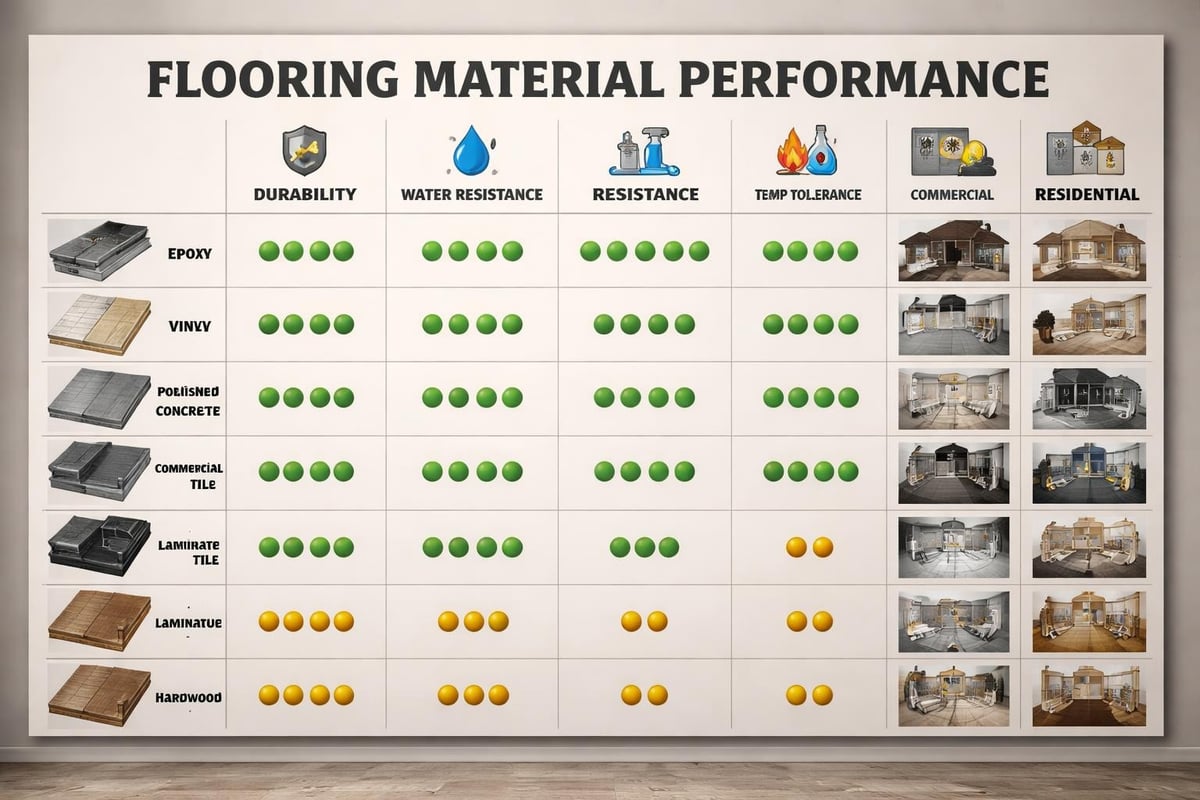
Material science plays a crucial role in determining flooring longevity and suitability. Porcelain tiles consist of refined clay fired at extremely high temperatures, creating a dense, water-resistant surface ideal for bathrooms and kitchens. These tiles demonstrate exceptional durability and stain resistance, making them suitable for high-moisture environments.
Modular flooring systems utilize advanced polymers engineered to withstand significant weight loads while maintaining dimensional stability across temperature fluctuations. These systems offer distinct advantages in garage and commercial settings where traditional tiles may crack under heavy rolling loads.
Evaluating Durability and Longevity Factors
Durability represents the most critical factor when selecting the best tiles and flooring for any application. Different environments impose varying stress levels on floor surfaces, requiring careful matching of material properties to usage demands.
| Flooring Type | Weight Capacity | Chemical Resistance | Lifespan | Best Application |
|---|---|---|---|---|
| Modular Tiles | Excellent (25+ tons) | Superior | 20+ years | Garages, workshops |
| Porcelain | Good (moderate) | Excellent | 15-20 years | Kitchens, bathrooms |
| Ceramic | Moderate | Good | 10-15 years | Residential floors |
| Vinyl Tile | Moderate | Good | 10-15 years | Commercial spaces |
| Natural Stone | Good | Variable | 20+ years | High-end residential |
Professional installations typically demonstrate longer service lives than DIY projects. The Swisstrax garage floor tiles collection showcases engineered solutions specifically designed for demanding automotive environments.
Impact Resistance and Load Distribution
Garage environments present unique challenges that standard residential flooring cannot adequately address. Vehicle traffic creates concentrated point loads that exceed typical foot traffic by orders of magnitude. The best tiles and flooring for these applications incorporate reinforced backing structures that distribute weight across broader surface areas.
Modular systems excel in this regard through their interlocking design, which transfers forces laterally across multiple tiles rather than concentrating stress on individual units. This engineering principle explains why Ribtrax Pro tiles perform exceptionally well under heavy vehicles while maintaining surface integrity.
Traditional ceramic and porcelain tiles may crack when subjected to the dynamic loads imposed by vehicle movement, particularly during turning maneuvers. Their rigid structure lacks the slight flexibility that allows modular systems to absorb and distribute impact forces effectively.
Installation Methods and Professional Considerations
Installation complexity directly affects long-term performance and overall project costs. Some flooring systems require specialized tools, adhesives, and substrate preparation, while others offer straightforward installation processes accessible to motivated homeowners.
Professional Installation Requirements
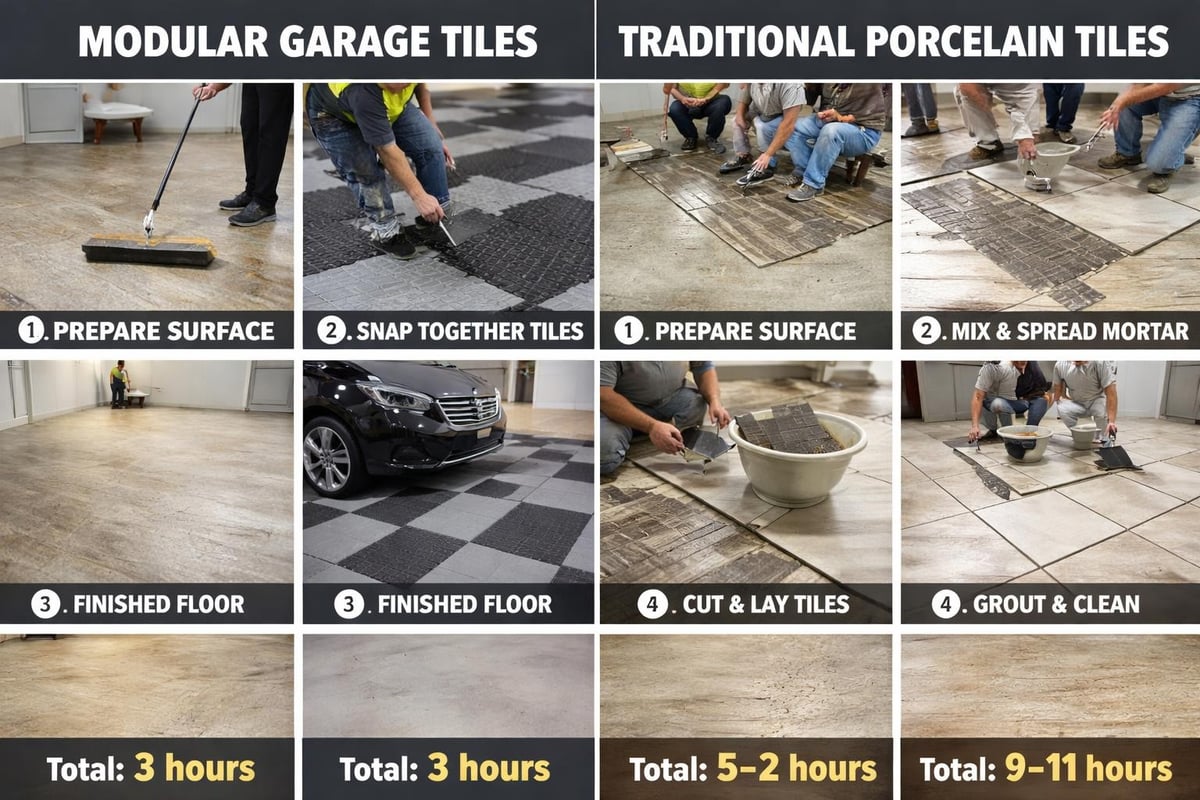
Porcelain and ceramic tile installation demands precise substrate preparation, appropriate adhesive selection, and proper grouting techniques. Uneven substrates telegraph through rigid tiles, creating visible imperfections and potential cracking points. Professional installers invest significant time in surface leveling and moisture barrier installation before placing tiles.
Leading flooring professionals emphasize the importance of proper underlayment selection based on subfloor composition and environmental conditions. Concrete substrates require different preparation protocols than wood subfloors, affecting both material costs and installation timelines.
Conversely, modular interlocking systems eliminate adhesive requirements and minimize substrate preparation needs. DIY installation approaches become viable options for homeowners seeking to reduce project costs while maintaining professional-grade results.
Time and Cost Considerations
Budget planning must account for both material and labor expenses when evaluating the best tiles and flooring options. Installation timelines vary dramatically across different systems:
- Surface preparation including cleaning, leveling, and moisture testing
- Material acclimation allowing flooring to adjust to ambient conditions
- Layout planning ensuring optimal pattern placement and minimal waste
- Installation execution following manufacturer specifications precisely
- Curing or settling periods before allowing full traffic loads
- Final finishing including edge treatments and surface sealing
Modular systems typically compress these phases into single-day installations, while traditional tile work may span several days accounting for adhesive curing and grout setting times.
Maintenance Requirements and Long-Term Care
Ongoing maintenance demands significantly impact total ownership costs over a flooring system's lifespan. The best tiles and flooring solutions balance initial investment against long-term care requirements, creating favorable cost-benefit ratios.
Different materials impose varying cleaning protocols and maintenance schedules. Understanding these requirements before purchase prevents unexpected expenses and ensures your flooring maintains its appearance throughout its service life.
Daily and Routine Cleaning Protocols
Modular garage tiles require minimal maintenance beyond regular sweeping and occasional mopping with mild detergents. Their textured surfaces provide traction while resisting stain penetration, and the elevated design allows debris to fall through gaps for easy removal.
Porcelain tiles demand more frequent attention to grout lines, which accumulate dirt and may require periodic sealing. Innovative flooring products highlighted in industry publications increasingly incorporate antimicrobial properties and stain-resistant finishes that reduce maintenance burdens.
Vinyl flooring systems offer easy cleaning but may require periodic refinishing to maintain their protective wear layers. Commercial applications subject to heavy traffic typically schedule annual or biannual maintenance interventions.
Chemical Resistance and Stain Prevention
Garage and workshop environments expose flooring to automotive fluids, cleaning chemicals, and other potentially damaging substances. The best tiles and flooring for these applications demonstrate superior chemical resistance that prevents permanent staining and surface degradation.
Testing different flooring materials against common garage chemicals reveals significant performance variations:
- Motor oil and transmission fluid
- Brake fluid and coolants
- Battery acid and cleaning solvents
- Road salt and de-icing compounds
- Paint thinners and petroleum products
VinylTrax Pro flooring incorporates advanced polymer formulations specifically engineered to resist these chemical exposures while maintaining surface integrity and appearance.
Aesthetic Design Options and Customization
Visual appeal influences flooring selection nearly as significantly as functional performance. Modern manufacturing techniques enable extensive customization options across all flooring categories, allowing property owners to achieve their desired aesthetic vision.
The best tiles and flooring systems offer diverse color palettes, patterns, and textures that complement existing architectural elements. Matching flooring to overall design themes creates cohesive spaces that enhance property values and user satisfaction.
Color Selections and Pattern Possibilities
Standard color offerings provide foundational choices, while specialty colors enable distinctive design statements. Ribtrax Pro specialty colors expand beyond traditional garage gray, incorporating vibrant hues that transform functional spaces into showcases.
Pattern options range from simple solid colors to complex multicolor designs incorporating:
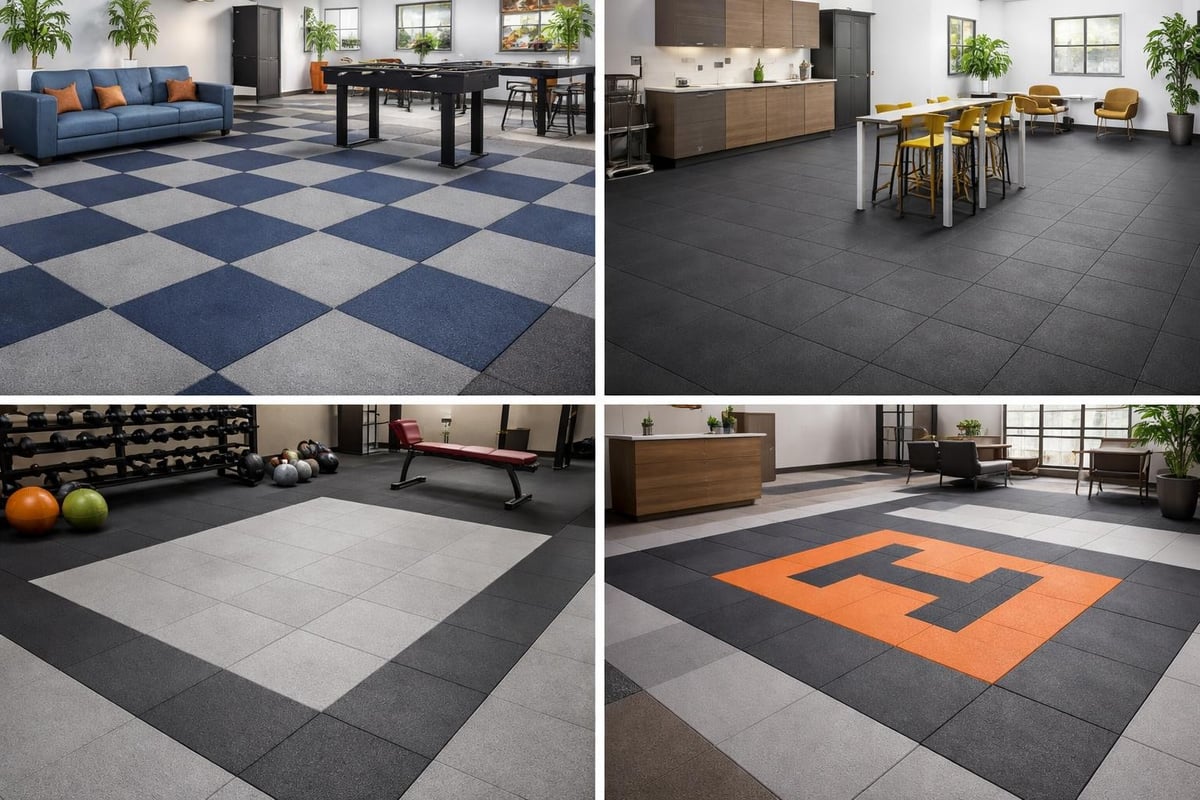
- Checkerboard layouts creating classic racing aesthetics
- Border accents defining specific zones within larger spaces
- Custom logos and graphics personalizing commercial installations
- Gradient transitions blending multiple colors seamlessly
- Geometric patterns adding visual interest to plain surfaces
Custom logo integration services enable businesses to reinforce branding through floor graphics that withstand traffic while maintaining sharp visual details.
Texture Variations and Slip Resistance
Surface texture affects both safety and aesthetics. Smooth finishes create sleek, contemporary appearances but may become slippery when wet. Textured surfaces provide superior traction while potentially harboring more dirt in their recessed areas.
Ribtrax Smooth Pro options balance these considerations through carefully engineered surface profiles that maintain traction while facilitating easy cleaning. The best tiles and flooring strike optimal balances between safety requirements and maintenance practicality.
Application-Specific Flooring Solutions
Different spaces impose unique requirements that favor particular flooring types. Residential garages demand different performance characteristics than commercial showrooms, while home gyms require specialized properties distinct from workshop environments.
Residential Garage Flooring Requirements
Home garages serve multiple functions beyond vehicle storage. These spaces increasingly accommodate workshops, storage areas, and recreational zones requiring flooring that adapts to diverse uses. The best tiles and flooring for residential garages must withstand:
Vehicle loads from daily drivers, motorcycles, and recreational equipment without surface damage or permanent indentation. Weight distribution becomes critical when parking heavy trucks or storing classic cars long-term.
Temperature fluctuations that occur in unheated spaces experiencing seasonal extremes. Materials must resist brittleness in winter cold and softening during summer heat while maintaining dimensional stability.
Moisture management from tracked-in snow, rain, and humidity preventing mold growth and surface deterioration. Proper drainage features allow liquids to evacuate efficiently.
Exploring various garage flooring options reveals how different systems address these specific challenges through targeted engineering solutions.
Commercial and Industrial Applications
Commercial environments impose amplified stress levels requiring industrial-grade flooring solutions. Showrooms combine aesthetic demands with practical durability needs, while manufacturing spaces prioritize chemical resistance and easy maintenance.
Loading docks and warehouse areas experience forklift traffic that generates extreme point loads and abrasion. Traditional tiles typically fail quickly under these conditions, while properly engineered modular systems distribute forces effectively across their interlocking structure.
Professional installation services ensure commercial projects meet specific building codes and safety requirements while minimizing business disruption during installation.
Comparing Value Propositions and ROI
Cost analysis extends beyond initial purchase prices to encompass installation expenses, maintenance requirements, and expected service life. The best tiles and flooring deliver superior value propositions when evaluated across complete ownership lifecycles.
| Cost Factor | Modular Tiles | Porcelain Tile | Vinyl Tile | Epoxy Coating |
|---|---|---|---|---|
| Material Cost (per sq ft) | $$$ | $$ | $$ | $ |
| Installation Cost | Low (DIY) | High | Medium | Medium |
| Annual Maintenance | Minimal | Moderate | Moderate | High |
| Replacement/Repair | Individual tiles | Section replacement | Section replacement | Complete reapplication |
| 20-Year Total Cost | Medium | Medium-High | Medium | High |
This analysis demonstrates how lower installation costs and minimal maintenance requirements offset higher initial material expenses for modular systems. Consumer reviews and brand comparisons provide additional insights into long-term satisfaction and performance reliability.
Hidden Costs and Unexpected Expenses
Substrate preparation often represents underestimated expense categories. Concrete grinding, crack repair, and moisture mitigation add significantly to traditional tile installation budgets. Modular systems typically accommodate minor surface imperfections without extensive preparation, reducing these hidden costs.
Replacement scenarios favor modular designs that allow individual tile swapping without disturbing surrounding areas. Damaged porcelain tiles require removal of multiple units and careful matching of discontinued patterns, potentially necessitating complete room refinishing.
Environmental Considerations and Sustainability
Environmental impact increasingly influences purchasing decisions as consumers prioritize sustainable products and manufacturing practices. The best tiles and flooring options incorporate recycled materials, minimize waste, and support healthy indoor air quality.
Manufacturing processes vary dramatically in their environmental footprints. Energy-intensive ceramic firing generates significant carbon emissions, while polymer extrusion typically requires less energy input. Transportation distances and packaging materials further affect overall environmental impact.
Recyclability and End-of-Life Disposal
Modular systems designed for disassembly and reinstallation offer compelling sustainability advantages. These products can be removed, relocated to new spaces, or recycled at end of life rather than contributing to landfill waste. Individual damaged tiles undergo replacement without discarding entire installations.
Ceramic and porcelain tiles resist degradation but become permanent waste when removed, lacking practical recycling pathways for mixed-composition materials. Their durability provides environmental benefits through extended service life despite disposal challenges.
Indoor Air Quality and VOC Emissions
Flooring materials and installation adhesives potentially release volatile organic compounds that degrade indoor air quality. Solvent-based adhesives emit significant VOCs during application and curing periods, while modular systems requiring no adhesives eliminate these concerns entirely.
Low-VOC and zero-VOC product certifications guide environmentally conscious selections. Third-party testing and certification programs verify manufacturer claims, providing confidence in product environmental performance.
Specialized Features and Advanced Technologies
Innovation continues driving flooring evolution with advanced features addressing specific user needs. Anti-fatigue properties, thermal insulation, sound dampening, and custom drainage integration represent specialized capabilities available in premium products.
Comfort and Ergonomic Benefits
Standing on hard surfaces for extended periods causes fatigue and discomfort. Workshop environments and showrooms benefit from flooring that provides slight cushioning without sacrificing stability. Modular tiles with air gaps beneath their surface create subtle spring that reduces leg and back strain during prolonged standing.
Thermal properties affect comfort in unheated spaces. Cold concrete conducts heat away from feet, creating uncomfortable working conditions. Insulative flooring materials maintain warmer surface temperatures, improving comfort during winter months.
Drainage and Moisture Management Systems
Wet environments require specialized drainage features preventing standing water accumulation. Open-grid tile designs allow liquid passage to underlying substrate where proper sloping directs moisture toward drains. This capability proves essential in car wash bays, kennels, and locker room applications.
Raised flooring profiles elevate walking surfaces above moisture while permitting airflow that accelerates drying. This design prevents mold growth and odor development in consistently damp environments.
Planning and Design Tools for Project Success
Successful flooring projects begin with accurate planning and design visualization. Modern digital tools enable precise material estimation and virtual preview of finished installations before committing to purchases.
Calculation and Estimation Resources
Accurate square footage calculations prevent material shortages and excessive waste. Room irregularities, obstacles, and installation pattern choices affect required quantities. Tile calculator tools account for these variables, generating precise material lists.
Waste factors vary by installation method and installer experience. Professional installers typically order five to ten percent overage for cuts and breakage. Complex patterns with diagonal orientations increase waste percentages compared to straightforward grid layouts.
Visualization and Design Software
Three-dimensional design tools enable virtual experimentation with color combinations, patterns, and layouts before purchase. These visualization capabilities prevent costly mistakes and ensure final installations match expectations.
Digital mockups facilitate communication between property owners and installers, establishing clear expectations and reducing misunderstandings. Viewing proposed designs in realistic renderings builds confidence in color selections and pattern choices.
Reviewing completed installation galleries provides inspiration and demonstrates real-world applications of different design approaches. Seeing similar spaces helps identify which aesthetic directions align with personal preferences.
Quality Assurance and Warranty Protection
Manufacturer warranties protect against defects and premature failures, providing peace of mind for significant investments. The best tiles and flooring come backed by comprehensive coverage reflecting manufacturer confidence in product durability.
Warranty terms vary considerably across products and manufacturers. Understanding coverage specifics, exclusions, and claim procedures ensures you receive promised protection. Some warranties cover materials only, while others include installation labor for specified periods.
Comprehensive warranty information should detail coverage duration, transferability, and specific protected conditions. Premium products typically offer extended coverage periods reflecting superior quality standards and expected longevity.
Exclusions and Maintenance Requirements
Warranty coverage often depends on proper installation and ongoing maintenance. Failure to follow manufacturer care instructions may void protection. Chemical exposure limitations, acceptable cleaning agents, and prohibited uses require careful review before purchase.
Understanding warranty exclusions prevents surprises when filing claims. Normal wear, improper use, and environmental damage typically fall outside coverage parameters. Documenting installation procedures and maintenance activities supports potential future claims.
Selecting the best tiles and flooring transforms spaces through improved functionality, enhanced aesthetics, and increased property value. Modern modular solutions offer compelling advantages in durability, ease of installation, and long-term value for garage and commercial applications. Whether you're upgrading a residential garage or outfitting a commercial showroom, Elite Modular Flooring provides expert guidance and professional installation services to ensure your project exceeds expectations.

