

Floor Tiles for Home Gym: Complete 2026 Guide

Building a home gym requires careful consideration of every component, from equipment selection to spatial layout. However, one element that significantly impacts both safety and performance often gets overlooked until the final stages: flooring. The right floor tiles for home gym installations provide essential protection for your subfloor, reduce injury risk, dampen noise, and create a professional training environment that motivates consistent workouts. Whether you're installing a single weightlifting platform or outfitting an entire basement fitness center, understanding the critical role of specialized flooring transforms your investment from adequate to exceptional.
Why Specialized Flooring Matters for Home Gyms
Standard residential flooring simply cannot withstand the rigorous demands of fitness training. Dropped weights, heavy equipment, and repetitive high-impact movements create forces that damage conventional surfaces within months.
Protection Against Impact Damage
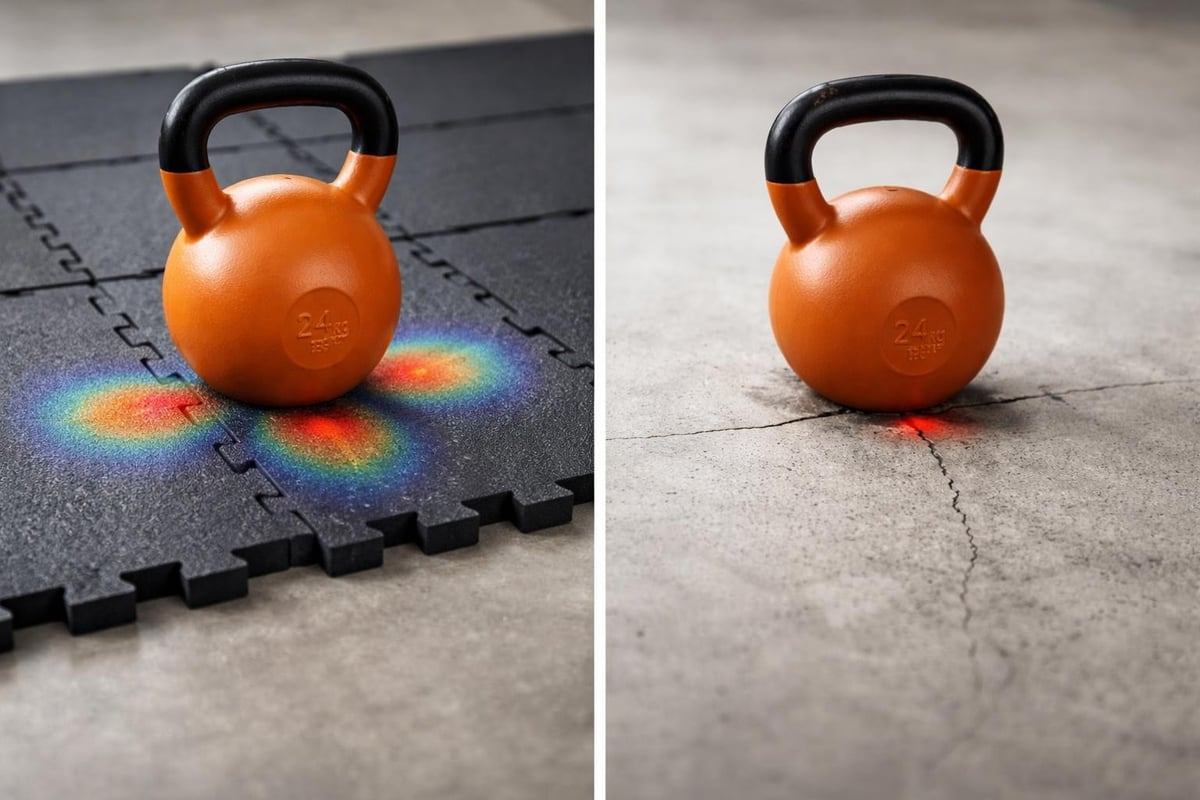
The primary function of floor tiles for home gym spaces centers on protecting your underlying concrete or subfloor from catastrophic damage. A single dropped dumbbell can crack concrete, splinter wood, or shatter ceramic tiles. Quality modular flooring systems absorb these impacts through engineered designs that distribute force across multiple tiles rather than concentrating it at a single point.
Key protection benefits include:
- Prevention of concrete cracking and chipping
- Subfloor preservation from moisture and temperature fluctuations
- Equipment protection through shock absorption
- Reduced maintenance costs over the facility's lifetime
Safety and Injury Prevention
Proper gym flooring directly correlates with reduced injury rates. Active.com explores various home gym flooring options, emphasizing factors like slip resistance and impact absorption that protect athletes during intense training sessions.
The surface texture prevents slipping during cardiovascular exercises, while cushioning properties reduce joint stress during plyometric movements. This becomes particularly important for aging fitness enthusiasts who need additional joint protection without sacrificing workout intensity.
Material Considerations for Gym Floor Tiles
Selecting appropriate materials requires understanding how different compositions perform under specific training conditions. The flooring industry offers numerous options, but not all materials deliver equivalent performance or longevity.
Modular Polypropylene Systems
Premium polypropylene tiles represent the gold standard for serious home gym installations. Swisstrax manufactures the only interlocking tiles using a four-point injection molding process, which eliminates air pockets during production and creates substantially stronger tiles than cheaper alternatives.
This manufacturing superiority matters tremendously. Imitation tiles imported from China may appear similar superficially, but they lack the structural integrity and quality control that distinguish genuine Swisstrax products. These knockoffs frequently crack under moderate loads, fade rapidly under UV exposure, and fail to maintain their interlocking connections over time.
| Feature | Swisstrax Polypropylene | Chinese Imitations |
|---|---|---|
| Injection Points | Four-point system | Single or dual point |
| Load Capacity | Up to 70,000 lbs/sqft | Significantly lower |
| UV Resistance | Excellent (minimal fading) | Poor (rapid color degradation) |
| Warranty Coverage | Comprehensive manufacturer backing | Limited or none |
| Lifespan | 25+ years typical | 3-5 years before failure |
Rubber Matting Alternatives
While rubber matting serves specific purposes, it presents significant disadvantages for comprehensive gym installations. Rubber degrades over time, releasing unpleasant odors and potentially harmful VOCs into your training environment. The material also traps moisture underneath, creating ideal conditions for mold growth and subfloor deterioration.
The Garage Floor Tile Company's buyer's guide outlines these considerations, helping readers understand why modular tile systems provide superior long-term value despite higher initial investment.
Thickness and Density Requirements
Floor tile thickness directly impacts performance characteristics, particularly shock absorption and noise reduction. Understanding these relationships helps you select appropriate specifications for your training style.
Standard Thickness Guidelines
Most home gym applications benefit from tiles measuring between 15mm and 20mm thick. This range provides optimal balance between impact protection and stability for standard equipment.
Thickness recommendations by activity:
- Cardio and light resistance (15mm): Adequate for treadmills, ellipticals, and bodyweight exercises
- Free weights and dumbbells (18mm): Recommended minimum for dropping weights up to 50 pounds
- Olympic lifting and heavy powerlifting (20mm+): Essential for maximum protection during intense training
Thicker tiles don't automatically guarantee better performance. The manufacturing process and material quality determine load-bearing capacity more than raw thickness. Swisstrax tiles at 18mm outperform many competitor products at 25mm due to superior engineering and polymer quality.
Density and Load Distribution
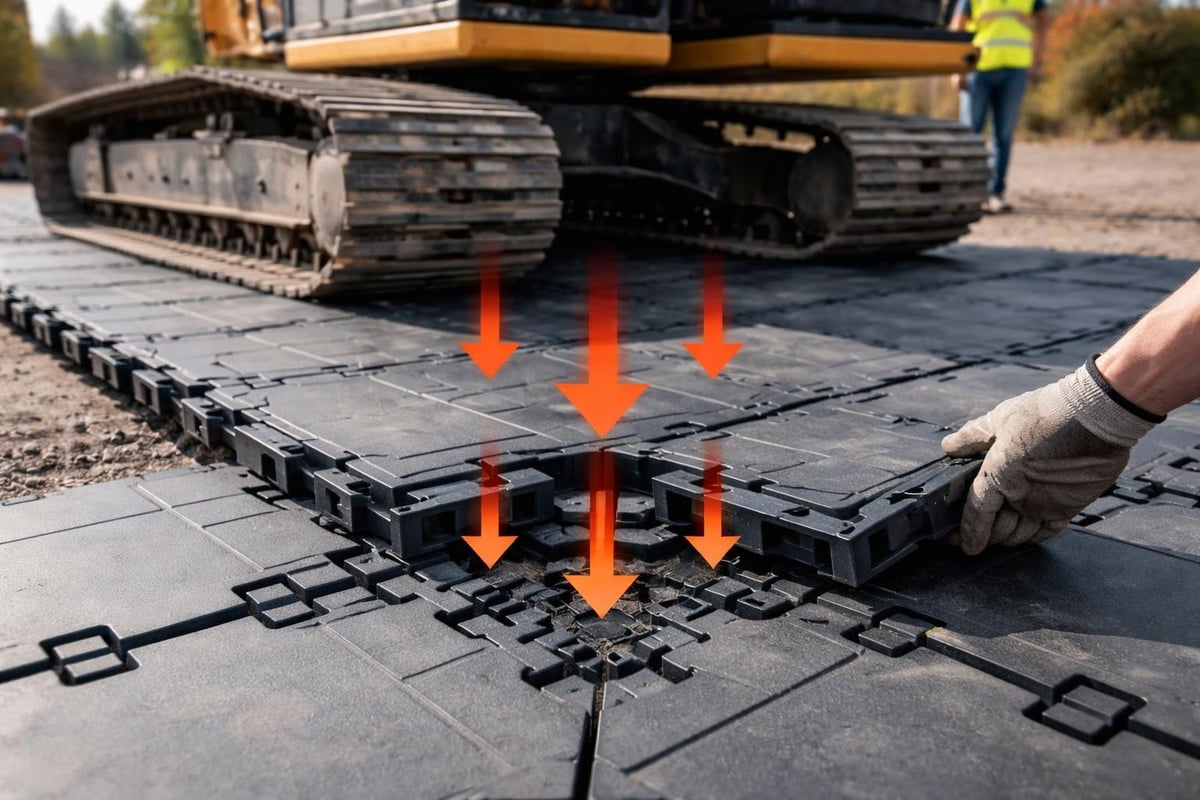
The density of floor tiles for home gym installations affects how effectively they distribute weight across the surface. High-density polypropylene maintains its shape under sustained pressure from heavy equipment, preventing permanent indentations that create uneven surfaces.
Origin Fitness's comprehensive flooring guide details how proper density specifications ensure stability during dynamic movements. Low-density materials compress excessively, creating unstable platforms that compromise exercise form and increase injury risk.
Design Patterns and Aesthetic Options
Functionality drives flooring selection, but aesthetic considerations significantly impact motivation and enjoyment. Modern modular systems offer extensive customization options that transform utilitarian spaces into inspiring training environments.
Surface Texture Varieties
Different surface patterns serve distinct functional purposes while contributing unique visual character. The Swisstrax tile collection includes multiple texture options engineered for specific applications.
Popular surface patterns include:
- Ribbed channels: Excellent drainage capabilities, ideal for high-moisture environments
- Smooth surfaces: Easy cleaning, professional appearance suitable for multi-purpose spaces
- Diamond plate textures: Enhanced traction for cardio zones and stretching areas
- Coin top patterns: Classic gym aesthetic with reliable grip properties
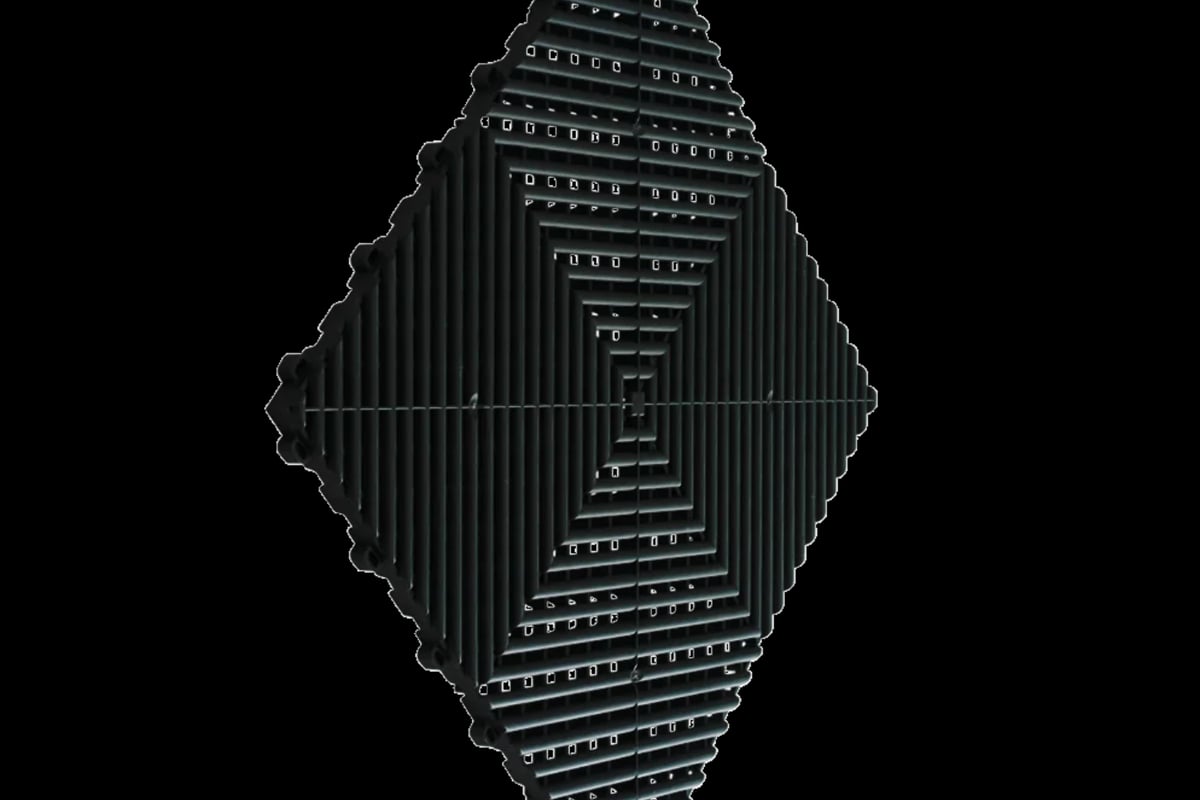
The Ribtrax Pro tile features a revolutionary channel system that allows debris, moisture, and chalk dust to drain underneath the surface, making maintenance remarkably simple. This design innovation represents the type of engineering excellence that separates authentic Swisstrax products from superficial imitations.
Color Coordination and Branding
Strategic color selection creates visual interest while serving practical purposes. Contrasting colors delineate different training zones, improving organization and workflow efficiency. Many fitness enthusiasts incorporate their favorite sports teams' colors or create sophisticated monochromatic schemes that complement their home's overall design aesthetic.
| Color Strategy | Application | Visual Impact |
|---|---|---|
| Monochromatic | Sleek, professional appearance | Modern, sophisticated |
| Two-tone checkerboard | Classic gym aesthetic | Energetic, traditional |
| Zone demarcation | Different colors for cardio, weights, stretching | Organized, functional |
| Custom logos | Personal branding or team affiliation | Unique, personalized |
You can visualize different configurations using the 3D floor designer tool before committing to your final layout, ensuring perfect alignment with your vision.
Installation Methods and Considerations
The installation process for floor tiles for home gym applications varies dramatically based on product quality and design sophistication. Understanding these differences helps you avoid costly mistakes and ensures optimal long-term performance.
DIY Installation Feasibility
Genuine Swisstrax tiles feature precision-engineered interlocking connections that enable straightforward DIY installation for homeowners with basic skills. The tiles simply snap together without requiring adhesives, specialized tools, or professional expertise. This contrasts sharply with epoxy coatings or rubber roll systems that demand professional application.
Elite Modular Flooring's DIY installation guide provides step-by-step instructions that empower confident self-installation. The process typically involves:
- Measuring and planning your layout
- Cleaning and preparing the subfloor surface
- Starting from one corner and working systematically across the room
- Installing edge ramps and corner pieces for finished appearance
- Making any necessary cuts for obstacles or irregular spaces
Professional Installation Benefits
While DIY installation proves entirely feasible, professional installation guarantees perfect results and saves considerable time. Experienced installers understand nuanced techniques for handling challenging layouts, ensuring tiles seat properly, and creating flawless transitions around architectural features.
Professional installation becomes particularly valuable for large spaces, complex patterns, or situations where precision matters for commercial-grade results. The investment typically pays dividends through enhanced appearance and optimal performance characteristics.
Maintenance and Longevity Factors
Floor tiles for home gym environments must withstand years of intensive use while maintaining their appearance and functional properties. Proper maintenance practices and inherent product quality determine whether your flooring investment delivers decades of service or requires premature replacement.
Cleaning and Upkeep Requirements
Swisstrax modular tiles require minimal maintenance compared to alternative flooring systems. The non-porous polypropylene surface resists staining and prevents bacterial growth, making it inherently more hygienic than porous rubber alternatives.
Basic maintenance protocol:
- Sweep or vacuum regularly to remove dust and debris
- Mop with mild detergent solution as needed
- Spot clean equipment marks immediately
- Allow proper air circulation to prevent moisture accumulation
- Inspect interlocking connections periodically
The elevated channel design in Ribtrax tiles allows dirt and moisture to settle beneath the walking surface, preventing accumulation in high-traffic areas. This engineering feature dramatically reduces cleaning frequency while maintaining a pristine appearance. For comprehensive gym installations, the Ribtrax Pro in standard colours delivers exceptional durability combined with easy maintenance that keeps your training space looking professional year after year.
Expected Lifespan and Warranty Coverage
Authentic Swisstrax flooring systems routinely exceed 25 years of service life under normal residential use. This remarkable longevity stems from superior materials, advanced manufacturing processes, and engineering excellence that cheap imitations cannot replicate.
Compare this to rubber matting that degrades within five to seven years, or epoxy coatings that require reapplication every three to five years. The total cost of ownership favors premium modular systems despite higher upfront investment. Understanding warranty exclusions helps you maintain coverage throughout your floor's service life.
Acoustic Properties and Noise Reduction
Sound transmission creates significant challenges for home gym installations, particularly in multi-level homes or attached properties. Effective noise control protects household harmony and maintains positive neighbor relations.
Impact Sound Transmission
Dropped weights generate substantial acoustic energy that transmits through building structures. Quality floor tiles for home gym installations dramatically reduce this transmission through multiple mechanisms.
The material composition absorbs initial impact energy, while the elevated tile design creates an air gap that disrupts vibration transmission pathways. Slip-Not's comprehensive flooring guide explains how proper flooring thickness and density specifications optimize acoustic performance for different exercise types.
Vibration Dampening
Equipment vibration during cardio exercise creates persistent low-frequency noise that penetrates walls and floors effectively. Modular tiles decouple equipment from the subfloor, interrupting vibration transmission and significantly reducing disturbance to adjacent spaces.
This becomes particularly important for apartment dwellers or homeowners with bedrooms located near their gym. The investment in proper flooring often means the difference between workouts at any hour versus restricted training schedules that accommodate household members.
Cost Analysis and Investment Considerations
Understanding the true cost of floor tiles for home gym projects requires looking beyond initial purchase prices to examine total lifetime value. This comprehensive perspective reveals why premium products deliver superior return on investment.
Initial Investment Breakdown
Quality modular flooring systems represent significant upfront investment, typically ranging from £30 to £60 per square meter depending on tile style and color selection. This pricing reflects genuine manufacturing quality, not inflated margins.
| Cost Component | Budget Options | Premium Swisstrax |
|---|---|---|
| Material cost per sqm | £15-£25 | £30-£60 |
| Expected lifespan | 3-5 years | 25+ years |
| Annual cost (amortized) | £5-£8 per sqm | £1.20-£2.40 per sqm |
| Replacement frequency | Multiple times | Once (potentially lifetime) |
Chinese imitations may cost 40-50% less initially, but their dramatically shorter lifespan and inferior performance result in substantially higher lifetime costs through repeated replacement cycles.
Long-Term Value Proposition
Premium flooring systems protect your underlying subfloor investment, preventing damage that could cost thousands to repair. They maintain equipment value through proper support and protection. Most importantly, they create training environments that encourage consistent use, maximizing the value of your entire gym investment.
Comparing various garage flooring options reveals why modular systems outperform alternatives like epoxy coatings for multi-purpose spaces. The removability and portability of tile systems adds tremendous value if you relocate or reconfigure your training area.
Subfloor Compatibility and Preparation
Proper subfloor preparation ensures optimal performance from floor tiles for home gym installations. Understanding compatibility requirements prevents installation problems and maximizes longevity.
Concrete Subfloor Requirements
Concrete represents the ideal substrate for modular gym flooring. The surface should be clean, dry, and relatively level, though minor imperfections won't affect performance. Swisstrax tiles accommodate irregularities up to 5mm without compromising the interlock or creating trip hazards.
Preparation steps for concrete subfloors:
- Remove all debris, dust, and loose material
- Repair significant cracks or spalls
- Allow new concrete to cure fully (minimum 28 days)
- Test moisture levels if basement or ground-level installation
- Apply concrete sealer if moisture concerns exist
The elevated tile design creates natural air circulation that prevents moisture accumulation, making these systems suitable even for slightly damp basement environments where rubber matting would fail.
Wood and Alternative Substrates
While less common for gym applications, wood subfloors also accommodate modular tile systems effectively. The floating installation doesn't require fasteners that would compromise the structural integrity of wood joists or decking.
Ensure wood subfloors are structurally sound and properly supported for equipment loads. Additional reinforcement may be necessary under heavy rack systems or platforms. Consult structural engineers for loads exceeding residential design parameters.
Temperature and Environmental Resilience
Home gym environments experience temperature fluctuations and humidity variations that challenge inferior flooring materials. Premium systems maintain performance across environmental extremes.
Thermal Expansion Properties
Polypropylene exhibits minimal thermal expansion compared to materials like PVC or rubber. This stability prevents buckling during temperature increases and gap formation during cooling cycles. Swisstrax tiles maintain consistent fit and appearance from freezing temperatures to 60°C, accommodating unheated garage gyms and climate-controlled basement installations equally well.
Moisture and Chemical Resistance
Genuine Swisstrax tiles resist moisture penetration completely, preventing mold growth, odor development, and material degradation. The non-porous surface also resists common gym chemicals including disinfectants, chalk, and equipment lubricants.
This chemical resistance matters tremendously for long-term appearance and hygiene. Cheaper materials absorb spills, creating permanent staining and harboring bacteria despite regular cleaning efforts.
Comparing Tiles to Alternative Flooring Systems
Understanding how floor tiles for home gym applications stack up against competing systems helps you make informed decisions based on your specific requirements and priorities.
Modular Tiles Versus Rubber Rolls
Rubber rolls offer lower initial cost but present numerous disadvantages. Installation requires adhesive application, creating permanent commitment to layout decisions. Rubber degrades over time, releasing odors and losing cushioning properties. Removal damages subfloors and creates disposal challenges.
This detailed video comparison explores these tradeoffs visually, demonstrating installation differences and performance characteristics across various flooring types.
Modular tiles install without adhesives, reconfigure easily, and relocate completely when you move. The superior engineering and material quality justify the price premium for serious fitness enthusiasts planning long-term use.
Tiles Versus Epoxy Coatings
Epoxy creates attractive, durable surfaces for showroom-quality garage gyms. However, the permanent nature limits flexibility, while the hard surface provides zero impact absorption. Dropped weights damage both the coating and the equipment, creating maintenance headaches.
Comparing tiles versus epoxy coatings reveals distinct use cases for each system. Epoxy excels for pure aesthetic applications, while tiles deliver superior functionality for active training environments.
Specialized Applications and Custom Solutions
Beyond standard gym installations, floor tiles for home gym spaces adapt to specialized requirements through thoughtful configuration and product selection.
Multi-Purpose Space Considerations
Many homeowners integrate gym functions into garages or basements that serve multiple purposes. Modular flooring systems excel in these applications through complete removability and reconfiguration capabilities.
You might install tiles only in active training zones while leaving vehicle parking areas uncovered. The interlocking design allows you to expand or contract the floored area as needs evolve without replacing the entire system.
Professional and Commercial Installations
The same technology that serves residential applications scales effectively for professional training facilities, physical therapy clinics, and commercial fitness centers. Swisstrax tiles meet commercial durability requirements while offering design flexibility impossible with poured or glued systems.
The professional installation service ensures commercial-grade results for facilities where appearance and performance directly impact business success and client satisfaction.
Edge Treatments and Finishing Details
Professional installations require proper edge treatments that create finished appearances and prevent tile migration during intense use.
Ramp Edge Options
Transitioning from flooring systems to bare subfloor creates trip hazards and allows tile movement. Swisstrax manufactures purpose-designed ramp edges that create smooth transitions while securing the tile perimeter.
Ramp edge varieties include:
- Pegged ramps that interlock directly with tile perimeter
- Looped ramps for alternative connection methods
- Corner pieces for 90-degree transitions
- Custom lengths to accommodate any installation size
These accessories integrate seamlessly with main tile systems, matching colors precisely and maintaining consistent quality standards throughout your installation.
Aesthetic Finishing Techniques
Beyond functional requirements, thoughtful finishing elevates installations from adequate to exceptional. Consider incorporating custom logo tiles that personalize your space or showcase your fitness brand if operating commercially.
Strategic accent colors create visual interest without overwhelming the space. Many successful installations feature neutral base colors with vibrant accent stripes or borders that energize the environment while maintaining professional appearance.
Selecting appropriate floor tiles for home gym installations represents a critical decision that impacts safety, performance, and enjoyment for decades. The superior engineering, manufacturing quality, and proven durability of Swisstrax systems justify their position as the industry standard, while cheap imitations inevitably disappoint through premature failure and substandard performance. Whether you're building a modest training area or outfitting a comprehensive fitness facility, Elite Modular Flooring provides expert guidance, professional 3D design services, and installation excellence that guarantees your flooring investment delivers maximum value throughout its exceptional service life.

