

Ultimate Guide to Tile Interlocking Flooring in 2026

Discover why tile interlocking flooring is revolutionizing homes and businesses as we look ahead to 2026. This ultimate guide reveals everything you need to know about this versatile solution, from its standout benefits and cutting-edge innovations to expert installation tips and future design trends.
Explore the latest in material choices, design flexibility, installation processes, maintenance routines, top industry brands, and what’s next for tile interlocking flooring. Ready to transform your space with confidence? Let’s dive into the details and unlock the full potential of your floors.
What is Tile Interlocking Flooring?
Tile interlocking flooring has become a preferred solution for modern spaces, offering unmatched versatility and ease of use. In this section, you will discover what sets tile interlocking flooring apart, how it works, and why it’s gaining popularity in both residential and commercial environments.
Definition and Core Concept
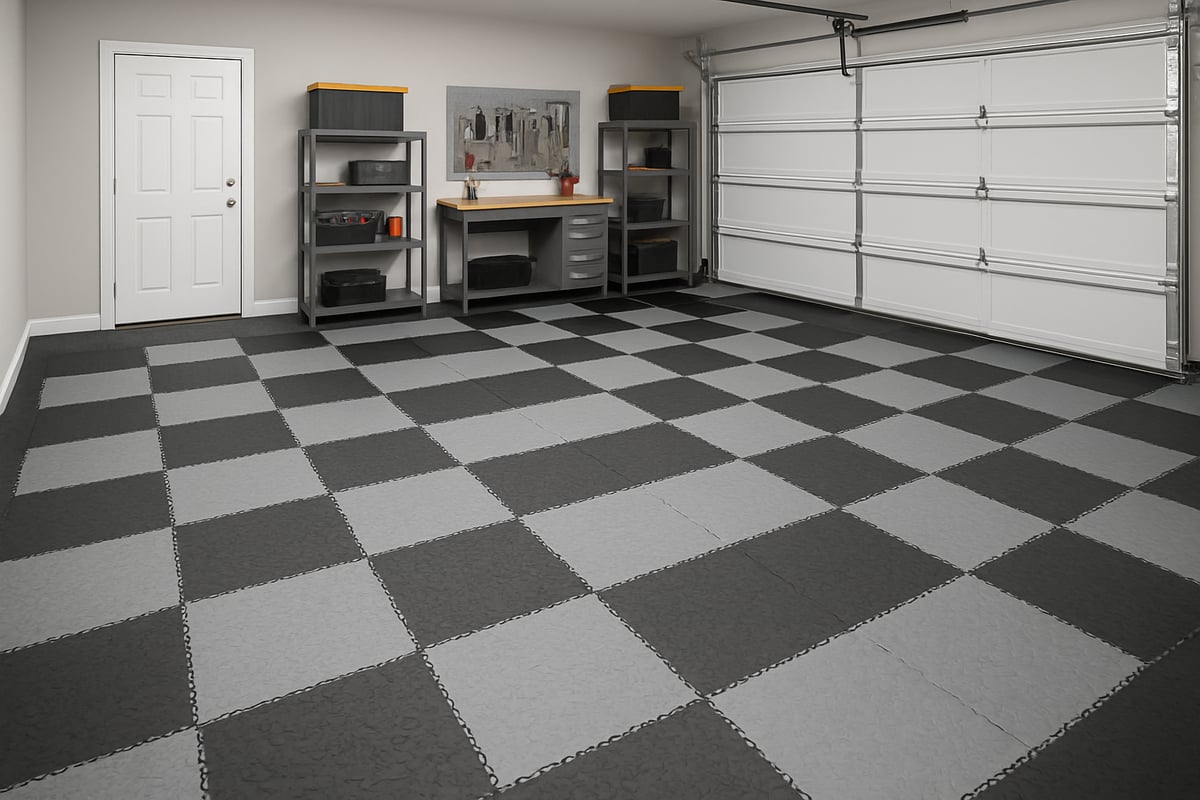
Tile interlocking flooring consists of modular tiles that securely connect using built-in mechanical locking systems. Unlike traditional flooring, which often requires adhesives or nails, these tiles fit together like puzzle pieces. The most common locking mechanisms include dovetail joints, puzzle locks, and snap-together edges, making installation straightforward for both professionals and DIY enthusiasts.
Material options are diverse. You can choose from rubber for comfort and slip resistance, PVC and vinyl for waterproof durability, or polypropylene for lightweight, UV-resistant needs. Composite options blend multiple materials to maximize performance. Modularity is a core feature of tile interlocking flooring, allowing you to create custom layouts and adapt to changing needs.
For example, Revolution Interlocking Flooring Tiles offer a seamless look, ramped edges for safety, and a floating installation method. This approach eliminates the need for adhesives, making the process cleaner and more efficient.
Advantages Over Traditional Flooring
The benefits of tile interlocking flooring stand out when compared to classic flooring solutions. Installation is fast and requires no specialized tools or adhesives, making it accessible for nearly any skill level. The floating design means you can lay the tiles over a variety of subfloors with minimal preparation.
Durability is a hallmark of this system. Tile interlocking flooring thrives in high-traffic areas, such as industrial settings, commercial spaces, and gyms. The tiles resist impacts, heavy loads, and wear, ensuring a long-lasting surface. Flexibility is another advantage. You can install the tiles as a temporary fix or a permanent upgrade, with easy removal and reconfiguration as needed.
A practical example is Gerflor Technical Tiles, which are widely used in warehouses and healthcare environments. These tiles enable rapid, robust upgrades without disrupting operations, delivering both resilience and efficiency.
Where and Why to Use Interlocking Tiles
Tile interlocking flooring is suitable for a wide range of applications. Common uses include garages, gyms, workshops, showrooms, basements, offices, and retail spaces. Its design makes it ideal for both new builds and renovations, adapting well to uneven subfloors and areas prone to moisture.
One of the primary reasons for choosing tile interlocking flooring is its adaptability. It can be installed over various surfaces, even where traditional flooring might struggle. In healthcare and industrial settings, these floors enhance safety and hygiene by providing easy-to-clean, non-porous surfaces.
If you’re considering a garage upgrade, explore the different garage flooring options explained to see how interlocking tiles can meet your specific needs. Their flexibility and performance make them a smart investment for diverse environments.
Materials, Types & Design Options in 2026
The world of tile interlocking flooring is evolving quickly, offering more choices and smarter solutions than ever before. As we look toward 2026, understanding the latest materials, sizes, finishes, and design trends is key to selecting the right system for your needs. Whether you are updating a commercial space or transforming a home gym, the right tile interlocking flooring can deliver both function and style.
Material Innovations and Comparisons
In 2026, tile interlocking flooring materials have grown more diverse and specialized. Rubber remains a top choice for its anti-fatigue properties and slip resistance, making it perfect for gyms and workshops. Many manufacturers now use reclaimed rubber, creating eco-friendly options like Revolution tiles that combine durability with sustainability.
PVC and vinyl are also gaining ground. They offer waterproof and chemical-resistant surfaces, making them suitable for healthcare, kitchens, and garages. With a wide range of colors and finishes, vinyl options are especially popular for their design flexibility. For a closer look at innovative vinyl solutions, see the Vinyltrax Pro Interlocking Tiles product line, which highlights both realistic wood and stone effects.
Polypropylene tiles stand out for their lightweight construction and UV resistance. These are ideal for outdoor spaces and areas exposed to direct sunlight. Composite and hybrid tiles blend the strengths of multiple materials, providing solutions that balance comfort, resilience, and easy maintenance.
Here’s a quick comparison of major materials:
| Material | Key Benefit | Best Use Cases | Eco-Friendly Option |
|---|---|---|---|
| Rubber | Anti-fatigue, slip resistant | Gyms, workshops | Reclaimed rubber |
| PVC/Vinyl | Waterproof, chemical proof | Garages, healthcare | Some recycled lines |
| Polypropylene | UV resistant, lightweight | Outdoors, patios | Limited |
| Composite/Hybrid | Multi-benefit | Mixed-use, commercial | Varies |
The expanding material choices in tile interlocking flooring open new possibilities for both performance and environmental responsibility.
Tile Sizes, Thicknesses, and Finishes
Another important consideration for tile interlocking flooring is the range of sizes, thicknesses, and finishes available. Standard sizes now include 12"x12", 18"x18", 24"x24", and large-format 36"x36" tiles. Larger tiles, like the 3ft x 3ft Revolution tiles, are especially popular for commercial and industrial settings as they speed up installation and create fewer seams.
Thickness typically ranges from 12mm to 16mm. Thicker tiles offer more comfort and durability, crucial for high-traffic areas or spaces where heavy equipment is used. The right thickness can also improve acoustics and insulation.
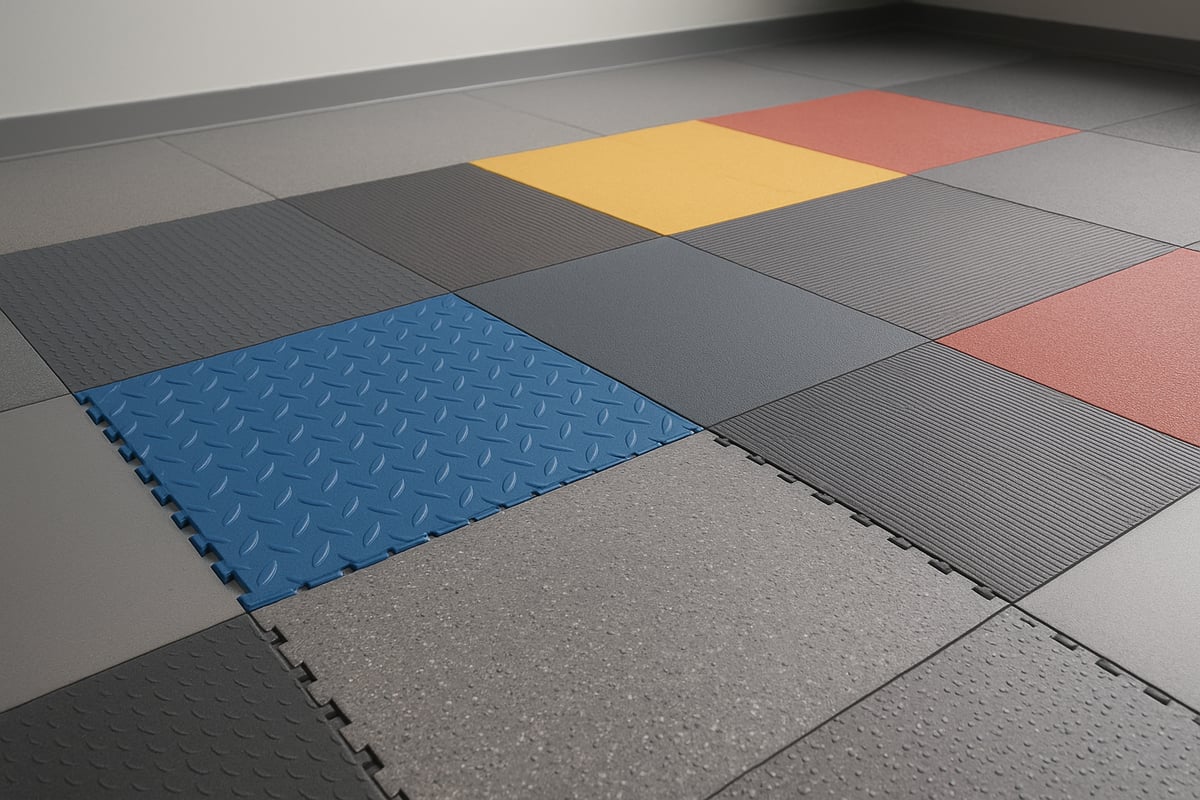
Surface finishes have also evolved. Choose from diamond plate for extra traction, smooth for a modern look, grooved for drainage, or speckled for added style. Color and pattern options have expanded significantly. You can select solid hues, speckled mixes, or even designer patterns. Gerflor’s range, for example, offers up to 48 color choices, making it easy to match your flooring with branding or interior design themes.
With such variety, tile interlocking flooring adapts seamlessly to both utility-driven and design-focused projects.
Design Trends for 2026
Looking ahead, the design trends for tile interlocking flooring in 2026 emphasize both aesthetics and technology. Neutral tones like greys and blacks remain favorites for their timeless appeal, while bold accent colors such as blue, yellow, and red are used to create visual interest or guide traffic flow in large spaces.
Seamless, professional looks are in high demand for commercial environments. Customization is also on the rise, with options to add logos, unique layouts, and even integrate smart features. Smart flooring technologies now include sensors for maintenance alerts and anti-static properties for sensitive electronics areas.
Specialized tiles, such as ESD (Electrostatic Discharge) flooring, are becoming essential in tech and cleanroom settings. These innovations ensure that tile interlocking flooring is not just functional but also future-ready, supporting both safety and creativity in any space.
Step-by-Step Installation Guide for Interlocking Tile Flooring
Installing tile interlocking flooring is a straightforward process that empowers professionals and DIY enthusiasts alike. With the right preparation and approach, you can achieve a seamless, durable surface that enhances any space. Below, discover how to prepare, install, and finish your new flooring with confidence.
Pre-Installation Preparation
Proper preparation is the foundation for a successful tile interlocking flooring project. Begin by assessing the condition of your subfloor. Remove debris, dust, or old adhesives to create a clean workspace. If you notice any uneven spots, use a leveling compound to smooth the area.
Next, acclimate your tile interlocking flooring tiles to the room’s temperature. Lay the unopened boxes flat in the installation area for at least 24 hours. This ensures the tiles adjust to ambient conditions, minimizing expansion or contraction after installation.
Planning your layout is essential. Measure the room’s dimensions and mark reference lines using a chalk line or laser level. Consider starting from the center for symmetrical spaces or from a corner for smaller rooms.
Gather the necessary tools:
| Tool | Purpose |
|---|---|
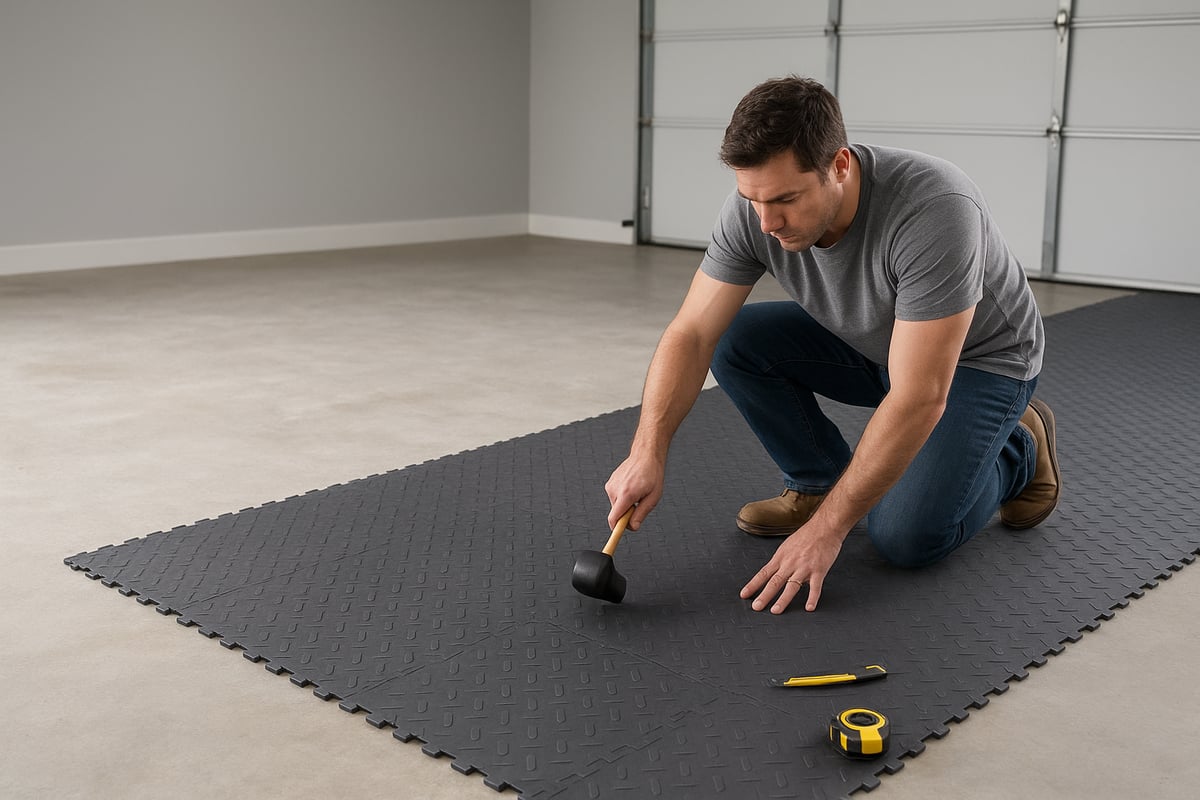
| Rubber mallet | Securing tile connections |
| Measuring tape | Accurate layout |
| Utility knife | Trimming tiles |
| Straight edge | Guiding clean cuts |
Careful planning streamlines the tile interlocking flooring process and reduces installation errors. Taking these steps now saves time and effort later.
Installation Process
Begin installation by placing your first tile at the chosen starting point. For large spaces, work outward from the center; for smaller or irregular rooms, start in a corner. Align each tile so the interlocking edges match. Firmly press or tap tiles together using a rubber mallet, ensuring a tight fit.
Continue adding tiles row by row, maintaining your planned pattern. When reaching walls or obstacles, measure and mark the tiles that need cutting. Use a utility knife and straight edge for clean, precise cuts. For areas with pipes or other irregular shapes, trace the outline onto the tile before trimming.
For accessibility, integrate ramped edge pieces at doorways or transitions. This not only provides a finished look but also reduces tripping hazards. If you need a more detailed walkthrough, the DIY Interlocking Tile Installation Guide offers helpful visual and step-by-step resources tailored for various settings.
A real-world example: installing tile interlocking flooring in a two-car garage typically takes just a few hours and requires no adhesives or specialized skills. The modular nature allows for quick adjustments or future expansions as needs change.
Post-Installation Tips
After installation, carefully inspect the entire surface for any gaps or misaligned tiles. Adjust as needed to ensure a seamless appearance. Allow the tile interlocking flooring to settle for several hours before placing heavy furniture or equipment on it.
Here are some best practices to maximize the longevity and flexibility of your floor:
- Periodically check for shifting, especially in high-traffic areas.
- If you notice any damaged tiles, replace them individually without disrupting the rest of the floor.
- For future layout changes, simply unlock and reposition tiles as needed.
User feedback from gyms and commercial spaces highlights how easy it is to maintain and reconfigure tile interlocking flooring. Owners appreciate the minimal downtime and the ability to adapt their floors for new layouts or purposes.
With these steps and strategies, your tile interlocking flooring will deliver both performance and visual appeal for years to come.
Maintenance, Cleaning & Longevity
Proper care ensures your tile interlocking flooring remains attractive and functional for years. Understanding the best cleaning routines, maintenance habits, durability expectations, and sustainability practices helps you maximize your investment and keep your space safe and hygienic.
Routine Cleaning Practices
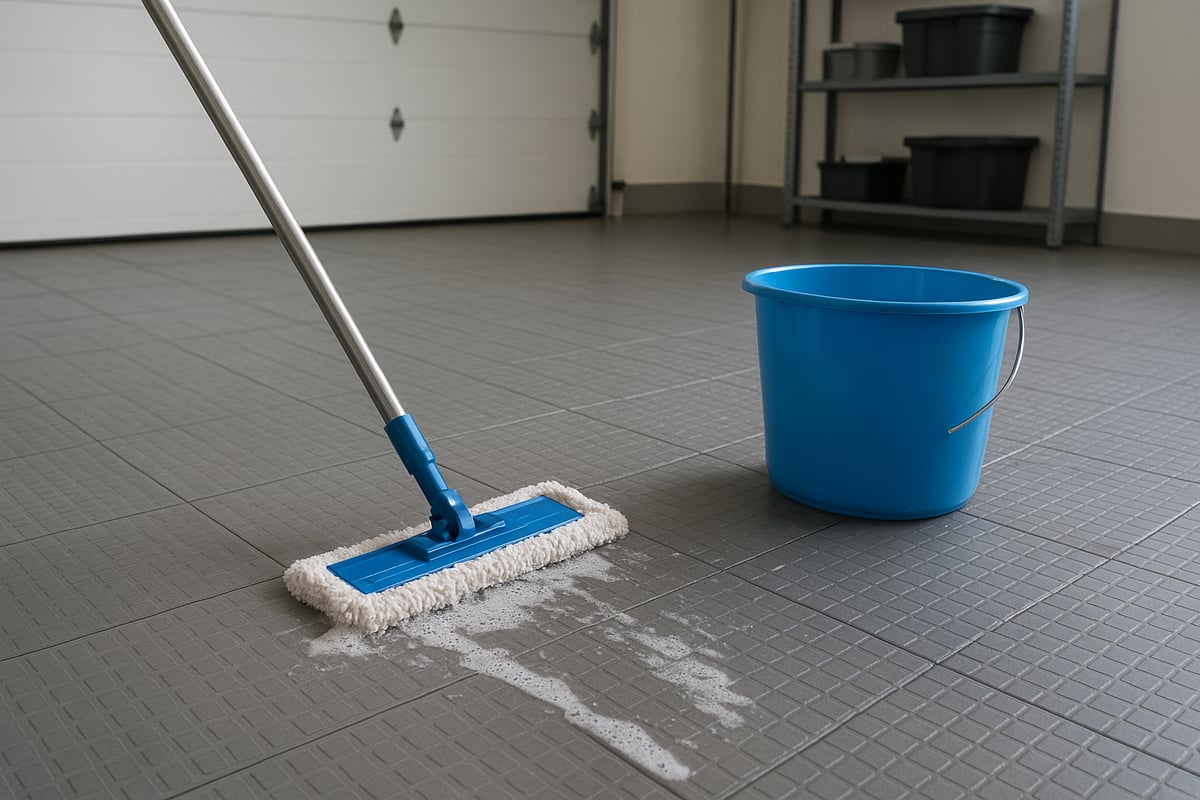
Routine cleaning is essential for tile interlocking flooring, no matter the material. For rubber tiles, sweep or vacuum debris daily, then mop with water and a mild detergent. PVC and vinyl tiles can handle damp mopping and non-abrasive cleaners. Polypropylene tiles, often used outdoors, require only a quick rinse or pressure wash for stubborn dirt.
- Avoid harsh chemicals that could degrade the tile surface.
- Address spills quickly to prevent staining or odor.
- Use soft-bristle brushes for textured finishes.
Consistent cleaning not only keeps tile interlocking flooring looking fresh but also preserves its slip resistance and safety features.
Maintenance Best Practices
Regular maintenance ensures tile interlocking flooring continues to perform in high-traffic areas. Inspect the floor periodically for shifting, wear, or damage. If a tile is scratched or cracked, simply lift and replace it—no need to redo the entire floor.
- Check ramps and transitions for secure placement.
- Tighten or realign tiles that may have moved.
- Schedule deeper cleaning every few months.
The modular nature of tile interlocking flooring makes upkeep cost-effective and minimizes downtime, making it ideal for both commercial and home environments.
Durability and Lifespan
One of the main advantages of tile interlocking flooring is its impressive durability. High-quality rubber, PVC, and vinyl tiles typically last 10 to 20 years, even under heavy loads and frequent foot traffic. These floors resist chemicals, moisture, and UV exposure, making them suitable for industrial, gym, and garage applications.
Industry studies, such as those highlighted in the Modular Flooring Market Overview, confirm the longevity and resilience of modern modular flooring solutions. Case studies in healthcare and industrial settings show minimal wear over many years of use.
Sustainability and Eco-Friendliness
Tile interlocking flooring is increasingly manufactured with sustainability in mind. Many brands use recycled materials, such as reclaimed rubber or post-consumer PVC. At the end of their lifespan, individual tiles can be removed and sent for recycling, supporting a circular economy.
- Look for certifications like LEED or GreenGuard.
- Choose flooring with eco-friendly production processes.
- Opt for tiles designed for reuse or repurposing.
By selecting sustainable tile interlocking flooring, you contribute to a healthier indoor environment and reduce your ecological footprint.
Top Brands and Products to Consider in 2026
Choosing the right tile interlocking flooring can make all the difference in performance and appearance. In 2026, the market offers a diverse range of innovative brands, each delivering unique strengths for various applications.
Leading Manufacturers and Offerings
Several top brands are driving the evolution of tile interlocking flooring in 2026. Gerflor leads with its Technical Tiles, GTI Max Connect, and Attraction series, known for robust performance in commercial and industrial environments. Their ESD flooring solutions are particularly valued in electronics and cleanroom settings.
Rubber-Cal’s Revolution Interlocking Flooring Tiles stand out for eco-friendly materials, anti-fatigue properties, and versatile applications across gyms, garages, and retail. Swisstrax is another major player, offering vibrant, modular designs ideal for garages, showrooms, and event spaces. You can explore the Swisstrax Garage Floor Tiles Collection to see a wide range of their top products and accessories.
Other notable brands like RaceDeck and ArmorLock are recognized for their innovation and reliability, delivering solutions that balance aesthetics with heavy-duty performance. The breadth of choices ensures tile interlocking flooring meets diverse needs in 2026.
Product Comparison and Selection Criteria
When comparing tile interlocking flooring products, several factors come into play. Price ranges vary based on material, thickness, and design, with brands like Rubber-Cal offering tiered pricing for bulk purchases. Product features such as tile thickness, surface texture, and color variety are critical for matching both functional and aesthetic requirements.
Availability is another key consideration. Many brands now offer quick ship and local inventory programs, ensuring faster project turnaround. For example, Gerflor’s 25"x25" tiles are popular in commercial and industrial settings due to their easy installation and broad color palette.
Below is a summary of comparison points:
| Brand | Key Feature | Size Options | Application |
|---|---|---|---|
| Gerflor | ESD, durability | 25"x25", more | Industrial, labs |
| Rubber-Cal | Eco-friendly, comfort | 3ft x 3ft | Gyms, retail |
| Swisstrax | Modular, colorful | 12"x12", 18"x18" | Garages, events |
Selecting the right tile interlocking flooring involves balancing these criteria with budget and project needs.
How to Choose the Right Product
Selecting tile interlocking flooring starts by matching the product to its intended use. For gyms, prioritize anti-fatigue and slip-resistant options like Rubber-Cal. Garages benefit from Swisstrax’s robust, chemical-resistant tiles, while commercial and industrial spaces often require Gerflor’s technical solutions for heavy loads and specific safety features.
Installation support and after-sales service can be decisive, especially for large-scale projects. Leading brands typically provide detailed guides, video tutorials, and responsive customer service. Taking advantage of free samples and product catalogs can help you make informed choices before committing to a large purchase.
User testimonials and real-world case studies are invaluable. They reveal how tile interlocking flooring performs in similar settings, highlighting durability, maintenance, and overall satisfaction. By carefully considering these aspects, you can select a solution that delivers both immediate results and long-term value.
Future Trends and Innovations in Tile Interlocking Flooring
The future of tile interlocking flooring is shaping up to be more intelligent, sustainable, and user-focused than ever before. As 2026 approaches, several trends and innovations are poised to redefine how these modular systems are used in both residential and commercial environments.
Technological Advancements
Tile interlocking flooring is undergoing a digital transformation. Smart sensors are being integrated into tiles to monitor foot traffic, detect wear, and trigger maintenance alerts. This technology helps facility managers optimize cleaning schedules and ensure safety.
Improved mechanical locking mechanisms are making installation and removal even faster. New designs allow for secure fits that withstand heavy use, while still enabling easy reconfiguration. Anti-static and antimicrobial treatments are also gaining ground, especially for environments like electronics manufacturing and healthcare, where hygiene and safety are critical.
For 2026, expect to see tile interlocking flooring systems that not only look modern but also interact with building management systems for enhanced performance.
Sustainability and Green Building
Sustainability is at the core of the next generation of tile interlocking flooring. Manufacturers are using more recycled and renewable materials, such as reclaimed rubber and bio-based polymers, to reduce environmental impact. These eco-friendly choices help projects meet LEED, WELL, and other green building certifications.
End-of-life recycling programs are expanding, supporting a circular economy approach. Tiles can often be reused in new layouts or recycled into new products, minimizing waste. As regulations tighten and consumer demand grows, sustainability will remain a driving force behind material innovation and product development in tile interlocking flooring.
Market Growth and Emerging Applications
The tile interlocking flooring market is projected to expand rapidly in the coming years, reaching new sectors like hospitality, healthcare, and education. Customization options, from branded colors to unique patterns, are attracting architects and facility managers seeking differentiated spaces.
Emerging markets are also fueling demand. For example, the GCC Modular Flooring Market Report highlights strong growth in the Gulf region, driven by infrastructure investment and a preference for modular, easy-to-install solutions. As modular flooring becomes more popular globally, tile interlocking flooring will play a key role in flexible, adaptive design.
Design and User Experience Enhancements
Design trends for tile interlocking flooring are focused on variety and personalization. Manufacturers are offering more choices in colors, textures, and patterns, allowing users to create distinctive environments. Comfort and acoustics are also in the spotlight, with new materials that reduce noise and improve underfoot feel.
User feedback is shaping the future of tile interlocking flooring. Brands are launching products that address common pain points, such as easier cleaning, better slip resistance, and seamless transitions between spaces. This user-driven innovation ensures that flooring solutions not only meet but exceed expectations in both form and function.
If you’re inspired by the possibilities of transforming your garage, gym, or showroom with modern tile interlocking flooring, you’re not alone. The innovations and design options outlined here show just how achievable a durable, stylish, and low maintenance floor can be—no matter your space or vision. At Elite Modular Flooring, we specialize in bringing these solutions to life with the industry’s top brands and expert installation. Ready to take the next step or want a personalized recommendation for your project? Let’s make your flooring plans a reality—get started with a Quick Quote.

