

Polypropylene Tiles Guide: Expert Tips and Trends for 2026

Are you ready to discover why polypropylene tiles are set to transform the way we think about flooring in 2026? These versatile tiles are making waves in garages, gyms, patios, and commercial spaces across the globe.
In this comprehensive guide, we will explore the latest innovations, expert installation tips, and emerging design trends in polypropylene tiles. You will find out what makes them unique, how to maintain them, and how to choose the perfect style for your needs.
With modular flooring gaining popularity, now is the perfect time to learn how easy and stylish upgrades can be. Get ready for expert-backed insights that will help you make confident flooring decisions for your next project.
Understanding Polypropylene Tiles: Material Science and Advantages
Polypropylene tiles are rapidly becoming the preferred solution for modern flooring projects. Their unique blend of durability, versatility, and eco-conscious design sets them apart from traditional options. To help you make an informed decision, let’s explore what makes polypropylene tiles so effective, how they compare to other materials, and where they excel in real-world applications.
What Are Polypropylene Tiles?
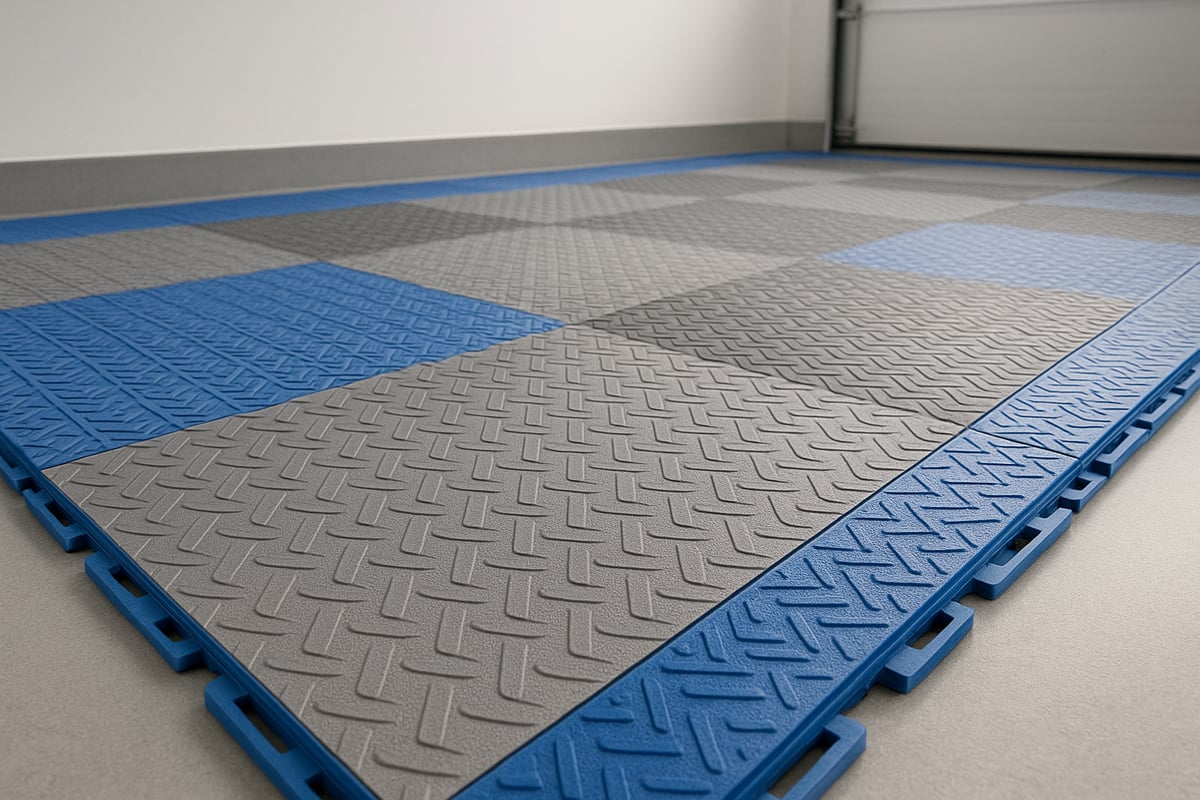
Polypropylene tiles are modular flooring panels made from high-impact polypropylene, a robust thermoplastic polymer. Unlike PVC or EVA tiles, polypropylene tiles offer greater rigidity and temperature stability, which makes them suitable for demanding environments. Manufacturing typically involves injection molding, resulting in tiles available in common formats like 12”x12” or 24”x12” with thicknesses ranging from 0.5” to 0.78”. Brands such as Swisstrax and NewAge provide detailed product specs, with Swisstrax garage floor tiles exemplifying the precision and variety available in the market. Their modular design allows easy customization and integration with existing space layouts.
Key Benefits and Performance Features
The performance of polypropylene tiles is a major reason for their popularity. These tiles can support rolling loads up to 80,000 lbs, making them ideal for garages and commercial settings. Polypropylene tiles are engineered to resist impacts, drops, and heavy equipment, ensuring long-term durability. Their chemical and stain resistance means oils, brake fluids, and cleaning agents will not damage the surface. UV and weather resistance allow for flexible indoor and outdoor use. Many options, such as DECKO, are made from 100% recycled and recyclable materials, appealing to eco-conscious consumers. Additionally, anti-fatigue features and comfort underfoot make them suitable for workspaces and gyms.
Polypropylene vs. Other Modular Flooring Materials
When comparing polypropylene tiles to alternatives, several advantages emerge. Unlike PVC, which may soften in heat, polypropylene tiles maintain structural integrity in varying temperatures. Rubber tiles provide cushioning but can lack chemical resistance. Composite wood and ceramic offer aesthetic appeal but often require more maintenance. Polypropylene tiles usually fall within a $3.19–$3.99 per square foot price range, balancing quality with affordability. Maintenance is minimal, and their longevity surpasses many other modular flooring options, making them a cost-effective investment over time.
| Material | Durability | Chemical Resistance | Maintenance | Typical Cost |
|---|---|---|---|---|
| Polypropylene | High | Excellent | Low | $3.19–$3.99/sqft |
| PVC | Medium | Good | Moderate | $2.50–$3.50/sqft |
| Rubber | Medium | Fair | Moderate | $2.00–$4.00/sqft |
| Composite Wood | Variable | Poor | High | $3.00–$6.00/sqft |
| Ceramic | High | Good | High | $4.00–$7.00/sqft |
Popular Applications for Polypropylene Tiles
Polypropylene tiles are found in a wide range of environments. In residential settings, they are favored for garages, home gyms, patios, balconies, and storage sheds due to their resilience and easy installation. Commercially, these tiles are chosen for showrooms, event venues, retail spaces, and even aviation hangars. Wet areas, such as pool surrounds, spa decks, and terraces, benefit from the drainage features built into many polypropylene tiles. Case studies from leading brands demonstrate how these tiles address challenges like heavy loads, chemical spills, and rapid installation in both home and commercial projects.
2026 Trends in Polypropylene Tile Design and Technology
The year 2026 is shaping up to be a turning point for polypropylene tiles, with a wave of new technologies and design innovations influencing both residential and commercial spaces. As modular flooring becomes more popular, homeowners and professionals are seeking solutions that offer both visual appeal and practical advantages. Polypropylene tiles are at the forefront of this movement, thanks to their adaptability, modern aesthetics, and the integration of smart features.
Color and Pattern Innovations
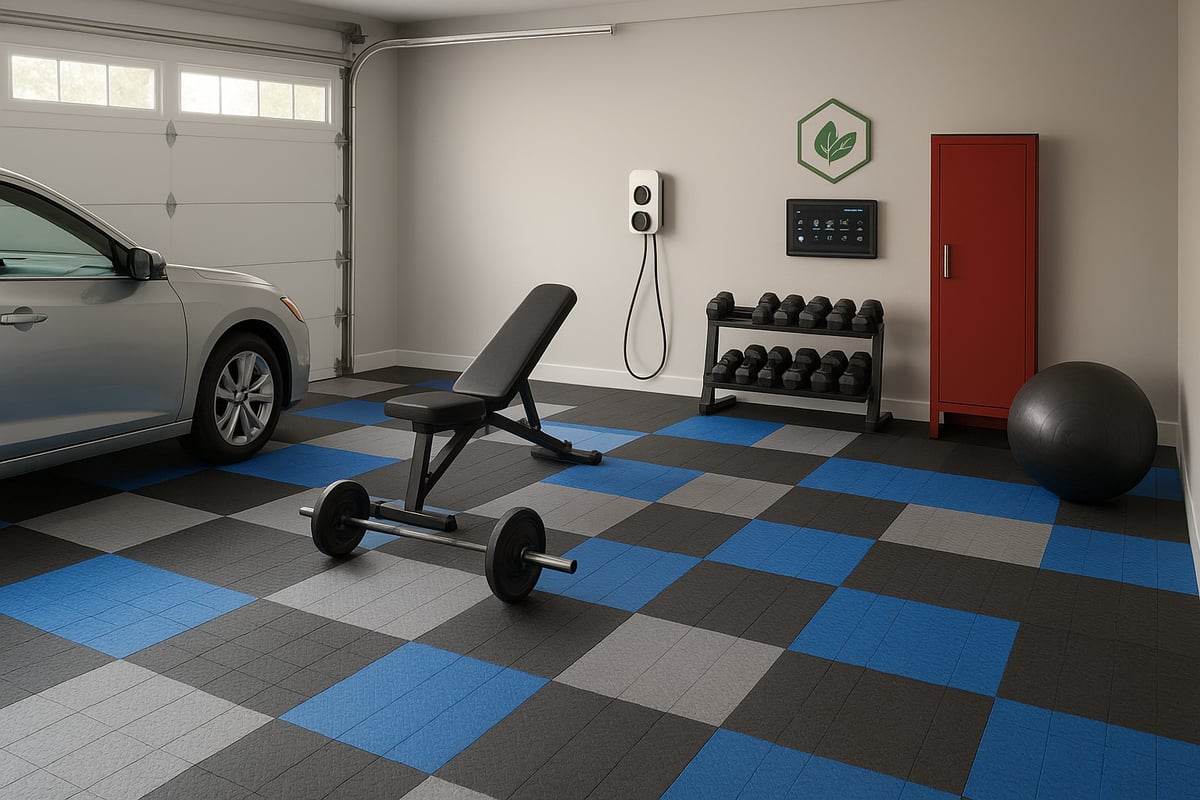
One of the most noticeable trends for polypropylene tiles in 2026 is the expansion of color palettes and customizable patterns. Brands like NewAge are offering premium hues including gray, platinum, red, black, and blue, allowing users to match flooring with cabinetry or decor. Custom patterns such as checkerboard, parking spot outlines, finish lines, and runways are increasingly popular for both residential garages and commercial showrooms.
Designers are leveraging these options to create visually striking spaces that stand out. Integration with cabinets and wall finishes is now easier, making polypropylene tiles a centerpiece of coordinated room makeovers. Galleries from NewAge and DECKO showcase the full potential of these design-forward solutions.
Advanced Interlocking and Installation Systems
In 2026, installation technologies for polypropylene tiles have reached new heights. Systems like PowerLock and Step N Snap from NewAge, along with DECKO’s four-sided interlocking design, ensure that tiles stay firmly in place under heavy loads and high foot traffic. These innovations provide unmatched stability without the need for adhesives, nails, or specialized tools.
The latest interlocking mechanisms are engineered for quick, tool-free assembly, reducing installation time for both DIYers and professionals. Minimizing waste and optimizing edge use are now standard, making polypropylene tiles not only efficient but also cost-effective for a wide range of projects.
Sustainability and Eco-Friendly Manufacturing
Sustainability is a defining feature of polypropylene tiles innovation in 2026. Manufacturers are prioritizing green practices by introducing products made from 100 percent recycled polypropylene, as seen in DECKO’s recent launch of PP Lite Decking Tiles. These advancements cater to the growing demand for eco-friendly building materials in both residential and commercial sectors.
Certifications for recycled content, low VOC emissions, and environmentally responsible manufacturing processes are now common. Reusability is another highlight, as polypropylene tiles can be relocated or repurposed, reducing waste and supporting circular economy goals.
Smart Accessories and Functional Add-ons
Polypropylene tiles now feature a suite of smart accessories designed to enhance comfort, safety, and functionality. Anti-fatigue shocktower inserts provide cushioning for workspaces and gyms, while garage door edge trims and EPDM finishing edges offer weatherproofing and control over spills and debris.
Ramp and corner edges, especially from DECKO, improve accessibility for wheelchairs and carts, making polypropylene tiles suitable for inclusive design. These functional add-ons allow users to tailor their flooring to specific needs, ensuring all areas are both stylish and practical.
Future-Proofing: Smart Integration and Digital Tools
Looking ahead, polypropylene tiles are benefitting from integration with digital planning tools and smart home systems. 3D design software enables users to visualize custom layouts, experiment with color schemes, and plan installations with precision. These digital advances are making personalized flooring more accessible and accurate than ever.
Anticipated tech developments include smart sensors for monitoring floor conditions and compatibility with home automation platforms. As modular flooring evolves, polypropylene tiles are positioned to remain at the cutting edge, offering future-ready solutions for any space.
Step-by-Step Guide: Expert Installation of Polypropylene Tiles
Embarking on a new floor project with polypropylene tiles can feel daunting, but a systematic approach ensures professional results every time. This guide walks you through essential preparation, precision layout, installation, finishing touches, and top tips for lasting performance.
Preparing Your Space
The foundation for flawless polypropylene tiles starts with meticulous preparation. Begin by clearing the area of all debris and thoroughly sweeping or vacuuming the subfloor. Ensure the surface is level, filling any cracks or low spots to avoid uneven tile placement.
Assess moisture and drainage, especially for garages or outdoor spaces. If necessary, address water issues before tile installation. Measure your space carefully, accounting for tricky corners or obstacles. To determine the number of polypropylene tiles required, calculate the total area and add a waste factor of up to 15 percent for cuts and future replacements.
Some manufacturers, like DECKO, offer downloadable tile counting grids, making planning easier. Choose your tile type and color based on traffic, load capacity, and design preferences. This foundational step sets the stage for a seamless installation.
Planning Your Layout and Pattern
Before snapping any tiles together, visualize your layout. Decide between a solid, checkerboard, or custom pattern. Consider how traffic will flow and define functional zones, such as parking, storage, or workout areas.
Mark your starting point, typically a prominent corner or the longest wall, and leave a small expansion gap around the perimeter to accommodate temperature changes. Use chalk lines or laser levels for precise alignment, ensuring your polypropylene tiles are straight from the very first row.
Professional installers recommend laying out a dry run, placing a few rows of tiles without interlocking them to preview the final look. This approach helps catch potential issues before they arise and confirms your pattern choice suits the space.
Installing the Tiles: Chronological Steps
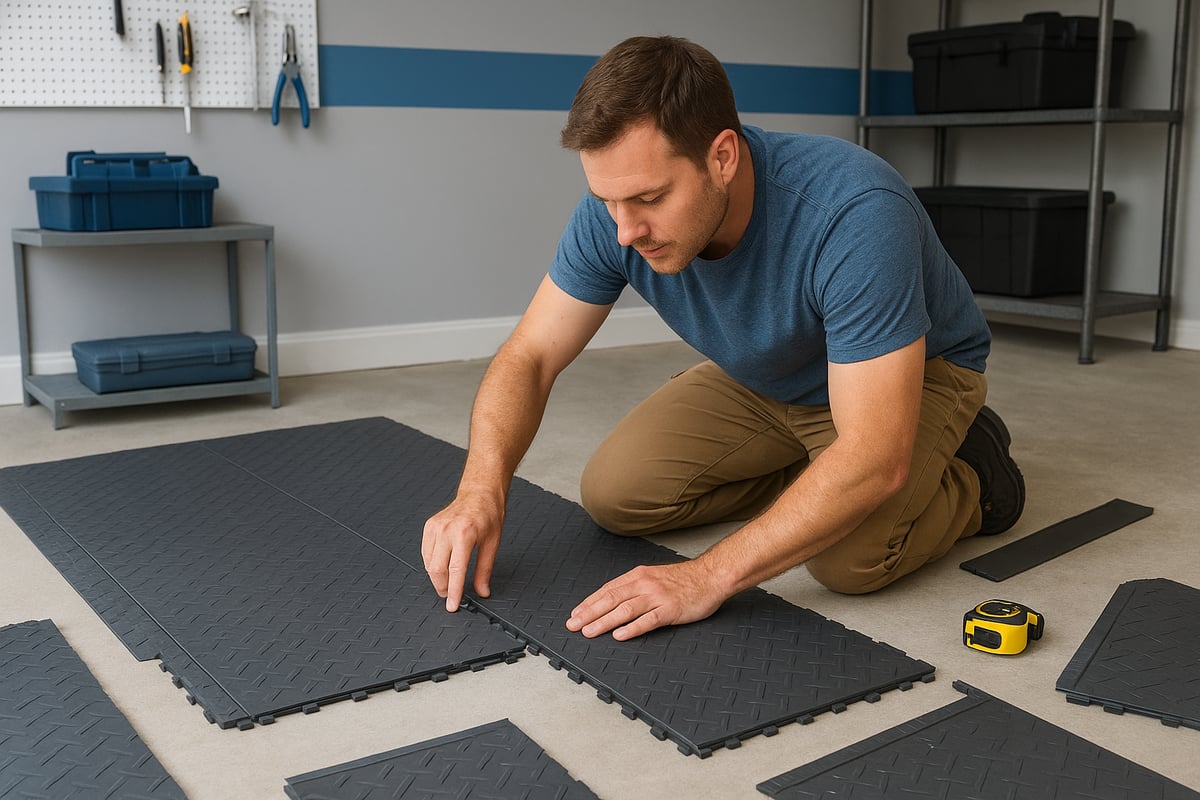
With your layout mapped, begin installation from the starting corner, aligning the interlocking tabs. Most polypropylene tiles use systems like PowerLock or Step-N-Snap for a secure fit. Snap each tile into place, working row by row and maintaining consistent pressure to avoid uneven seams.
Cut tiles as needed for edges or corners using a utility knife or fine-tooth saw. Install ramp and corner edge pieces for safe transitions, especially at doorways. Add trims, such as garage door or EPDM finishing edges, for a polished and weather-resistant finish.
For those seeking more detailed instructions or visual guidance, the DIY installation guide provides step-by-step visuals and best practices for modular polypropylene tiles.
A popular example: many DIYers complete a full garage transformation in a single weekend, enjoying immediate upgrades in style and functionality.
Accessorizing and Final Checks
After laying all tiles, enhance comfort and safety by inserting anti-fatigue shocktower pads where needed, especially in work zones. Inspect all edges, ensuring trims and weather seals are snug and continuous.
Check for any loose tiles or visible gaps, pressing down to secure connections. Sweep or mop the new floor to remove dust from installation. A final walkthrough ensures your polypropylene tiles are perfectly set and ready for use.
Thoughtful accessorizing not only improves daily comfort but also extends the lifespan and performance of your flooring.
Common Mistakes and Pro Tips
Avoiding common pitfalls can make all the difference in the longevity of your polypropylene tiles. Never install over uneven or damp subfloors—address issues first to prevent shifting or mold growth.
Remember to leave expansion space around the perimeter, as polypropylene tiles naturally expand and contract with temperature changes. Use manufacturer calculators and grids to avoid over or under-ordering tiles.
For a flawless finish, consult professional tips:
- Double-check alignment every few rows
- Use proper tools for cutting
- Clean as you go to keep workspace tidy
By following these expert steps and insights, your polypropylene tiles will deliver a durable, attractive, and low-maintenance surface for years to come.
Maintenance and Longevity: Keeping Polypropylene Tiles Like New
Keeping your polypropylene tiles in top condition is simple with the right approach. Regular care not only preserves their vibrant appearance but also maximizes their lifespan, making them a smart investment for both homes and businesses.
Cleaning and Regular Care
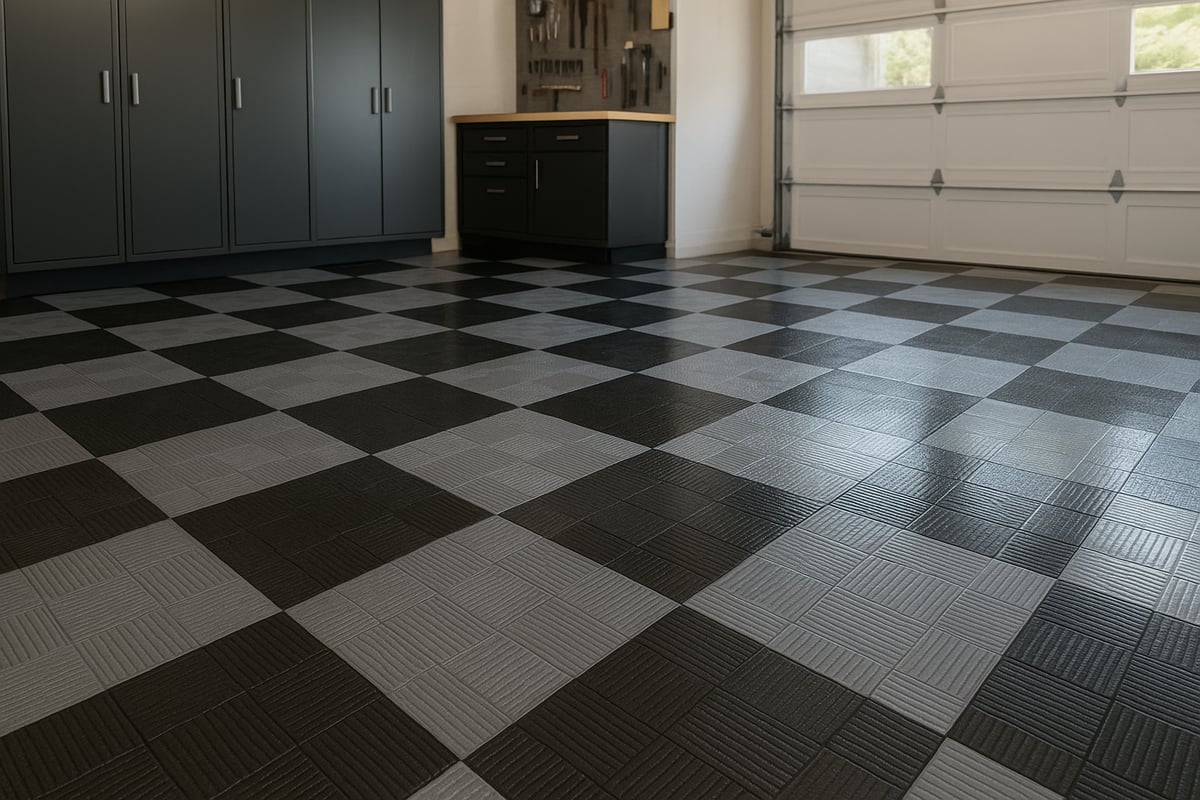
Polypropylene tiles are designed for easy, hassle-free cleaning. For routine upkeep, simply sweep away dust and debris, then mop or hose the tiles with mild soap and water. This low-maintenance surface resists most stains, including oil, chemicals, and household spills.
For stubborn stains, a soft-bristle brush and gentle cleaner are usually all you need. Avoid harsh solvents, as they are unnecessary for polypropylene tiles. High-traffic zones—like garage entries or gym areas—may benefit from more frequent cleaning.
Wondering how this compares to other options? See our garage flooring options explained guide for a breakdown of maintenance needs across different surfaces.
Damage Prevention and Repairs
Polypropylene tiles offer impressive impact resistance, making them ideal for garages, workshops, and gyms where dropped tools or weights are common. If a tile does become damaged, spot replacement is straightforward—just lift and swap the affected piece.
To prevent warping or fading, especially in sun-exposed areas, choose tiles rated for UV resistance. For outdoor installations, confirm your polypropylene tiles are designed to withstand moisture and temperature swings. Regularly inspect for loose tiles or gaps and address them promptly to avoid long-term issues.
Seasonal and Environmental Considerations
Polypropylene tiles adapt well to seasonal changes, but a few precautions will maximize their longevity. In winter, sweep away snow and ice promptly to prevent water from seeping beneath the tiles. Use gentle, non-corrosive ice melt products to avoid surface damage.
During hot summer months, these tiles’ UV-resistant properties protect against fading and warping. For wet areas like pool decks, ensure proper drainage to prevent standing water underneath. Polypropylene tiles are also mold-resistant, making them suitable for humid or damp environments year-round.
Long-Term Performance and Warranty Insights
With proper care, polypropylene tiles can last 10 to 20 years or more. Many manufacturers back their products with warranties that cover wear, fading, and structural integrity. Always review the warranty terms before purchase to understand what’s included.
Here’s a quick comparison table for reference:
| Feature | Polypropylene Tiles | Other Modular Flooring |
|---|---|---|
| Expected Lifespan | 10–20+ years | 5–15 years |
| Warranty Coverage | 10+ years typical | 1–10 years |
| Load Capacity | Up to 80,000 lbs | 2,000–20,000 lbs |
Polypropylene tiles deliver excellent long-term value, retaining their appearance and function even in demanding environments. Regular inspection and timely replacement of worn tiles will ensure your flooring remains safe, attractive, and cost-effective for years to come.
Choosing the Right Polypropylene Tile for Your Needs
Selecting the best polypropylene tiles for your project requires a clear understanding of your space, style, and practical needs. With a wide range of options available, making an informed decision ensures your flooring investment delivers both performance and lasting value.
Assessing Your Space and Usage
Begin by evaluating the specific requirements of your environment. Consider whether your installation will be indoors or outdoors, as polypropylene tiles are designed for both but may offer specialized features for each.
Assess the load-bearing capacity needed: will the tiles support vehicles, gym equipment, or heavy shelving? For wet zones like pool areas or patios, prioritize slip resistance and effective drainage. If comfort is a concern, especially for workspaces or home gyms, look for anti-fatigue properties and a softer underfoot feel.
- Indoor vs. outdoor suitability
- Load and weight requirements
- Drainage and slip resistance for wet areas
- Comfort for standing or active use
Understanding these factors helps you narrow down which polypropylene tiles are best suited for your unique space.
Evaluating Design and Aesthetic Preferences
Your flooring should complement the room's overall design. Polypropylene tiles are available in a variety of colors, patterns, and finishes, making it easy to match existing cabinetry, décor, or branding. Decide whether you want a solid color, checkerboard, or a custom motif that stands out.
Modern tools allow you to visualize layouts and experiment with color combinations before purchasing. For example, the 3D floor designer tool lets you create a digital mockup of your space and preview different polypropylene tiles and patterns in real time.
- Choose colors that fit your style
- Explore functional vs. decorative patterns
- Use digital tools for visualization and planning
Taking time to plan your design ensures a cohesive, attractive result.
Comparing Top Brands and Product Lines
Not all polypropylene tiles are created equal. Leading brands like Swisstrax, NewAge, and DECKO offer unique features, including specialized interlock systems, eco-friendly materials, and varying durability levels.
When comparing products, focus on the following:
| Brand | Durability | Interlock System | Eco-Friendly | Price Range |
|---|---|---|---|---|
| Swisstrax | High | PowerLock | Yes | $$$ |
| NewAge | Very High | Step-N-Snap | Some models | $$-$$$ |
| DECKO | High | 4-sided Clip | 100% | $$ |
Evaluate which brand aligns with your durability, installation, and environmental goals. This approach will help you select polypropylene tiles that meet your expectations.
Budgeting and Cost Calculations
Planning your budget ensures you get the most value from your polypropylene tiles. Most products range from $3.19 to $3.99 per square foot, but total costs depend on your space size, waste factor, and accessories like trims or ramps.
Calculate the area to be covered, add 0–15% for cuts and waste, and factor in any special requirements. Decide if you will install the tiles yourself or hire a professional, as labor costs can vary.
- Measure accurately and include waste margin
- Consider accessory and trim costs
- Compare DIY vs. professional installation expenses
This careful budgeting process helps avoid surprises and ensures your polypropylene tiles project stays on track.
Where to Buy and What to Ask Retailers
Purchase polypropylene tiles from authorized dealers or reputable online retailers to ensure product quality and warranty coverage. Request samples to compare colors and finishes in your actual space. Many retailers also offer design consultations to guide your selection.
Ask about:
- Product compatibility for your subfloor type
- Warranty terms and after-sales support
- Lead times and delivery options
Be cautious of deals that seem too good to be true, and always confirm authenticity to avoid counterfeit products. By asking the right questions, you can confidently invest in polypropylene tiles that will serve you well for years.
Design Inspiration: Real-World Polypropylene Tile Projects
Modern spaces are being reimagined with polypropylene tiles, offering both style and performance. Let’s explore how these versatile tiles are transforming real-world environments, from home garages to aviation hangars.
Residential Garage Transformations
Polypropylene tiles have revolutionized garage flooring, making it possible to achieve a polished, professional look without sacrificing function. Homeowners are choosing modular tiles for their ability to withstand oil stains, tire marks, and heavy loads.
For example, a classic two-car garage can be upgraded in a weekend with interlocking tiles in a checkerboard pattern. Brands like NewAge and Swisstrax offer customizable colors, so you can match your car or cabinetry. The result is a garage that feels more like a showroom, yet is easy to clean and built to last.
Outdoor Spaces: Patios, Decks, and Pools
Outdoor living areas benefit immensely from polypropylene tiles, which are engineered for weather resistance and excellent drainage. These tiles are ideal for patios, balconies, and pool surrounds, offering grip even when wet.
DECKO Lite tiles, for instance, are popular for transforming balconies and terraces into stylish, functional spaces. Their open-grid design allows water to flow through, preventing puddles and slips. Homeowners love the comfort underfoot and the ability to create vibrant outdoor zones with bold tile colors and patterns.
Commercial and Retail Applications
Businesses are turning to polypropylene tiles for their durability and design flexibility. Showrooms, retail stores, and event venues use these tiles to create branded spaces that withstand heavy foot traffic.
With custom color options, companies can incorporate logos or specific patterns into the flooring, reinforcing their brand identity. The modular nature of polypropylene tiles means damaged sections can be replaced without disrupting operations, saving both time and money for commercial property owners.
Gym and Fitness Studios
Polypropylene tiles are a smart choice for gyms and studios, where flooring must handle impact, sweat, and frequent cleaning. Their anti-fatigue properties provide comfort for high-intensity workouts, while textured surfaces enhance slip resistance.
Fitness spaces benefit from quick installation and easy maintenance. Whether covering a home gym or a professional studio, polypropylene tiles deliver a resilient, hygienic surface that stands up to weights, equipment, and daily use.
Aviation, Storage, and Specialty Uses
Specialty environments like aircraft hangars and workshops demand flooring that supports extreme loads and resists chemicals. Polypropylene tiles meet these requirements, making them popular in aviation and industrial settings. According to the Polypropylene Industry Outlook Report 2025-2030, the material’s expanding role in construction is driving new applications, from temporary event flooring to portable storage.
These tiles are also easy to install and relocate, making them perfect for trade shows or pop-up venues. Their resilience, combined with evolving design options, ensures polypropylene tiles remain at the forefront of innovative flooring solutions.
Frequently Asked Questions About Polypropylene Tiles
Polypropylene tiles are gaining popularity among homeowners and professionals alike, but many still have questions about their performance, installation, and sustainability. This FAQ section addresses the most common concerns, helping you make informed decisions for your next flooring project.
Durability and Load Capacity
Polypropylene tiles are engineered to withstand impressive loads, supporting up to 80,000 lbs in rolling weight and up to 2,000 lbs of concentrated loads, making them suitable for vehicles, heavy machinery, and gym equipment. Their impact resistance means dropped tools or weights rarely cause cracks or dents.
Recent developments in polypropylene composites further enhance strength and durability. For insights into how these advancements improve performance, see the Enhancement of Mechanical Properties of High Modulus Polypropylene.
These tiles resist wear from repeated use, maintaining their structure and appearance in both residential and commercial environments. Whether you install polypropylene tiles in a garage or a busy retail space, you can expect long-term reliability and minimal visible wear.
Installation and Customization
Polypropylene tiles can be installed over most flat, hard surfaces, including concrete, wood, and even some existing floors. Their modular design and interlocking systems allow for quick, glue-free installation, making the process accessible for DIYers and professionals alike.
Cutting tiles to fit around corners or obstacles is straightforward with basic tools, and you can easily mix colors and patterns to create custom designs. For a detailed walkthrough on preparing your subfloor and snapping tiles together, refer to the Flexi-Tile Installation Guide.
Polypropylene tiles offer flexibility to adjust layouts or expand coverage as your needs change. Their design versatility means you can update spaces without major renovations.
Maintenance and Cleaning
Keeping polypropylene tiles looking new is simple. Regular cleaning involves sweeping or vacuuming debris, then mopping or hosing down with mild soap and water. Most oil, chemical, and household stains can be removed with minimal effort, thanks to the tile’s non-porous surface.
These tiles are waterproof and resist mold and mildew, making them ideal for wet areas like pool surrounds or spa decks. In high-traffic zones, a quick routine clean is usually enough to maintain their appearance.
Replacement is rarely needed unless a tile is physically damaged. With polypropylene tiles, you can easily swap out individual pieces, keeping your floor pristine without replacing the entire surface.
Eco-Friendliness and Safety
Many polypropylene tiles are made from 100% recycled or recyclable materials, supporting green building initiatives and reducing environmental impact. They do not emit volatile organic compounds (VOCs) or strong odors, providing a safe indoor air quality for residential and commercial spaces.
Slip resistance is a key feature, especially in wet or high-traffic areas. Manufacturers often test and certify tiles to meet safety standards, ensuring peace of mind for users of all ages.
As innovations in polypropylene continue, you can expect even more eco-friendly options and improved safety features in future product lines. Polypropylene tiles combine performance, sustainability, and user safety in a single, versatile solution.
Now that you have a deeper understanding of polypropylene tiles, their standout benefits, and the design trends shaping 2026, you might be considering how these innovations can elevate your own space. Whether you are planning a garage transformation, a sleek gym floor, or a commercial upgrade, choosing the right tile and installation partner is essential for lasting results. If you are ready to see what’s possible for your project or want a clear estimate tailored to your needs, you can get started quickly and confidently with a personalized Quick Quote.

