

Interlocking Tiles Guide: Expert Tips for 2026 Spaces

Imagine transforming any area—garage, patio, gym, or commercial space—quickly and effortlessly. Interlocking tiles offer a flexible solution for every environment.
This guide provides expert insights for 2026, helping you choose, install, and maintain modern interlocking tiles. Whether you are a homeowner or a business owner, the right tile can make a difference.
Explore the latest trends, new materials, smart design strategies, and step-by-step installation advice. Discover how interlocking tiles combine style, durability, and practicality for any project.
Upgrade your space with confidence. Benefit from professional tips, real-world examples, and industry-leading guidance designed for easy, stylish results.
Understanding Interlocking Tiles: Types, Materials, and Modern Applications
Interlocking tiles have revolutionized modern flooring, offering an adaptable solution for a wide range of spaces. Their unique design allows for fast, secure installation without the need for adhesives or specialized tools. Whether you are upgrading a garage, patio, or commercial area, interlocking tiles provide a flexible, professional finish.
What Are Interlocking Tiles?
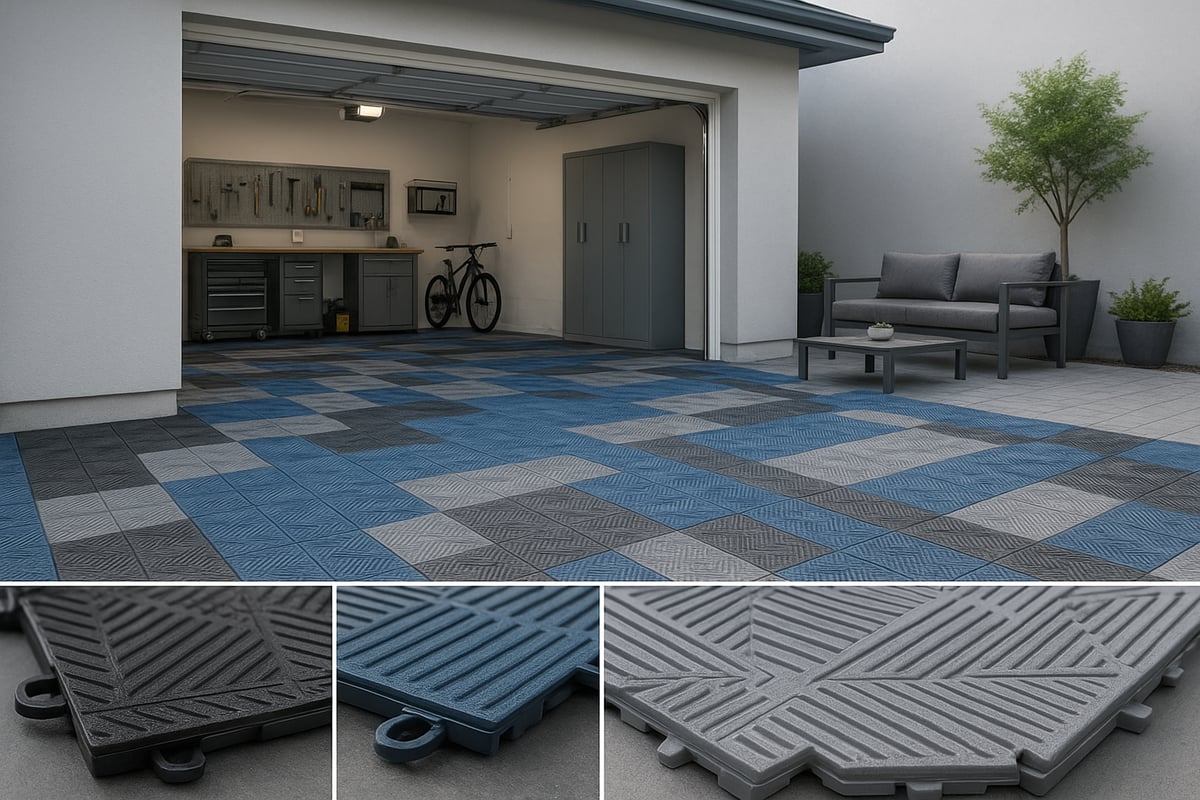
Interlocking tiles are modular flooring components designed to connect seamlessly using built-in mechanisms such as loop-to-peg or snap-fit systems. These connections create a stable, continuous surface that is easy to install and reconfigure. Unlike traditional flooring, interlocking tiles do not require glue or nails, making them highly accessible for DIY projects.
The concept dates back several decades, evolving from basic plastic floor mats to advanced, purpose-built systems. Today, options like perforated deck tiles for patios and modular garage tiles offer improved drainage, durability, and style. Interlocking tiles have become a preferred choice for modern renovations and upgrades.
Popular Types of Interlocking Tiles in 2026
The range of interlocking tiles in 2026 is diverse, catering to different environments and needs. Plastic tiles, such as polypropylene or PVC, dominate outdoor and garage spaces due to their resilience and load capacity. Foam tiles provide cushioning, making them ideal for gyms, playrooms, and kids’ areas. Rubber tiles are popular in gyms and commercial settings for their shock absorption and slip resistance. Composite and specialty tiles address high-traffic or designer applications with unique finishes.
For those seeking variety, Swisstrax garage floor tiles and accessories showcase a broad selection of interlocking tiles suitable for both residential and commercial spaces. Competitors like ModuTile and FloorPops also offer innovative solutions for every need.
Material Innovations and Sustainability
Material technology has advanced rapidly in the interlocking tiles market. UV-resistant coatings, anti-slip textures, and permeable surfaces now come standard, enhancing safety and longevity. Manufacturers increasingly use eco-friendly processes, resulting in recyclable and low-emission tile options. Durability has improved, with high-impact polypropylene supporting heavy vehicles and equipment.
Sustainability is a growing trend, with more consumers seeking long-lasting, environmentally conscious flooring. Demand for interlocking tiles that combine performance and eco-responsibility continues to rise in 2026, reflecting a shift toward greener building practices.
Where Are Interlocking Tiles Used?
The versatility of interlocking tiles makes them suitable for a wide variety of spaces. In residential settings, they are popular in garages, patios, basements, home gyms, and playrooms. Commercial uses include showrooms, event spaces, retail stores, and office environments. Outdoors, interlocking tiles are found on decks, pool surrounds, and walkways, thanks to their weather-resistant properties.
Niche applications are expanding too, with installations in aviation hangars, automotive workshops, and exhibition floors. Customer case studies highlight the adaptability of interlocking tiles, with creative solutions for both standard and challenging environments.
Key Benefits for 2026 Spaces
Interlocking tiles offer several advantages for modern spaces in 2026. Installation is quick and DIY-friendly, allowing users to transform rooms with minimal effort. Customization is a key feature, with a wide range of colors, patterns, and modular configurations available. Maintenance is simple, as tiles are easy to clean and replace if damaged.
Safety is prioritized through slip-resistant surfaces and compatibility with uneven subfloors. The adaptability of interlocking tiles ensures they perform well on various surfaces, providing a reliable, attractive solution for both home and business applications.
Design and Planning: How to Choose the Right Interlocking Tiles
Selecting the ideal interlocking tiles for your space in 2026 requires careful consideration of your environment, style preferences, and practical needs. This section will guide you step-by-step through assessing your space, choosing the right design, calculating quantities, budgeting, and ensuring compliance for a seamless upgrade.
Assessing Space and Usage Requirements
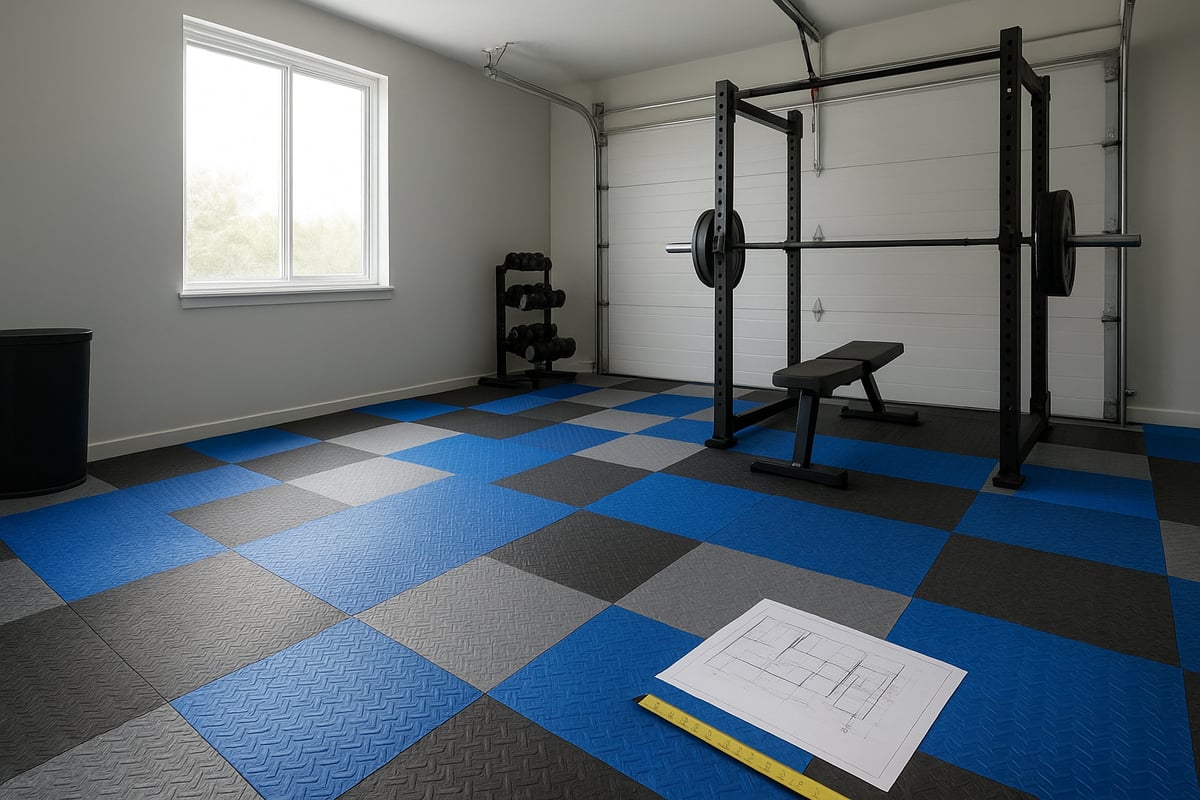
Begin by analyzing how your area will be used. Will it handle heavy vehicles, high foot traffic, or gym equipment? Each application affects your choice of interlocking tiles. For garages, opt for tiles that withstand oil, tire marks, and weight. In playrooms or gyms, foam or rubber tiles offer comfort and shock absorption.
Consider environmental factors. Moisture, sunlight, and temperature changes can impact performance. For wet patios, perforated interlocking tiles ensure quick drainage, while foam tiles are perfect for dry, indoor play areas. Matching the tile to your specific needs ensures durability and long-term satisfaction.
Style, Color, and Pattern Selection
Interlocking tiles in 2026 come in bold colors, geometric designs, and mixed materials. Want to create a statement? Try a checkerboard or border pattern, or mix hues for a playful effect. Modular layouts allow limitless customization, making it easy to complement your existing décor.
Think about how color and texture define zones within open spaces. Use contrasting tiles to separate a gym area from a lounge, or add custom graphics for branding in commercial settings. Multi-color options and custom designs help your flooring reflect your personal style.
Measuring and Calculating Tile Quantities
Accurate measurement is crucial for a flawless installation of interlocking tiles. Start by measuring the length and width of your space, accounting for any nooks or irregular shapes. Remember to add extra tiles—about 6 percent—for cuts and edge pieces, as recommended by ModuTile.
Modern planning tools make this step easier. The Swisstrax 3D design tool lets you visualize tile layouts, calculate quantities, and experiment with colors before purchasing. These resources help you avoid shortages and ensure a perfect fit, even in complex spaces.
Budgeting and Cost Considerations
Budgeting for interlocking tiles involves more than just the cost per tile. Prices vary by material and brand, with durable polypropylene tiles starting around $2.59 per tile and premium options like Swisstrax at higher price points. Foam and rubber tiles may have different rates, often reflecting their specialized features.
Factor in installation accessories, ramp edges, and future scalability when planning your budget. While upfront costs may be higher for premium products, their longevity and low maintenance can save money over time. Compare options using both price and expected durability to make a smart investment.
| Tile Type | Price Range | Durability |
|---|---|---|
| Polypropylene | $2.59–$5/tile | 10–20 years |
| Rubber | $4–$8/tile | 5–15 years |
| Foam | $2–$6/tile | 3–8 years |
Safety and Compliance Factors
Safety is a top priority when choosing interlocking tiles. Look for features like slip resistance, fire ratings, and non-toxic materials. For outdoor or commercial spaces, UV protection and compliance with local building codes are essential.
Accessibility should not be overlooked. Choose tiles with ramp edges for smooth transitions and ensure the surface is even to prevent tripping hazards. Many modern interlocking tiles include these safety features as standard, giving you peace of mind in both public and private environments.
Step-by-Step Installation Guide for Interlocking Tiles
Installing interlocking tiles is a straightforward process designed for both professionals and DIY enthusiasts. The modular nature of these tiles means you can achieve a seamless, stylish floor upgrade with minimal effort. Follow this comprehensive guide to ensure your installation is smooth, efficient, and built to last.
Preparation: Tools, Subfloor, and Layout Planning
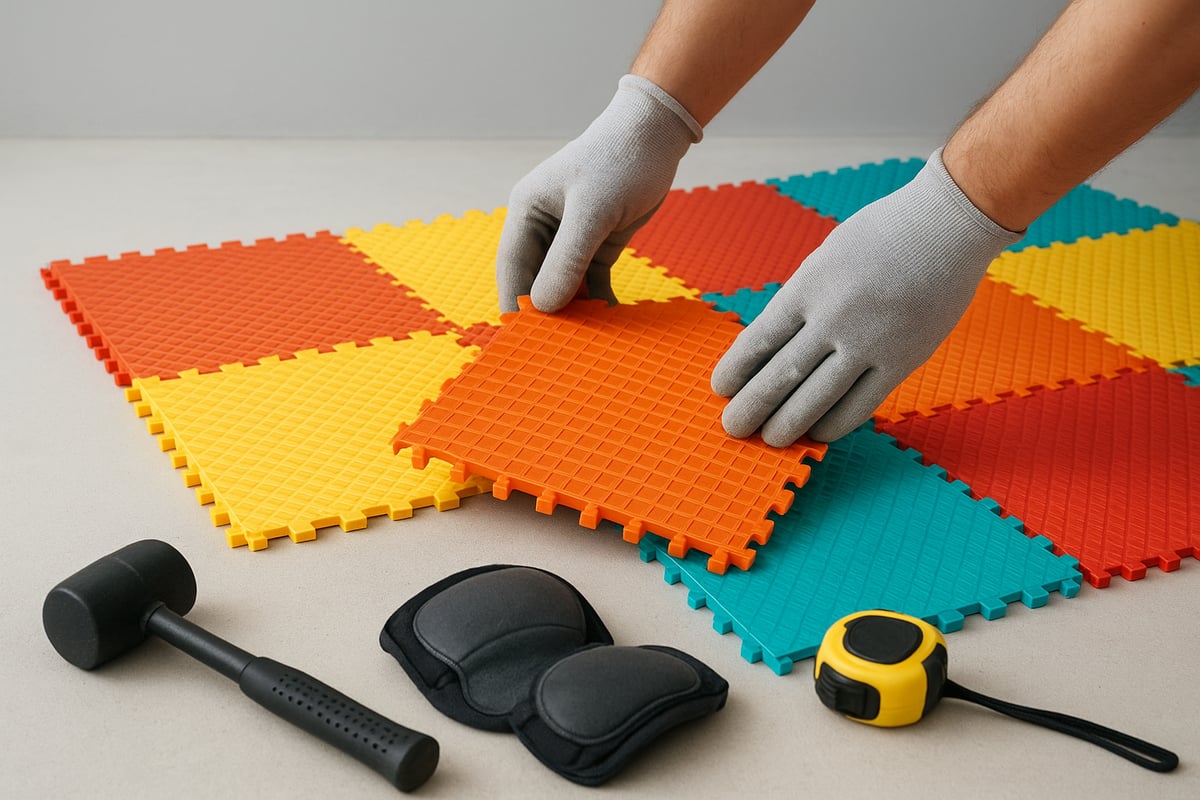
Begin your interlocking tiles project by gathering essential tools. Recommended items include gloves for hand protection, a rubber mallet for snug fitting, knee pads for comfort, and a reliable measuring tape. These basic tools make the installation process safe and efficient.
Next, inspect the subfloor. Whether you are working with concrete, wood, or another surface, ensure it is clean, dry, and free from debris. Sweep thoroughly and remove any dust or loose particles. For uneven areas, use a leveling compound or patch small holes to create a flat base. Proper preparation helps interlocking tiles lay evenly and securely.
Plan your layout before starting. Measure the full area, accounting for obstacles such as columns or drains. Sketch a simple floor plan, marking where you want borders or patterns. This step reduces waste and ensures you have enough tiles for the project. A well-prepared foundation is key to a long-lasting, professional finish.
Dry-Laying and Test Fitting
Before committing to a full installation, dry-lay your interlocking tiles. This means placing the tiles on the subfloor without connecting them permanently. Dry-laying allows you to test the fit, visualize your chosen layout, and make adjustments as needed.
Start from the center or a main focal point of the space, working outward. Arrange tiles to check for alignment, color distribution, and pattern consistency. For areas with obstacles, trim tiles with a utility knife or saw, ensuring a snug fit around edges and fixtures. This step helps prevent last-minute surprises and minimizes material waste.
If you are planning a complex design, use a CAD tool or online layout planner. These digital resources can help map out your space accurately, providing a preview of the finished look. Taking the time for a thorough test fit ensures your interlocking tiles align perfectly and meet your design goals.
Installing the Tiles: Chronological Steps
Now you are ready for the main installation. Begin by aligning the first row of interlocking tiles along your chosen starting edge or centerline. Connect each tile using the designated mechanism, such as a loop-to-peg or snap-fit system. Use a rubber mallet to tap tiles gently into place, ensuring a tight, seamless connection.
Continue laying tiles row by row, working methodically across the space. For edges and corners, measure carefully and cut tiles to fit using a saw or utility knife. Leave a small expansion gap along walls to accommodate temperature changes. Secure ramp edges or transition strips where needed for safety and a polished appearance.
For additional guidance, refer to this DIY installation guide for modular tiles which offers detailed, step-by-step instructions tailored to interlocking tiles. Most residential spaces, such as patios or garages, can be completed in a single day with proper planning and preparation.
Finishing Touches and Accessories
With the main field of interlocking tiles installed, focus on finishing details. Attach ramp edges at entry points to create smooth transitions and prevent tripping hazards. Install corner pieces for a clean, professional appearance.
Consider adding decorative borders or custom design elements, such as logos or contrasting patterns, to enhance the visual appeal. Double-check the entire floor for stability, ensuring all tiles are securely connected and edges are flush.
Take a moment to walk across the finished surface, feeling for any loose tiles or uneven areas. Address any issues immediately to maintain the integrity of your interlocking tiles installation. These final touches elevate the look and functionality of your new floor.
Common Installation Mistakes and How to Avoid Them
Even with the simplicity of interlocking tiles, common mistakes can occur. Failing to properly clean and prepare the subfloor may result in uneven surfaces or reduced tile lifespan. Take time to sweep and inspect the base thoroughly before starting.
Incorrect measurements can lead to shortages or excessive waste. Always double-check your calculations and order extra tiles to account for cuts and future replacements. Skipping the dry-lay step or misaligning patterns may cause visual inconsistencies that are difficult to fix once installed.
Avoid forcing tiles together, as this can cause damage or create gaps. Use gentle pressure and the right tools for a secure fit. If you encounter challenges, consult manufacturer guides or seek professional advice. Careful planning and attention to detail ensure your interlocking tiles deliver outstanding results for years to come.
Maintenance, Cleaning, and Longevity: Keeping Tiles Looking New
Keeping your interlocking tiles looking pristine is simple with routine care and targeted maintenance. Whether your tiles are in a garage, gym, patio, or commercial space, following expert strategies ensures they stay vibrant and durable for years. Let’s break down the best practices for maintaining interlocking tiles in any environment.
Daily and Routine Cleaning Methods
Regular cleaning keeps interlocking tiles looking fresh and prevents dirt buildup. Begin by sweeping or vacuuming the surface to remove dust, grit, and debris. For most materials, a damp mop with mild soap is effective for everyday cleaning.
Perforated interlocking tiles are especially user friendly, as their design allows water and spills to drain away quickly. This feature is ideal for patios or garages where moisture and mud are common. Avoid harsh chemicals that may degrade tile materials and always follow manufacturer recommendations.
For quick cleanups, a microfiber mop works well on foam and rubber surfaces, while plastic tiles can handle more vigorous scrubbing. Consistent care helps maintain the appearance and function of your interlocking tiles.
Deep Cleaning and Stain Removal
Occasionally, interlocking tiles require a deeper clean to tackle stubborn stains like oil, paint, or food spills. For plastic and rubber tiles, use a non abrasive brush and a neutral pH cleaner to lift difficult marks. Outdoor installations can benefit from a gentle pressure wash, but always check for compatibility with your specific tile material.
If a spill seeps through the seams, modular designs allow you to temporarily remove affected tiles for thorough cleaning beneath. Premium interlocking tiles often offer high chemical resistance, making them suitable for garages and workshops exposed to automotive fluids or harsh substances.
Address stains promptly to prevent permanent discoloration and keep your interlocking tiles looking new longer.
Repair, Replacement, and Tile Longevity
One of the greatest advantages of interlocking tiles is easy spot replacement. If a tile becomes cracked, stained, or faded, simply lift and swap it out with a new one. Regularly inspect high traffic areas for signs of wear, UV fading, or warping, especially in outdoor or sun exposed locations.
Modern interlocking tiles are engineered for durability, with expected lifespans ranging from 5 to over 20 years depending on material and use. Features like UV protection extend the life of outdoor tiles, minimizing color loss and surface breakdown.
Timely repairs and replacements protect your investment and ensure the surface remains safe and attractive for daily use.
Maintenance Tips for Specialized Spaces
Different environments present unique challenges for interlocking tiles. In gyms, wipe down sweat and address equipment movement by checking for tiles that have shifted. For garage floors, quickly clean oil drips and tire marks to prevent staining and consult guides like the Floor tiles for garage floor blog for targeted maintenance strategies.
Outdoor areas may need seasonal cleaning to remove snow, algae, or debris. Commercial spaces benefit from regular inspections to manage high traffic wear and enable rapid repairs as needed.
By following these tailored tips, you can maximize both the performance and appearance of your interlocking tiles in any specialized setting.
Expert Tips and 2026 Trends for Interlocking Tile Spaces
Modern spaces demand more from flooring than ever. With interlocking tiles, you can unlock new levels of customization, durability, and style. Whether you are upgrading a home gym or designing a high-traffic commercial zone, staying ahead of trends and best practices ensures your investment delivers both performance and visual impact.
Maximizing Functionality and Aesthetics
Getting the most from interlocking tiles means thinking beyond the basics. Combine different tile types to create distinct zones within a single space, such as using rubber tiles for workout areas and polypropylene tiles for walkways.
Use color and pattern to define borders, pathways, or feature areas. Checkerboard and border designs work well for patios, while custom graphics add personality to showrooms or gyms. Integrate interlocking tiles with your existing décor for a seamless look that enhances both form and function.
Innovations to Watch in 2026
Technology is rapidly transforming the interlocking tiles market. Smart tiles with embedded sensors or LED lighting are gaining popularity in commercial and event spaces. Enhanced eco-friendly materials, including fully recyclable options and advanced anti-microbial coatings, are meeting consumer demand for sustainability.
Anti-slip technologies and improved surface textures are making interlocking tiles safer for all environments. According to the Modular Flooring Market Size and Share, rising demand for sustainable, high-tech solutions is set to shape the industry through 2026 and beyond.
Professional vs. DIY Installation: What to Consider
Choosing between professional and DIY installation depends on your project’s complexity. Large or irregular spaces, intricate layouts, or commercial requirements often benefit from expert design consultation and CAD planning.
Professional installers can ensure flawless alignment and long-term performance of your interlocking tiles. However, DIY installation offers cost savings, flexibility, and a sense of accomplishment. Many homeowners find that modular tiles’ user-friendly design makes self-installation a rewarding option for most residential projects.
Addressing Common User Challenges
Users may face challenges such as comfort underfoot, especially in areas used barefoot or with high heels. Heavy furniture can sometimes leave marks, but furniture sliders or pads help prevent this.
Adapting interlocking tiles to uneven subfloors is straightforward—many tiles conform well to slight irregularities. For moisture-prone spaces, proper ventilation and thermal barriers can reduce condensation and mold risk. Always select the right tile material for your environment to optimize durability and performance.
Real-World Examples and Case Studies
Residential garages and patios have been transformed with bold patterns and easy-clean surfaces, delivering high satisfaction. Commercial spaces, such as retail stores and gyms, report improved safety and brand integration through custom graphics and color zoning.
User reviews consistently highlight the versatility and longevity of interlocking tiles. For inspiration, browse competitor galleries to see checkerboard patios, branded gym floors, and creative event spaces that showcase the full potential of modular flooring in 2026.
Frequently Asked Questions About Interlocking Tiles
Curious about interlocking tiles? Below, we answer the most common questions homeowners, business owners, and designers have about these versatile flooring solutions in 2026. Whether you are planning a new project or maintaining an existing installation, these expert insights will help you make informed decisions.
Are Interlocking Tiles Suitable for All Surfaces?
Interlocking tiles are designed to work with a variety of subfloors, such as concrete, wood, asphalt, and even compacted gravel. Their modular design allows them to conform to slight unevenness, making them a smart option for many environments. However, extremely soft or highly irregular surfaces can present challenges.
For these cases, additional underlayment or surface preparation may be required to ensure stability and longevity. Specialized interlocking tiles, like those used for ESD protection or commercial applications, are engineered for unique flooring needs. For an in-depth look at these specialized solutions, review the Interlocking ESD Floor Tiles Analysis 2026-2034 for market trends and technical guidance.
- Compatible with most solid subfloors
- Can be installed over minor imperfections
- Additional prep may be necessary for soft or uneven bases
How Do Interlocking Tiles Handle Moisture and Temperature?
Modern interlocking tiles are built to withstand various environmental conditions. Outdoor-rated products feature drainage channels and perforations, quickly directing water away and preventing pooling. UV-stabilized materials protect against fading and degradation from sunlight, while high-quality plastics and rubbers resist cracking in freeze-thaw cycles.
Thermal expansion and contraction are managed through built-in expansion joints or by leaving small gaps at the perimeter during installation. This ensures that interlocking tiles remain secure and visually appealing even in extreme temperatures.
- Drainage features for wet areas
- UV and freeze-thaw resistance
- Expansion gaps for temperature changes
Can Interlocking Tiles Be Customized or Reused?
One of the standout benefits of interlocking tiles is their flexibility. You can mix and match colors, create custom patterns, or even incorporate logos for branding. If your needs change, tiles can be lifted and reinstalled in a different layout or location, which is ideal for temporary spaces or evolving designs.
Material innovations, such as those highlighted in the Luxury Vinyl Tile Floor Coverings Market 2026-2031, are driving new options in customization, durability, and eco-friendly reuse. Upcycling and recycling programs are also becoming more accessible for sustainable projects.
- Easily rearrange or expand layouts
- Wide variety of colors and finishes
- Reusable and recyclable options
What Accessories and Add-Ons Are Available?
To maximize performance and aesthetics, a range of accessories is available for interlocking tiles. These include ramp edges for smooth transitions, corner pieces for a finished look, and logo tiles for branding. Underlayment options can provide additional sound or thermal insulation, while transition strips allow seamless integration with other flooring types.
Accessories are designed to enhance safety, accessibility, and visual appeal, making it easy to tailor your interlocking tiles installation to any space.
- Ramp edges and corners for accessibility
- Underlayment for insulation
- Transition strips and logo tiles for customization
Have more questions about interlocking tiles? Reach out to a flooring expert or consult professional resources for tailored advice.
Elite Modular Flooring: Premium Modular Tile Solutions for Modern Spaces
Elite Modular Flooring stands out as the UK’s premier installer and authorized dealer for Swisstrax, delivering premium interlocking tiles for garages, gyms, showrooms, and commercial environments. Their Swisstrax range is renowned for superior durability, chemical resistance, and customizable design options, offering a vast selection of colors and finishes. Clients benefit from professional installation, advanced 3D design tools, and seamless project planning tailored to any space. Whether you are a homeowner, automotive enthusiast, or commercial client, Elite Modular Flooring provides expert support, nationwide service, and free custom quotes, making them the top choice for high-performance interlocking tiles.
As you think about transforming your garage, gym, or commercial space with the latest in interlocking tile solutions, it’s clear that the right planning and expert advice make all the difference. Whether you’re focused on durability, design, or easy maintenance, Elite Modular Flooring offers the expertise and high-quality Swisstrax tiles to help you achieve a modern, lasting result. If you're ready to take the next step or just want to see what’s possible for your project, you can get a personalized recommendation in minutes. Let’s make your vision for 2026 a reality—start by getting your Quick Quote.

