

Garage Floor Flooring Guide: Expert Tips for 2026

Ready to give your space a modern edge? In 2026, the right garage floor flooring can turn any garage into a high-performance, stylish retreat. Choosing the best option is no longer just about practicality; it's about enhancing both appearance and function.
This expert guide delivers the latest trends and insights to help you make smart decisions. Discover cutting-edge garage floor flooring types, compare their pros and cons, and get step-by-step advice for installation and maintenance.
Unlock the secrets to a durable, attractive garage transformation. Let’s explore what’s possible and ensure your next project achieves long-lasting results.
Understanding Garage Floor Flooring: Key Considerations for 2026
Choosing the right garage floor flooring in 2026 means balancing innovation, practicality, and aesthetics. Modern garages serve multiple roles, from vehicle storage to home gyms, so your flooring must adapt to changing needs. Understanding the latest materials, safety standards, and design trends will help you make an informed decision that stands the test of time.
Material Innovations and Market Trends
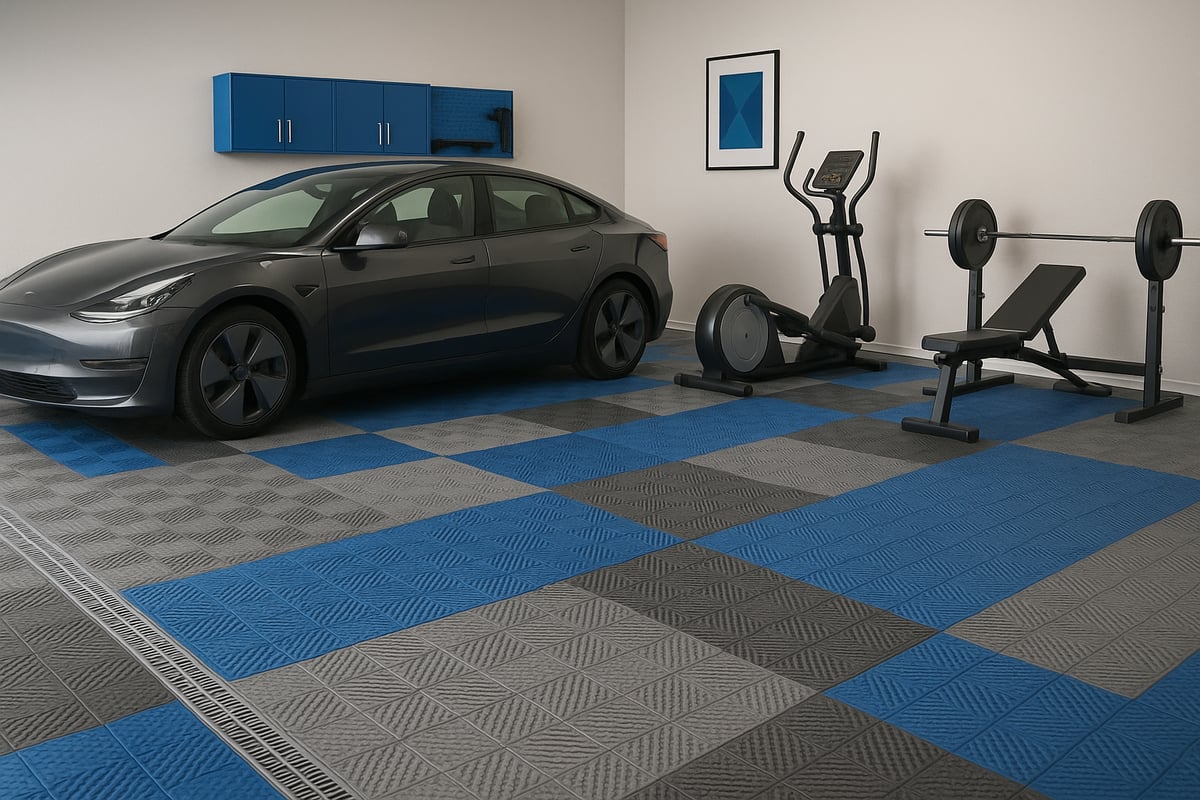
In 2026, the garage floor flooring landscape is defined by rapid innovation and shifting consumer priorities. The most popular materials include modular tiles, epoxy and polyaspartic coatings, roll-out vinyl sheets, and advanced concrete sealers. Modular tiles have seen a significant market share increase, driven by the ease of DIY installation and customisable designs. For example, leading brands now offer tiles in over 20 colours and five surface textures, allowing homeowners to create unique patterns and zones within their garages.
Sustainability is a growing priority. Eco-friendly, recyclable, and low-VOC flooring options are now widely available, appealing to environmentally conscious consumers. The rise of electric vehicles and home gyms has influenced material selection, as homeowners demand flooring that resists stains, chemicals, abrasion, and heavy loads while supporting frequent activity.
Customisation and aesthetics are at the forefront. More homeowners seek a showroom-quality look in their garage floor flooring, using bold colours and textured finishes. Cost is another key factor. While modular tiles may have a higher upfront investment, their long-term durability and low maintenance provide greater value over time.
Below is a summary of current trends:
| Flooring Type | Market Trend | Lifespan | Customisation | Sustainability |
|---|---|---|---|---|
| Modular Tiles | Rapid growth | 20+ years | High | High |
| Epoxy Coatings | Stable demand | 10-20 years | Medium | Moderate |
| Roll-out Vinyl | Budget-friendly | 5-10 years | Low | Moderate |
| Concrete Sealers | Entry-level | 3-5 years | Low | High |
For a detailed overview of how these materials compare in real-world applications, you can consult the Garage Flooring Options Guide.
Environmental and Safety Factors
Safety and environmental performance are critical for garage floor flooring in 2026. Slip resistance is essential, especially in garages exposed to water, oil, or snow. Modern modular tiles and roll-out vinyl often feature textured surfaces and integrated drainage channels, helping to reduce slip hazards and standing water.
Thermal insulation is another consideration, as it affects comfort during cold months and helps protect stored items. Water and chemical resistance are now standard features, ensuring the floor withstands cleaning agents, automotive fluids, and battery acid. Fire safety is also a top priority, with many flooring products rated to Class 1 standards, meeting updated UK and EU regulations.
Health-conscious homeowners look for low-emission, low-VOC materials to improve indoor air quality. Choosing certified products helps minimise exposure to harmful chemicals and allergens. For example, roll-out vinyl and modular tiles are now produced with advanced formulations that meet strict emission limits.
When evaluating garage floor flooring options, check for certifications related to slip resistance, fire safety, and environmental impact. Prioritising these factors will help create a safer, healthier, and more sustainable garage environment for years to come.
Types of Garage Floor Flooring: Pros, Cons & Best Uses
Choosing the right garage floor flooring in 2026 can transform your garage from a basic storage space into a high-performance, attractive, and functional environment. Whether you prioritise durability, customisation, or ease of installation, understanding the options available is key to making an informed decision. Let’s explore the leading types of garage floor flooring, their advantages, drawbacks, and ideal applications.
Modular Garage Floor Tiles
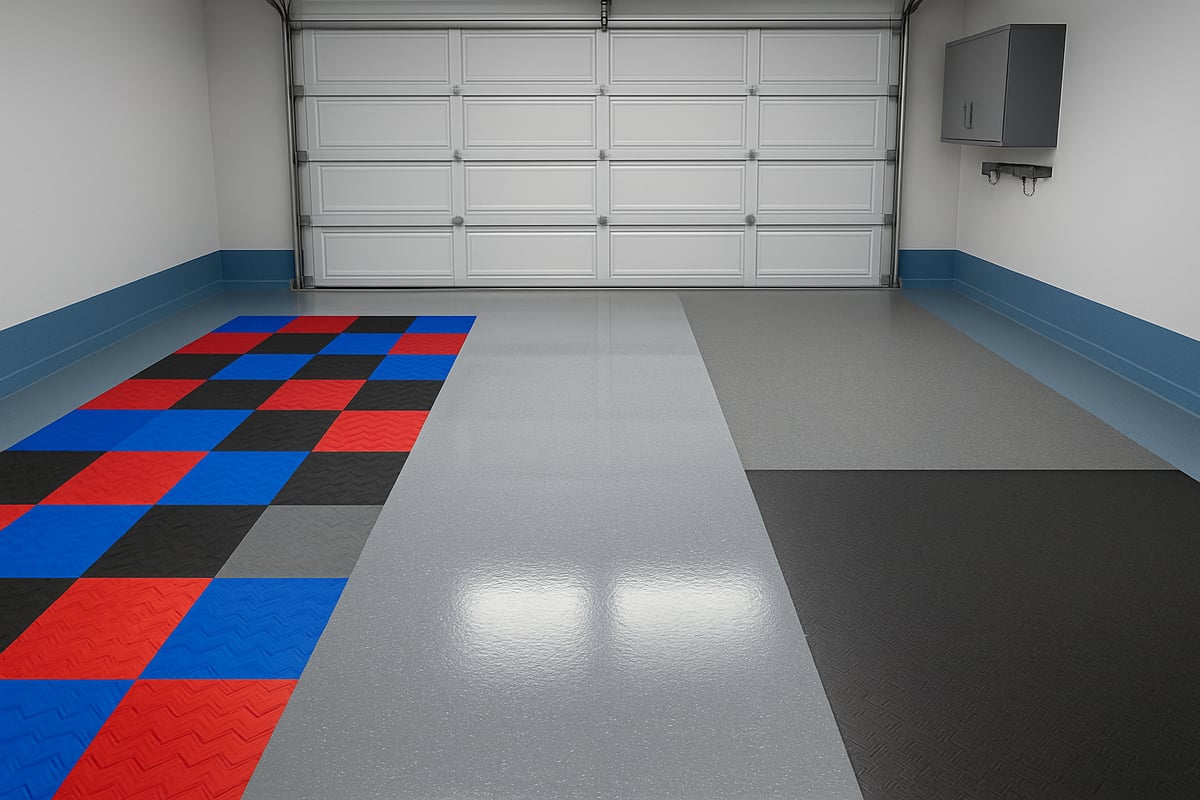
Modular garage floor flooring tiles, typically made from interlocking PVC or polypropylene, have surged in popularity due to their design flexibility and impressive resilience. These tiles snap together effortlessly, creating a seamless, floating surface over your existing concrete.
Pros:
- Quick, no-glue DIY installation with minimal tools
- Customisable in over 20 colours and multiple surface textures
- Excellent durability, chemical resistance, and built-in drainage channels
- Removable for cleaning or redesign
Cons:
- Higher upfront investment compared to basic options
- Occasional tile replacement may be required in high-use areas
Best Uses: Homeowners seeking a premium look, showrooms, home gyms, and anyone wanting to personalise their garage floor flooring.
For those interested in exploring the latest modular tile options, the Swisstrax Garage Floor Tiles Collection offers a comprehensive range suitable for any style or performance need.
Example: Swisstrax Ribtrax Pro tiles are engineered for superior drainage and chemical resistance, making them a top pick for modern garages.
Epoxy and Polyaspartic Coatings
Epoxy and polyaspartic coatings are liquid-applied systems that cure to a seamless, glossy finish, offering a high-end look for garage floor flooring. These coatings bond directly to concrete, providing a durable and stain-resistant surface.
Pros:
- Extremely tough, withstanding heavy loads and frequent vehicle traffic
- High resistance to stains, chemicals, and abrasion
- Customisable colours, metallic effects, and decorative flakes
Cons:
- Professional installation is recommended for best results
- Sensitive to surface moisture during application, which can affect adhesion
Best Uses: Workshop garages, commercial spaces, and environments needing heavy-duty garage floor flooring.
Example: ArmorGarage industrial epoxy is rated for over 20 years of service in demanding conditions.
Roll-Out Vinyl Flooring
Roll-out vinyl garage floor flooring consists of large, flexible polyvinyl sheets that quickly cover the entire garage surface. This solution is ideal for fast, hassle-free upgrades.
Pros:
- Extremely fast installation, simply unroll and trim to fit
- Waterproof and slip-resistant, ideal for wet or messy environments
- Easy to clean and maintain
Cons:
- Less customisable in terms of patterns and colours
- May shift or wrinkle over time if not secured with adhesive
Best Uses: Quick upgrades, rental properties, and budget-focused garage floor flooring projects.
Example: G-Floor Diamond Tread stands up to oil, salt, and battery acid, making it a reliable choice for active garages.
Garage Floor Mats and Runners
Garage floor flooring mats and runners are portable, targeted solutions designed to protect specific zones, such as under vehicles or workbenches. They can be repositioned or replaced as needed.
Pros:
- Affordable and easy to move or store
- Simple setup with no tools or adhesives
- Effective at catching drips, mud, and debris
Cons:
- Limited coverage compared to full-floor systems
- Less durable under constant heavy use
Best Uses: Leased garages, seasonal protection, motorcycle or golf cart parking, or as supplementary coverage atop other garage floor flooring.
Concrete Sealers and Paints
Sealers and paints are cost-effective coatings applied directly to bare concrete, offering basic protection and a refreshed appearance for garage floor flooring.
Pros:
- Inexpensive and straightforward to apply
- Enhances resistance to stains and minor spills
- Easy to recoat or touch up as needed
Cons:
- Shorter lifespan, typically requiring frequent maintenance
- Less impact and abrasion resistance
Best Uses: Low-traffic garages, budget renovations, or as an interim solution before upgrading garage floor flooring.
Comparison Table: Durability, Cost, Installation, and Maintenance
To help you evaluate which garage floor flooring best matches your needs, see the comparison below:
| Flooring Type | Durability | Upfront Cost | Installation | Maintenance | Best For |
|---|---|---|---|---|---|
| Modular Tiles | 20+ years | High | DIY/Pro, quick | Easy, replace tiles | Premium, custom, gyms |
| Epoxy/Polyaspartic | 10-20 years | Medium/High | Pro recommended | Moderate, recoat | Workshops, heavy-duty |
| Roll-Out Vinyl | 5-10 years | Low/Medium | Easiest, DIY | Easy, sweep/mop | Rentals, fast upgrades |
| Mats/Runners | 1-3 years | Low | DIY, portable | Replace as needed | Leased, spot protection |
| Sealers/Paints | 2-5 years | Lowest | DIY, simple | Frequent recoat | Budget, low-traffic |
With so many garage floor flooring choices, selecting the right one depends on your specific requirements, budget, and design preferences. By weighing the strengths and limitations of each type, you can create a garage that not only stands up to daily demands but also enhances the value and enjoyment of your home.
Step-by-Step Guide: How to Choose the Right Garage Flooring in 2026
Choosing the ideal garage floor flooring in 2026 involves more than picking a color or texture. It requires a methodical approach that balances your needs, budget, and future plans. By following these six steps, you can ensure your new floor delivers on performance, style, and longevity.
Step 1: Assess Your Garage’s Needs and Usage
Start by identifying how you use your garage. Is it primarily for parking, a home gym, a workshop, or a mix of several functions? Each activity places different demands on garage floor flooring. For example, home gyms benefit from flooring with impact absorption, while workshops require surfaces resistant to chemicals and abrasion.
Consider the local climate as temperature swings and moisture levels can affect certain materials. If your garage doubles as storage, think about the weight and frequency of movement across the floor. Understanding your specific requirements will help you narrow down flooring options that truly fit your lifestyle.
Step 2: Set a Realistic Budget
Budgeting is a crucial step in the garage floor flooring selection process. Begin by measuring the total square meterage of your garage to estimate material and installation costs. Premium modular tiles typically start around £6.99 per tile, while professional epoxy coatings may range from £25 to £40 per square meter.
Factor in long-term expenses, such as maintenance and potential replacement. While some materials require a higher upfront investment, they often provide greater durability and lower lifetime costs. Remember to leave a margin in your budget for unexpected needs or future upgrades.
Step 3: Evaluate Material Options
With a clear understanding of your usage and budget, review the available garage floor flooring materials. Modular tiles offer design flexibility and easy DIY installation, making them ideal for homeowners seeking a custom look. Epoxy coatings provide a seamless, industrial-grade finish, while roll-out vinyl and mats cater to quick upgrades or rental properties.
Explore different textures, colors, and patterns that align with your design vision. For more in-depth advice and real-world examples, consider browsing the Floor Tiles for Garage Blog to see how others have approached their flooring projects.
Step 4: Consider Installation and Maintenance Requirements
Think about whether you prefer to install your garage floor flooring yourself or hire professionals. Modular tiles and mats are typically DIY-friendly, requiring basic tools like a rubber mallet and utility knife. Epoxy coatings, however, often need expert application for best results.
Evaluate the ongoing maintenance each option requires. Modular tiles can be swept and mopped, while coatings may need periodic touch-ups. Choose a solution that fits your willingness and ability to maintain the floor, ensuring it looks great for years to come.
Step 5: Review Warranties and Certifications
Before making a final decision, check the warranties and certifications associated with your chosen garage floor flooring. High-quality modular tiles may come with 15 to 20-year warranties, while coatings often offer 5 to 10 years of coverage.
Look for certifications confirming fire and slip resistance, especially if your garage is used for home gyms or workshops. Environmental certifications, such as low-VOC labels, are also important for indoor air quality. Verifying these credentials gives you peace of mind and long-term protection.
Step 6: Request Samples and Visualise Your Design
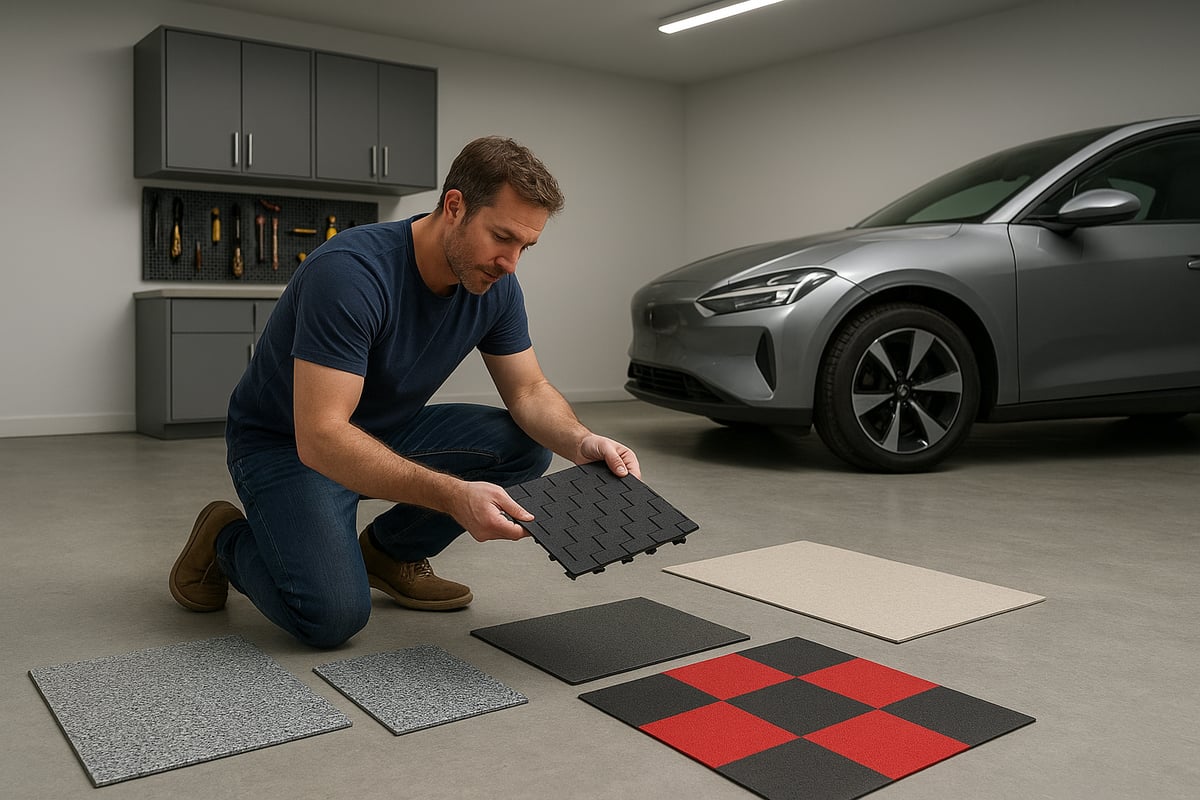
Finally, request product samples or utilize 3D design tools to visualize how your new garage floor flooring will look. Handling samples allows you to assess texture, color, and quality firsthand. Many suppliers now offer online floor designers, enabling you to experiment with different layouts and combinations.
Visualizing your space before purchase helps avoid costly mistakes and ensures your new floor complements both your garage and home design. Take your time exploring options so you can confidently move forward with your flooring transformation.
Elite Modular Flooring: Premium Modular Garage Floor Tiles
Elite Modular Flooring stands at the forefront of garage floor flooring solutions in the UK, serving as the national installer and authorised dealer for Swisstrax modular flooring. Their premium range includes Ribtrax Pro, Ribtrax Smooth Pro, and Vinyltrax Pro, offering over 20 vibrant colours and multiple surface textures. This level of choice allows homeowners and businesses to customise their garage floor flooring for both function and style.
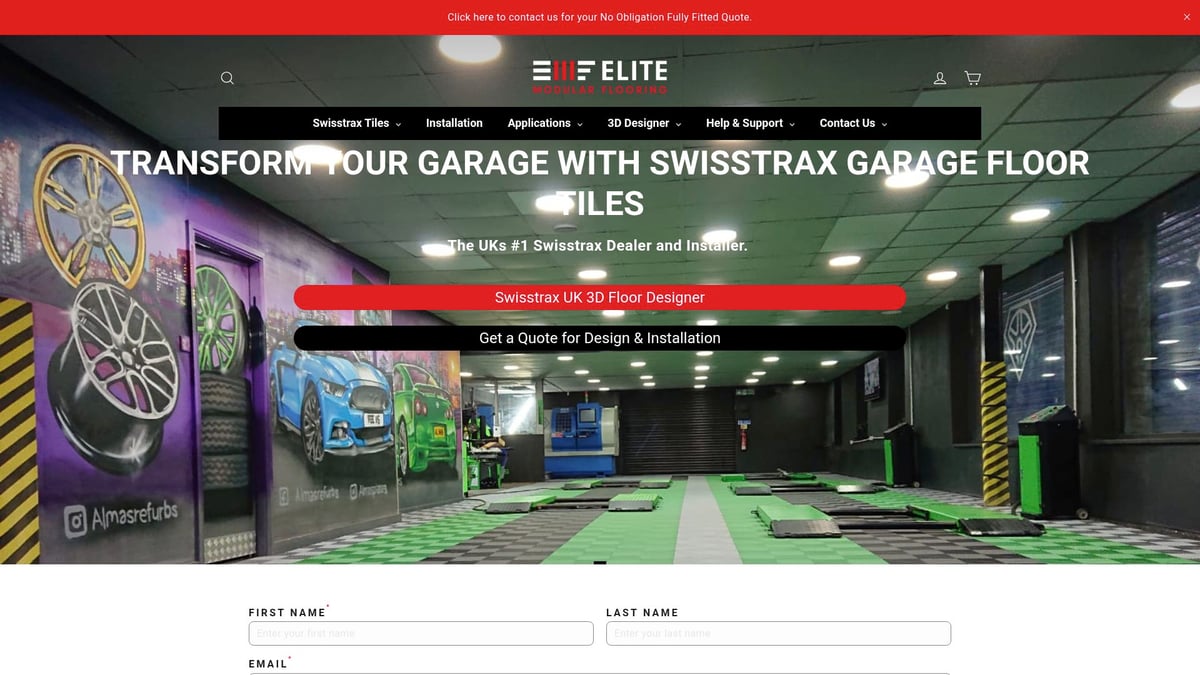
What sets Elite Modular Flooring apart is their commitment to quality and convenience. Their garage floor flooring tiles are engineered for extreme durability, resisting chemicals, stains, and heavy loads. Advanced drainage channels help prevent water buildup, while the interlocking system makes installation straightforward. For those considering a hands-on approach, the company provides guidance and resources, such as their DIY Garage Floor Installation Tips, to support a smooth process. Alternatively, their professional white-glove installation service guarantees a flawless result, ensuring your garage floor flooring is perfectly fitted.
Elite Modular Flooring’s solutions are suitable for a variety of settings, including residential garages, commercial showrooms, gyms, and event spaces. With transparent pricing—Ribtrax Pro tiles start at £6.99 each and installation from £300 per project—clients receive clear value for their investment. Each garage floor flooring installation is backed by robust warranties and expert customer support, giving peace of mind for years to come. The free 3D Floor Designer tool empowers you to visualise and personalise your space before making a decision.
Installation Insights: DIY vs. Professional Garage Flooring
Choosing the right installation approach for your garage floor flooring can make all the difference in both appearance and performance. Whether you are considering a hands-on DIY project or prefer the precision of professional installers, understanding the key steps and potential pitfalls will help you achieve the best results for your garage.
DIY Installation: What to Expect
DIY installation of garage floor flooring is increasingly popular, especially with modular tile and roll-out vinyl systems. Homeowners often choose this route for its convenience and cost savings. The process typically involves minimal tools: a rubber mallet, tape measure, and utility knife are usually sufficient for most tile installations.
For a single-car garage, modular garage floor flooring tiles can be laid out and snapped together in as little as one to two hours. Roll-out vinyl is even faster, simply unrolling and trimming to fit. These methods are well suited for those wanting to upgrade their space without major disruption.
The main advantages of DIY garage floor flooring installation include lower labor costs, flexible scheduling, and the satisfaction of a personal project. However, there are trade-offs. Improper alignment, missed subfloor preparation, or failing to leave expansion gaps can compromise both function and appearance. Some warranties may also be limited for self-installed floors.
Swisstrax modular tiles are a great example, as they require no adhesives and can be installed directly over existing concrete. With careful planning and attention to detail, many homeowners can achieve a professional look on their own.
Professional Installation: When to Hire Experts
While DIY is appealing, professional installation of garage floor flooring is the preferred choice for many, especially for large garages, complex layouts, or when using advanced materials like epoxy coatings. Professionals bring expertise, ensuring every detail meets manufacturer standards and safety regulations.
A key benefit of hiring experts is the flawless finish that comes with years of experience. Installers handle all aspects, including subfloor preparation, moisture testing, and custom design work. This is especially important for epoxy systems, which require precise application and curing to achieve maximum durability.
Costs for professional garage floor flooring installation vary by material and project size. For modular tile systems, expect labor charges starting from £300 per project. Epoxy coatings typically range from £25 to £40 per square meter, reflecting the skill and time involved. Many companies, such as Elite Modular Flooring, offer nationwide service and comprehensive warranties for peace of mind.
When considering professional installation, it is wise to review official UK Workplace Flooring Safety Regulations to ensure your garage meets the latest standards for slip resistance and fire safety. This approach is ideal for homeowners seeking long-term value, minimal hassle, and guaranteed results.
Common Installation Mistakes to Avoid
Even the best garage floor flooring can underperform if not installed correctly. Common errors include skipping subfloor cleaning and leveling, which leads to uneven surfaces and premature wear. Moisture testing is another step often overlooked, risking adhesive failure or coating delamination.
Incorrect tile orientation or forgetting expansion gaps can cause buckling or separation as temperatures change. Rushing the process, especially with coatings, may result in inadequate curing and reduced lifespan. For modular systems, improper spacing between tiles can interfere with drainage and cause warping.
To maximize the performance of your garage floor flooring, always follow manufacturer instructions and use recommended tools. Take time to inspect each step, and do not hesitate to consult professionals for complex projects. Regular maintenance and prompt attention to repairs will also help keep your floor looking its best for years to come.
Maintenance & Longevity: Keeping Your Garage Floor Looking Great
Keeping your garage floor flooring in prime condition is more than just an aesthetic choice. Proper maintenance ensures durability, safety, and a lasting return on your investment. Let us explore the essential steps to keep your surface looking and performing its best year after year.
Cleaning and Routine Care
Regular cleaning is crucial for any garage floor flooring. Sweep or vacuum debris weekly to prevent grit from scratching the surface. For modular tiles and roll-out vinyl, mop with a pH-neutral solution monthly to maintain their finish. Epoxy and polyaspartic coatings benefit from occasional pressure washing, especially in high-traffic zones.
Opt for non-abrasive cleaners to avoid dulling the surface. Avoid harsh solvents, especially on vinyl or painted floors. For a deeper look at how cleaning routines fit into the latest 2026 home design trends and epoxy flooring, consider how modern products are designed for easy upkeep.
Repair and Replacement Tips
Addressing issues early is key to extending the life of your garage floor flooring. For modular tiles, replace individual damaged pieces instead of the entire floor. This makes repairs fast and cost-effective. Epoxy or polyaspartic coatings may develop chips or scratches over time; patch these areas with compatible repair kits to maintain integrity.
Concrete sealers and paints often require spot touch-ups, especially in high-traffic spots. Always clean and dry the area thoroughly before applying new coatings. Promptly dealing with stains, tire marks, and chemical spills prevents permanent damage and keeps garage floor flooring looking new.
Maximising Floor Lifespan
To get the most from your garage floor flooring, use mats or runners in high-impact areas like entryways or under vehicles. These protect from abrasion and spills. Conduct regular visual inspections for signs of wear, warping, or delamination. Early detection means easier, less expensive fixes.
Choosing quality materials and following manufacturer maintenance guidelines can extend the lifespan of garage floor flooring to 15-20 years or more. For broader insights, review global flooring market trends 2026-2031 to see how longevity is driving innovation in this sector.
Seasonal Maintenance Advice
Seasonal shifts require special attention for your garage floor flooring. In winter, manage salt and moisture by placing absorbent mats at entrances and cleaning up water quickly to avoid slippery surfaces. During summer, protect exposed floors from UV rays by using window coverings or UV-resistant coatings.
Adjust your cleaning frequency based on weather. Wet or muddy seasons may require more frequent sweeps and mopping. With these habits, your garage floor flooring will remain safe, attractive, and functional throughout every season.
Future Trends: Innovations Shaping Garage Flooring in 2026
Transformations in garage floor flooring are accelerating in 2026, driven by technology, sustainability, and evolving homeowner needs. The modern garage is now a multi-purpose space, and flooring innovations are keeping pace with these dynamic demands.
Smart and Sustainable Flooring Solutions
The push for smarter, greener garages is reshaping garage floor flooring. Manufacturers are embedding temperature and humidity sensors directly into modular tiles, enabling real-time monitoring and maintenance alerts via mobile apps. These smart floors help protect both vehicles and equipment by ensuring optimal conditions.
Eco-friendly materials are now a top priority. Floors made from recycled polymers and low-VOC coatings are standard options. Sustainable manufacturing processes and modular flooring systems with improved drainage and ventilation are tailored for electric vehicle charging stations, supporting both environmental responsibility and modern convenience.
For a deeper dive into how smart technology and sustainability are influencing garage design and flooring, see Garage Design Trends for 2026.
Advanced Customisation and Design
Customisation is a defining trend in garage floor flooring this year. Homeowners can now select from 3D printed tile patterns, custom logo inlays, and a spectrum of new colorways to create a personalised space. Augmented reality tools allow users to visualise their chosen flooring before making a purchase, reducing guesswork and ensuring design satisfaction.
This level of customisation extends to both form and function, with modular systems enabling unique layouts that reflect individual style, brand, or practical needs.
Enhanced Performance Features
Performance improvements are setting new standards for garage floor flooring durability and safety. The latest modular tiles are engineered for maximum slip resistance and feature anti-fatigue properties, making them comfortable for standing during workouts or extended projects.
Sound dampening technology is also on the rise, reducing noise from foot traffic and dropped tools. New-generation tiles are rated to withstand loads of over 5 tons per square meter, meeting the needs of heavy-duty garages and commercial spaces.
Market Data and Consumer Preferences
Recent market data reveals that modular tiles now account for 40 percent of new garage floor flooring installations in the UK as of 2025. This surge is driven by demand for quick-install, low-maintenance solutions that deliver long-term value. Homeowners increasingly prioritise ease of cleaning, stain resistance, and the ability to refresh or replace individual sections as needed.
The table below summarises key features driving consumer choices:
| Feature | Importance in 2026 | Most Popular Solution |
|---|---|---|
| Durability | Very High | Modular Tiles |
| Easy Installation | High | Roll-Out Vinyl |
| Customisation | High | Modular Tiles |
| Eco-Friendliness | Growing | Recycled Polymers |
Expert Predictions for the Next Five Years
Looking ahead, experts anticipate continued growth in modular and hybrid garage floor flooring systems. There will be an increased focus on health, safety, and environmental impact, with manufacturers investing in low-emission materials and enhanced fire safety ratings.
As garages become more integrated with smart home ecosystems, flooring will play a key role in supporting electric mobility, home fitness, and creative uses. Homeowners can expect more innovation, greater choice, and flooring solutions that adapt to their evolving lifestyles.
Now that you have a clear picture of the top garage flooring options, the latest innovations, and what to look for in 2026, you’re ready to make a confident choice for your garage transformation. Whether you want a durable surface for your home gym, a professional finish for your showroom, or simply a clean, stylish space, selecting the right modular tiles can make all the difference. If you’re looking for tailored advice or want to see how much your project might cost, I recommend getting started with a Quick Quote.

