

Best Garage Tiles: Complete 2026 Buying Guide

Transforming your garage from a cold, stained concrete space into a functional, attractive area requires the right flooring solution. Whether you're creating a workshop, home gym, showroom, or simply want to protect your investment, selecting the best garage tiles can dramatically improve both aesthetics and performance. With numerous options available in 2026, understanding the key differences between materials, installation methods, and long-term value helps you make an informed decision that matches your specific needs and budget.
Understanding Modular Garage Tile Systems
Modular garage tiles represent a significant advancement over traditional coating methods. These interlocking systems offer immediate usability, requiring no curing time or special surface preparation beyond basic cleaning. The installation process is straightforward, making these tiles accessible for both DIY enthusiasts and professional installations.
Material Composition and Durability
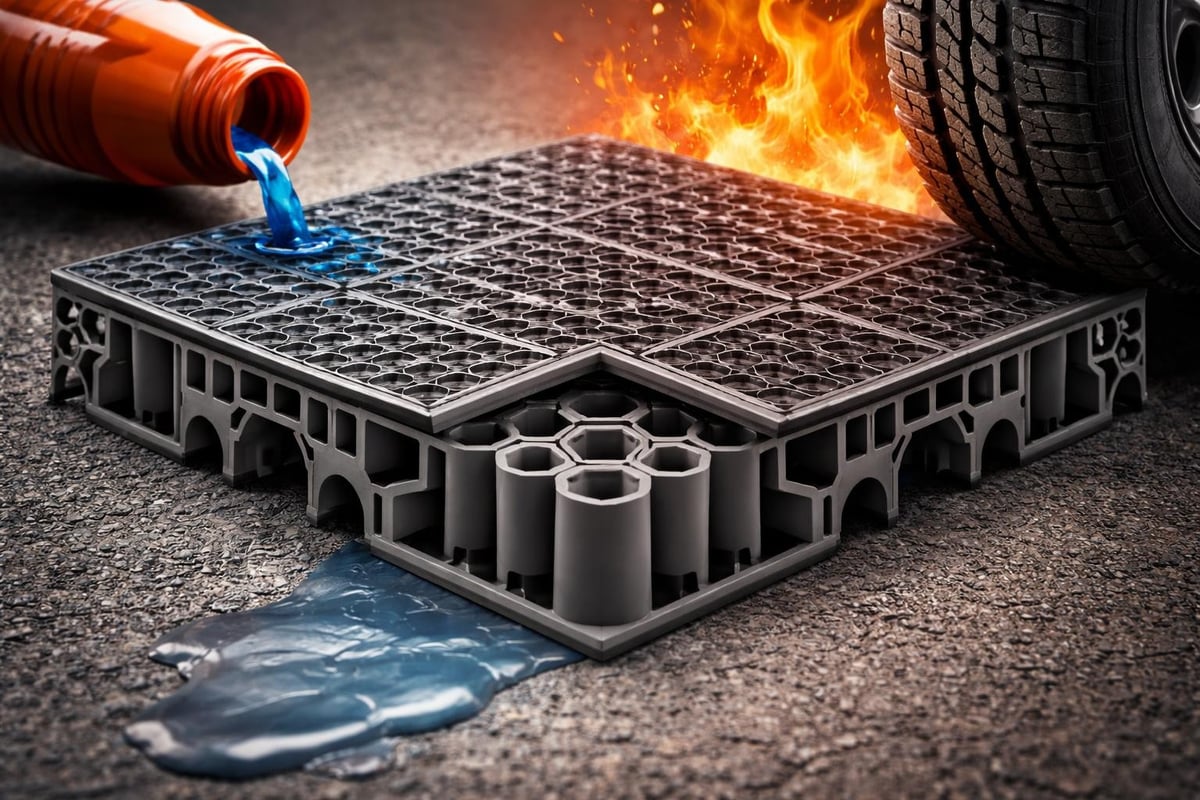
The best garage tiles are manufactured from high-grade polypropylene copolymer, a material specifically engineered to withstand extreme temperature fluctuations, heavy loads, and chemical exposure. This thermoplastic polymer provides exceptional impact resistance while maintaining flexibility across seasons.
Key material benefits include:
- Resistance to automotive fluids, including oils, gasoline, and coolants
- UV stability that prevents fading and brittleness
- Temperature tolerance from -30°F to 140°F
- Load-bearing capacity exceeding 75,000 pounds per square foot
- Chemical resistance superior to epoxy coatings
The manufacturing process involves precision molding that creates consistent tile dimensions and locking mechanisms. Quality manufacturers use virgin materials rather than recycled plastics, ensuring structural integrity and longevity. When comparing various garage flooring types, modular tiles stand out for their immediate installation and reversibility.
Installation Advantages Over Coatings
Unlike epoxy or polyaspartic coatings, modular tiles require no surface etching, moisture testing, or environmental controls. You can drive on your new floor within minutes of completion. The interlocking design creates a floating floor system that accommodates minor concrete imperfections without telegraphing through the surface.
Professional installation typically takes one to two days for an average two-car garage, while DIY projects can be completed over a weekend. The Swisstrax tiles from Elite Modular Flooring feature a proprietary connection system that ensures uniform gaps and prevents tile separation under load.
Types of Garage Tile Designs
Modern garage tiles come in several distinct surface patterns, each optimized for specific applications and aesthetic preferences. Understanding these variations helps you select the best garage tiles for your intended use.
Ribbed Surface Tiles
Ribbed patterns provide excellent traction while channeling liquids away from the walking surface. The raised parallel ribs create air pockets that promote drainage and prevent standing water. This design works exceptionally well in regions with snow and ice, as melting water flows beneath vehicles without pooling.
RibTrax Pro tiles offer a distinctive look that complements sports cars and modern garage aesthetics. The aggressive tread pattern hides dirt and tire marks better than smooth surfaces while maintaining easy cleaning with a standard shop vacuum or hose.
Smooth Surface Options
For showroom-quality finishes, smooth-top tiles deliver a sleek, contemporary appearance. These tiles work particularly well in climate-controlled garages or multipurpose spaces where rolling equipment is common. The RibTrax Smooth Pro provides the same structural benefits as ribbed versions while offering a refined aesthetic.
Smooth tiles are ideal for:
- Collector car garages and showrooms
- Home gyms requiring equipment mobility
- Workshops with rolling toolboxes
- Exhibition spaces and event venues
- Retail environments
Vinyl-Topped Composite Tiles
The VinylTrax Pro system combines a polypropylene base with a durable vinyl wear layer, creating a hybrid solution. This construction delivers superior sound dampening and a more refined appearance while maintaining the structural benefits of modular tiles.
| Tile Type | Best For | Traction | Maintenance | Aesthetic |
|---|---|---|---|---|
| Ribbed | High-moisture environments | Excellent | Low | Sporty |
| Smooth | Showrooms, gyms | Good | Very Low | Premium |
| Vinyl-Top | Multipurpose spaces | Very Good | Low | Sophisticated |
Color Selection and Design Customization
Color choice significantly impacts the perceived size, cleanliness, and character of your garage space. The best garage tiles come in extensive color palettes that enable creative pattern development and functional zoning.
Standard Color Options
Most manufacturers offer 8-12 standard colors ranging from classic black and gray to vibrant reds, blues, and yellows. These colors maintain UV stability and resist fading even in garages with significant sunlight exposure. Lighter colors brighten spaces and show dirt more readily, while darker tones hide stains but can make spaces feel smaller.
When reviewing garage flooring options, consider how color affects ambient light reflection. Pearl white and light gray tiles can increase perceived brightness by up to 30% compared to dark concrete, potentially reducing lighting requirements.
Custom Pattern Development
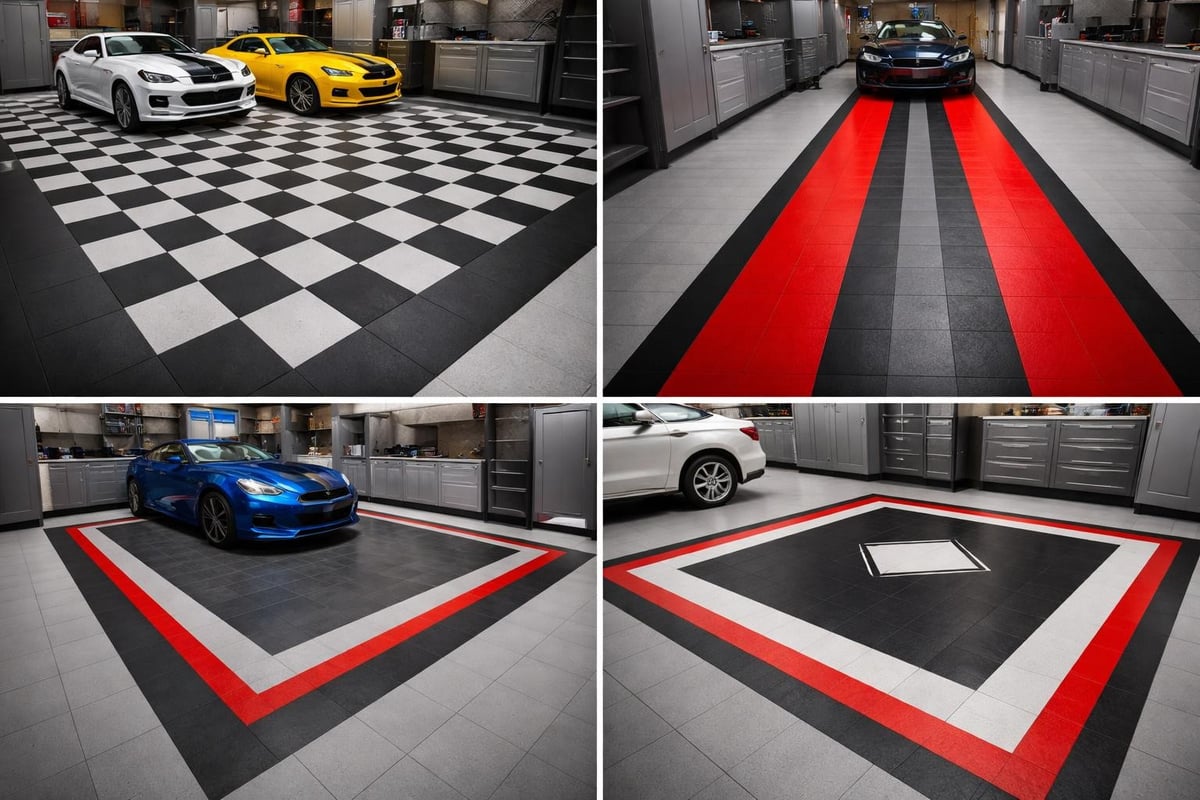
Beyond solid colors, you can create racing stripes, checkerboard patterns, borders, and logos using different colored tiles. The modular nature allows unlimited design creativity without special tools or skills. Professional installers can recreate brand logos, family crests, or custom graphics using the GraphTicTrax custom logo system.
Performance Characteristics and Testing
Understanding how garage tiles perform under real-world conditions helps you identify the best garage tiles for your specific environment. Leading manufacturers conduct rigorous testing to validate their specifications.
Load Capacity and Vehicle Weight
Premium modular tiles support load ratings from 25,000 to over 100,000 pounds per square foot, depending on design and thickness. For reference, a fully loaded one-ton pickup truck exerts approximately 2,500 pounds per tire contact patch. Even the heaviest consumer vehicles fall well within the safe operating range of quality tiles.
The interlocking system distributes loads across multiple tiles, preventing individual tile failure. This load-sharing characteristic makes modular systems more resilient than rigid coatings, which can crack under point loads.
Chemical Resistance Testing
Automotive environments expose flooring to numerous chemicals. According to comprehensive garage flooring comparisons, high-quality polypropylene tiles resist:
- Motor oil and transmission fluid
- Brake fluid and power steering fluid
- Gasoline and diesel fuel
- Antifreeze and coolant
- Battery acid
- Common cleaning chemicals
- De-icing salts
Laboratory testing involves 24-hour exposure to these substances at room temperature, with no staining or surface degradation on premium tiles.
Temperature Cycling and Freeze-Thaw Performance
Garages experience dramatic temperature swings, particularly in northern climates. The best garage tiles maintain structural integrity through repeated freeze-thaw cycles without becoming brittle or warping. The expansion joints created by the interlocking system accommodate thermal expansion and contraction that would crack rigid coatings.
Cost Analysis and Long-Term Value
Initial investment represents only part of the total ownership equation. When evaluating the best garage tiles, consider installation costs, maintenance requirements, and expected lifespan.
Upfront Investment Comparison
Modular garage tile systems typically cost between $4 and $12 per square foot for materials alone, with professional installation adding $2 to $5 per square foot. This positions them between basic epoxy coatings and premium polyaspartic systems in terms of upfront cost.
| Flooring Type | Material Cost/sq ft | Installation Cost/sq ft | Total Cost/sq ft |
|---|---|---|---|
| Basic Epoxy | $1-3 | $2-4 | $3-7 |
| Modular Tiles | $4-12 | $2-5 | $6-17 |
| Premium Coating | $5-8 | $4-8 | $9-16 |
| Polished Concrete | $3-6 | $5-10 | $8-16 |
The professional installation services from Elite Modular Flooring ensure proper edge transitions, pattern alignment, and permanent adhesion where required.
Maintenance Cost Considerations
Modular tiles require minimal ongoing maintenance. Regular sweeping or vacuuming, occasional mopping with mild detergent, and immediate spill cleanup constitute the complete maintenance protocol. There's no need for resealing, recoating, or special cleaners.
Over a 20-year lifespan, maintenance costs for modular tiles typically run 60-70% lower than coating systems that require periodic reapplication. The tiles never need refinishing, eliminating the $3-5 per square foot recoating expense every 5-7 years.
Return on Investment Factors
When selling a home, professionally installed garage flooring can return 50-75% of the investment through increased property value and faster sale times. Buyers consistently rank finished garage spaces as desirable features, particularly in markets where garages serve multiple purposes beyond vehicle storage.
Installation Process and DIY Feasibility
One advantage of the best garage tiles is their accessibility for DIY installation. However, understanding the process helps you decide between self-installation and professional services.
Pre-Installation Preparation
Surface preparation for modular tiles is straightforward compared to coatings. The concrete should be:
- Swept clean of debris and loose material
- Free of major flaking or active moisture issues
- Reasonably level (within 1/4 inch over 10 feet)
- Dry to the touch
Oil stains don't require removal, though degreasing improves aesthetics. Cracks up to 1/4 inch wide typically don't affect tile performance, as the floating floor system bridges minor imperfections. According to expert reviews on garage flooring, this minimal preparation represents a significant time and cost saving.
Step-by-Step Installation
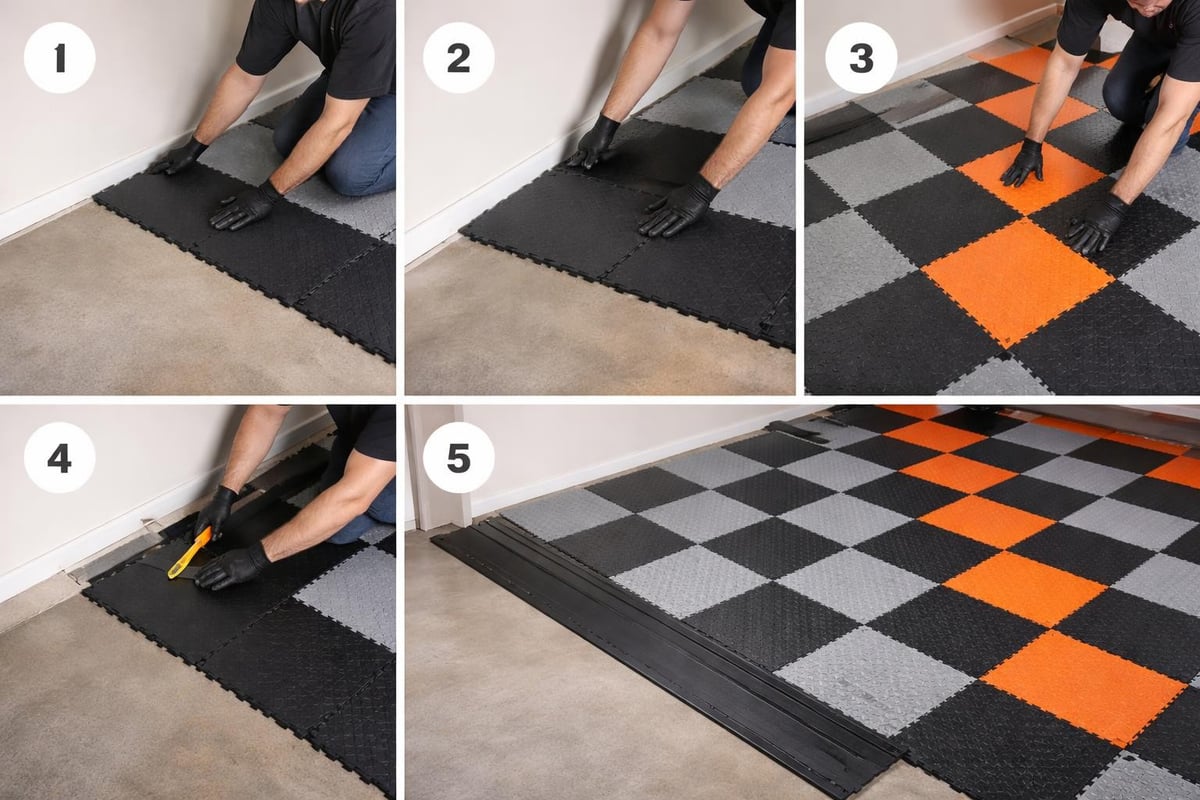
The installation begins in one corner, typically the most visible area. Tiles snap together using integrated connection tabs that require only hand pressure or a rubber mallet. Most installers can complete 200-300 square feet per hour once they establish a rhythm.
Critical installation steps include:
- Starting with square corners using layout strings
- Maintaining consistent seam alignment
- Cutting perimeter tiles with a circular saw or tile cutter
- Installing edge ramps for smooth transitions
- Checking pattern alignment every few rows
The DIY installation resources provide detailed guidance, including video tutorials and technical support. For complex patterns or large areas, professional installation ensures optimal results and often includes warranty benefits.
Tools and Time Requirements
A basic installation requires minimal tools: measuring tape, chalk line, circular saw (for cuts), and a rubber mallet. Most two-car garages (400-500 square feet) can be completed in 6-10 hours by two people with no prior experience.
Professional Installation Benefits
While DIY installation is feasible, professional services offer distinct advantages that may justify the additional cost for certain projects.
Expertise and Efficiency
Experienced installers complete projects faster and with fewer errors. They understand substrate issues, proper edge transitions, and optimal layout patterns. Professional teams can typically install 1,000-1,500 square feet daily, minimizing disruption to your garage use.
Warranty and Quality Assurance
Many manufacturers extend warranty coverage or offer enhanced terms when tiles are professionally installed. The warranty coverage from Elite Modular Flooring includes installation workmanship guarantees when using their certified installers, protecting your investment beyond the product warranty.
Professional installers also handle edge details, custom cuts around drains or posts, and pattern alignment with precision that affects the final appearance. Their expertise becomes particularly valuable in complex layouts or spaces with unusual configurations.
Comparing Tiles to Alternative Flooring Solutions
Understanding how the best garage tiles stack up against other flooring options helps validate your decision. Each solution has distinct advantages and limitations.
Tiles Versus Epoxy Coatings
Epoxy coatings offer seamless appearance and lower material costs but require extensive surface preparation, curing time, and eventual recoating. Reviews of garage floor protection options highlight durability concerns with DIY epoxy kits, which often peel or yellow within 3-5 years.
Modular tiles provide immediate usability, superior chemical resistance, and easier repairs. If a tile sustains damage, you can replace individual tiles without affecting surrounding areas. Epoxy damage requires full section removal and recoating, often with visible patch lines.
Tiles Versus Rubber Mats
Rubber roll-out mats cost less initially but lack the structural rigidity and professional appearance of interlocking tiles. Mats can shift under vehicles, trap moisture underneath, and develop permanent indentations from jack stands or heavy equipment.
The dimensional stability of polypropylene tiles prevents warping and maintains uniform appearance throughout their lifespan. The open-joint system also allows moisture vapor transmission, preventing trapped condensation that can occur under rubber mats.
Tiles Versus Polished Concrete
Polished concrete creates beautiful, durable floors but requires professional equipment and expertise. The process involves grinding, densifying, and polishing, which generates significant dust and takes multiple days. While polished concrete never needs replacement, it offers limited design flexibility and can be cold and hard underfoot.
Modular tiles provide thermal insulation, sound dampening, and cushioning that concrete lacks. The slight flex in the tiles reduces fatigue during extended standing and provides a more forgiving surface if tools are dropped.
Specialized Applications and Use Cases
The versatility of the best garage tiles extends beyond traditional garage environments. Their performance characteristics make them suitable for various commercial and residential applications.
Automotive Showrooms and Dealerships
High-end automotive facilities increasingly specify modular tiles for their appearance, durability, and ease of reconfiguration. The tiles create a professional presentation environment while protecting valuable floor space from chemical spills and tire marks.
Custom logo integration allows dealerships to incorporate branding directly into their floors, creating a cohesive brand experience. The ability to reconfigure layouts accommodates changing inventory displays without permanent modifications.
Home Gyms and Fitness Areas
The cushioning properties of modular tiles reduce impact stress during exercise while protecting concrete from dropped weights. The open-joint design allows air circulation and prevents moisture accumulation from perspiration.
Smooth-top tiles work particularly well for areas with cardio equipment or where rolling benches are common. The vinyl-topped systems provide additional sound dampening, important for homes where the gym shares walls with living spaces.
Workshop and Hobby Spaces
Craftspeople appreciate the chemical resistance and easy cleanup that tiles provide. Spilled finishes, glues, paints, and solvents wipe clean without staining or degrading the surface. The anti-fatigue properties reduce physical stress during extended projects.
The modular nature also allows partial floor replacement if sections become heavily worn or damaged by grinding operations, welding slag, or chemical exposure.
Making Your Selection Decision
Choosing the best garage tiles requires balancing multiple factors including budget, aesthetics, performance requirements, and installation preferences.
Evaluating Your Specific Needs
Start by defining your primary garage functions. A vehicle storage garage has different requirements than a workshop, showroom, or multipurpose space. Consider factors like:
- Climate conditions and temperature extremes
- Expected chemical exposure types
- Vehicle weight and traffic patterns
- Aesthetic preferences and design vision
- Budget constraints and financing options
The gallery of completed installations provides inspiration and demonstrates how different tile types perform in various settings.
Sample Testing and Material Comparison
Reputable suppliers offer sample tiles that allow you to evaluate materials firsthand. The Swisstrax Sample Tile Kit includes multiple surface patterns and colors, enabling you to test the interlocking mechanism, assess visual impact, and verify color accuracy.
Physical samples reveal qualities that photos cannot convey, including surface texture, rigidity, and connection strength. Testing samples in your actual garage lighting helps ensure color selection meets your expectations.
Utilizing Design Tools
Modern tile suppliers provide digital design tools that visualize your finished floor. The 3D floor designer allows you to input garage dimensions, select tile types and colors, and preview pattern options before purchasing.
These tools calculate exact tile quantities, reducing waste and ensuring you order sufficient materials including edge pieces, corners, and accessories. The visualization also helps identify potential design issues before installation begins.
Understanding Accessories and Edge Treatments
Complete installations require more than field tiles. Edge treatments, transition ramps, and corner pieces ensure professional results and safe, attractive perimeter details.
Ramp Edge Systems
Ramp edges create smooth transitions from tile surfaces to adjacent concrete, preventing tripping hazards and allowing equipment to roll on and off easily. Two primary systems exist: pegged and looped.
Pegged ramp edges connect directly to perimeter tiles, creating a secure, integrated border. Looped ramp edges attach to the concrete perimeter using adhesive, providing an even lower profile transition.
Corner Edge Solutions
Corner edge pieces complete the perimeter system at garage entrances and interior corners. These specialized components match the ramp edge profile while accommodating 90-degree angles, ensuring consistent appearance around the entire floor.
Proper edge treatment distinguishes professional installations from amateur attempts. The edges prevent tile migration, contain the floor system, and provide finished appearance comparable to permanently installed flooring.
Selecting the best garage tiles transforms your space into a functional, attractive environment that protects your investment while enhancing usability. By understanding material properties, installation requirements, and long-term performance characteristics, you can confidently choose a flooring solution that meets your specific needs. Elite Modular Flooring provides expert guidance, premium Swisstrax products, and professional installation services nationwide to help you achieve exceptional results. Whether you're upgrading a home garage or outfitting a commercial facility, their team delivers the expertise and quality materials necessary for lasting satisfaction.

