

Polypropylene Garage Floor Tiles: Complete Guide 2026

Polypropylene garage floor tiles have revolutionized how property owners approach garage flooring, offering a superior alternative to traditional epoxy coatings and concrete sealers. These modular interlocking systems deliver exceptional durability, chemical resistance, and aesthetic versatility while requiring minimal maintenance. However, not all polypropylene tiles are created equal. The manufacturing process, material quality, and engineering design separate premium solutions from cheap imitations that flood the market. Understanding these differences is essential for making an informed investment that will last decades rather than years.
Understanding Polypropylene as a Flooring Material
Polypropylene stands as one of the most versatile thermoplastic polymers in modern manufacturing. Its unique molecular structure provides remarkable resistance to chemical damage, moisture penetration, and temperature fluctuations. When properly formulated for flooring applications, polypropylene delivers a combination of flexibility and rigidity that makes it ideal for environments subjected to heavy loads, frequent impacts, and harsh conditions.
Material Properties and Performance Characteristics
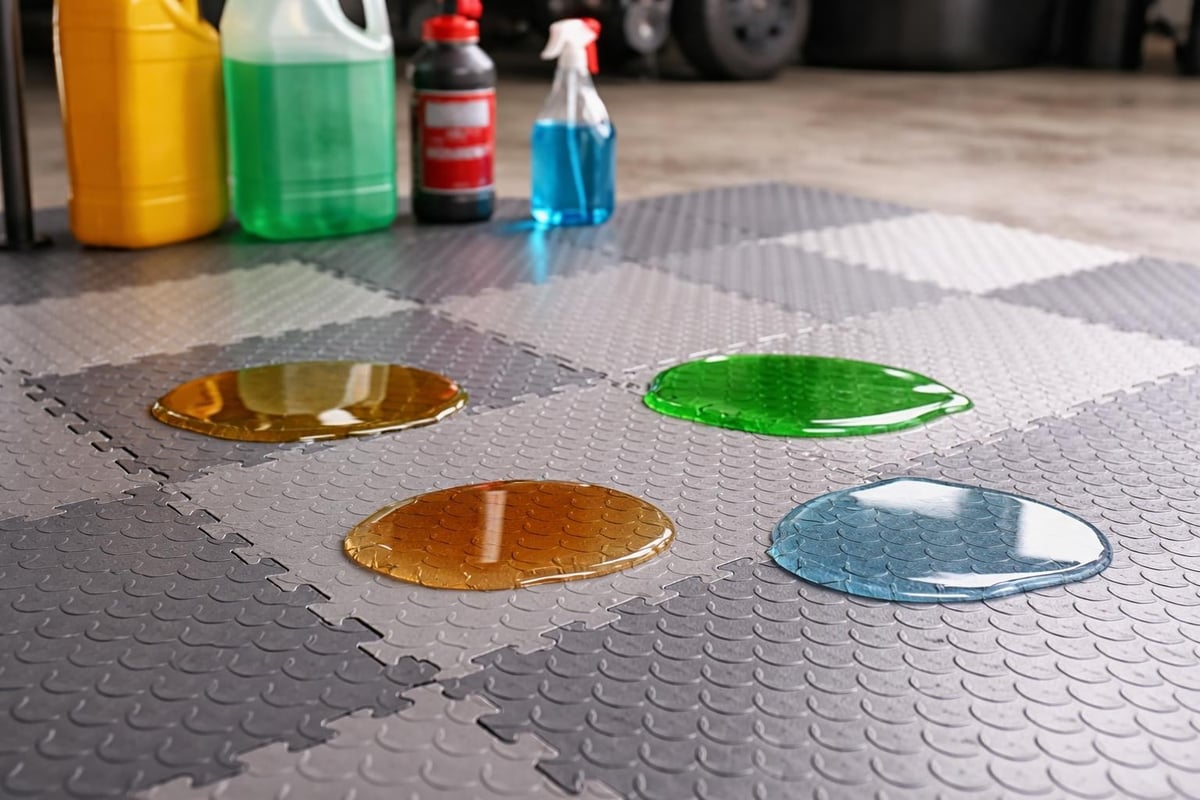
The cellular structure of polypropylene allows it to absorb and distribute impact forces effectively, protecting both the tile surface and the concrete substrate beneath. This material naturally resists automotive fluids, including oil, gasoline, brake fluid, and antifreeze, preventing staining and deterioration that plagues other flooring options.
Key performance advantages include:
- Chemical resistance exceeding 95% against common automotive and household substances
- Temperature tolerance ranging from -40°F to 248°F without structural degradation
- UV stability that prevents color fading and material brittleness
- Low moisture absorption rate of less than 0.01% ensuring dimensional stability
- High impact strength that withstands dropped tools and heavy equipment
Quality polypropylene formulations incorporate specific additives and stabilizers that enhance long-term performance. The best garage flooring solutions utilize virgin polypropylene rather than recycled materials, ensuring consistent quality and predictable performance characteristics.
Manufacturing Process: Quality Distinguishes Premium from Imitation
The manufacturing methodology employed in creating polypropylene garage floor tiles dramatically impacts their performance, longevity, and reliability. Swisstrax pioneered the four-point injection molding process, representing a quantum leap in tile manufacturing that cheap imports cannot replicate.
Four-Point Injection Molding Technology
Traditional tile manufacturing uses single-point or two-point injection systems where molten polypropylene enters the mold from limited entry points. This approach creates inconsistent material density, trapped air pockets, and weak zones within the tile structure. Swisstrax's proprietary four-point system eliminates these deficiencies entirely.
The four injection points ensure uniform material distribution throughout the mold cavity. Air displacement occurs systematically, preventing voids and ensuring consistent wall thickness across every section of the tile. This results in polypropylene garage floor tiles with exceptional structural integrity and predictable load-bearing capacity.
| Manufacturing Aspect | Swisstrax Four-Point System | Standard Single/Dual Point |
|---|---|---|
| Material Distribution | Uniform across entire tile | Inconsistent with thin spots |
| Air Pocket Formation | Eliminated through design | Common defect issue |
| Structural Strength | 25,000+ PSI rating | Variable 8,000-15,000 PSI |
| Quality Consistency | Batch-to-batch precision | Significant variation |
| Warranty Coverage | Lifetime residential | Limited or none |
Chinese-manufactured tiles that superficially resemble premium products utilize outdated production techniques and inferior polypropylene grades. These imitations may initially appear similar but fail rapidly under real-world conditions. Stress cracks, warping, and discoloration typically manifest within 12-24 months when subjected to garage environments.
Precision Engineering and Design Innovation
Beyond material injection, mold design itself determines tile performance. Swisstrax invests heavily in engineering tile geometries that optimize strength-to-weight ratios while providing functional advantages like drainage channels and debris management. According to ArmorPoxy's analysis of interlocking floor tiles, the connection system engineering proves just as critical as the tile body itself.
Premium polypropylene garage floor tiles feature reinforced connection points designed to withstand lateral forces, thermal expansion, and repeated disconnection cycles. The locking mechanisms maintain tight seams that prevent debris infiltration while allowing individual tile replacement when necessary.
Installation Advantages and Versatility
One compelling advantage of polypropylene garage floor tiles lies in their installation simplicity compared to permanent flooring solutions. Unlike epoxy coatings requiring extensive surface preparation, moisture testing, and multi-day curing periods, modular tiles install over virtually any solid surface.
Subfloor Compatibility and Preparation
Polypropylene tiles accommodate imperfect concrete surfaces that would compromise epoxy adhesion. Minor cracks, surface deterioration, and previous coating failures pose no obstacles to successful installation. The floating floor system distributes loads across multiple tiles, preventing individual substrate defects from affecting overall performance.
Minimal preparation requirements:
- Remove loose debris and surface contaminants with standard cleaning
- Ensure substrate is structurally sound without major heaving or settlement
- Verify adequate drainage if installing in areas prone to water accumulation
- Allow tiles to acclimate to installation environment temperature for 24 hours
- Begin installation from the most visible corner working systematically outward
The interlocking design allows precise pattern creation and custom layouts without specialized tools or adhesives. Professional installers can complete typical residential garages within 4-6 hours, while DIY enthusiasts manage installations over a weekend. This contrasts sharply with epoxy systems requiring 5-7 days from preparation through final curing before vehicle traffic can resume.
Pattern Customization and Design Flexibility
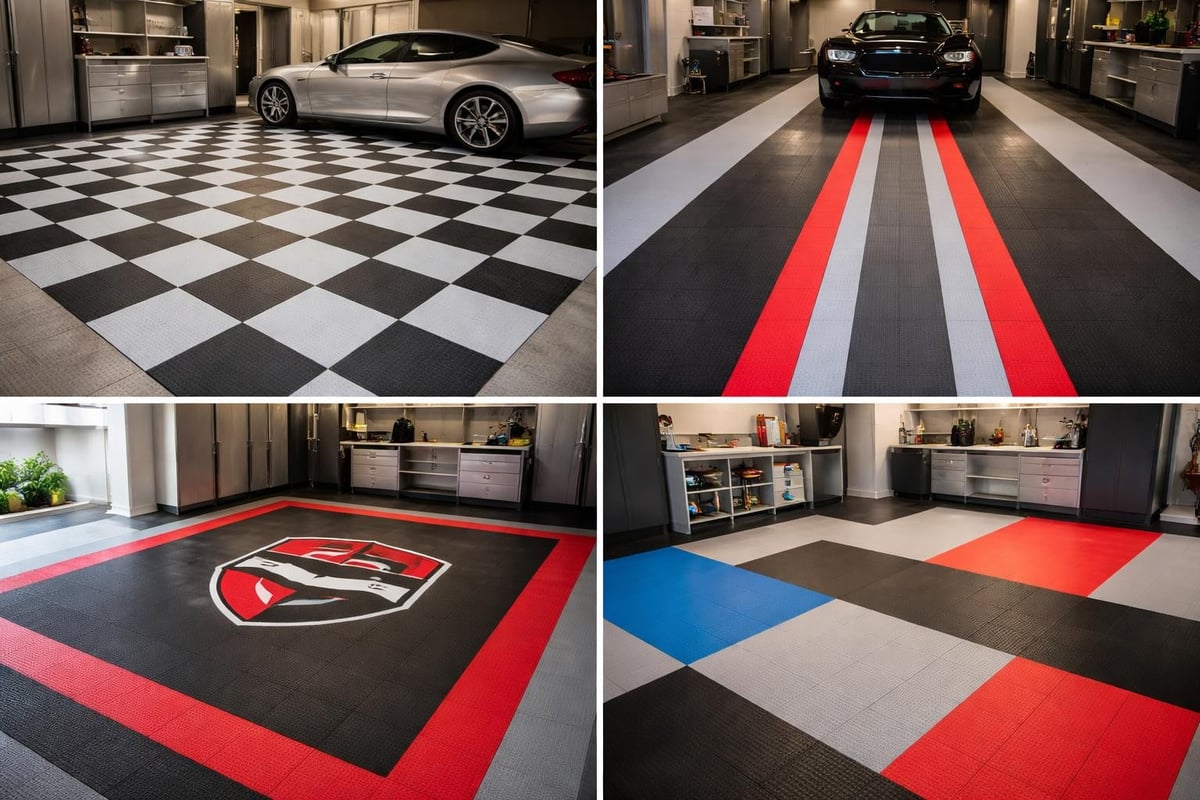
Polypropylene garage floor tiles enable creative pattern development limited only by imagination. Color combinations, geometric designs, and branded logos transform functional spaces into visual statements. The modular floor tiles approach allows iterative design changes without demolition or material waste.
Different tile styles within the same system create visual zones designating work areas, parking spaces, or equipment storage locations. This organizational capability proves particularly valuable in commercial settings where space optimization and safety compliance intersect.
Performance in Real-World Applications
Theoretical specifications mean nothing without proven real-world performance. Polypropylene garage floor tiles excel across residential, commercial, and industrial applications when manufactured to genuine quality standards.
Load-Bearing Capacity and Traffic Resistance
Properly engineered polypropylene tiles support vehicle loads exceeding 80,000 pounds per square foot when load distribution occurs across multiple tiles. Point loads from jack stands, vehicle lifts, and rolling toolboxes concentrate forces differently than distributed vehicle weight, requiring tiles engineered to handle both scenarios.
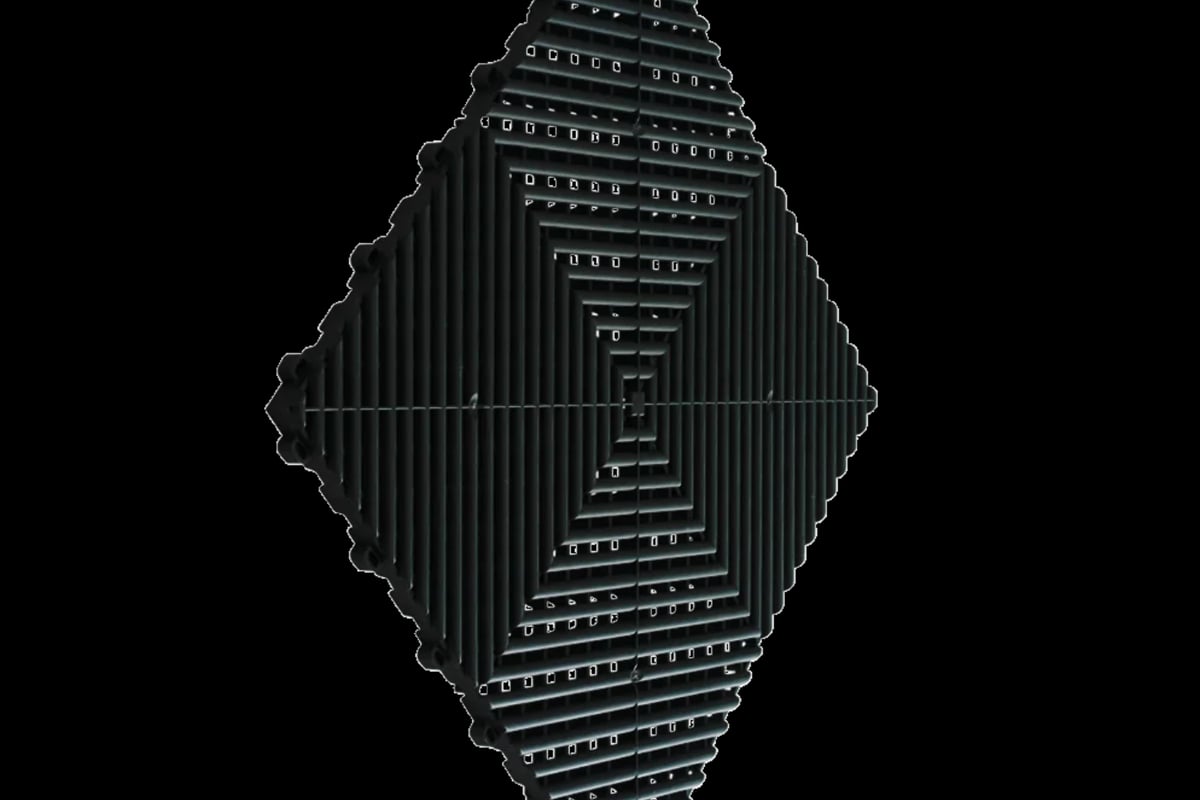
The Ribtrax Pro system, featuring the revolutionary four-point injection molding process, delivers unmatched strength for any garage application. The innovative channel design allows debris and fluids to drain beneath the tile surface, maintaining clean walking surfaces while protecting the substrate. This combination of structural integrity and practical functionality explains why discerning property owners choose Ribtrax Pro (Standard Colours) for demanding environments.
Rolling traffic from vehicles, motorcycles, and equipment generates lateral forces that stress tile connections. Premium polypropylene garage floor tiles maintain connection integrity through thousands of traffic cycles, while cheap alternatives develop gaps, lifted edges, and broken tabs.
Chemical Exposure and Maintenance Requirements
Garage environments expose flooring to aggressive chemicals regularly. Motor oil, transmission fluid, coolant, battery acid, de-icing salts, and cleaning solvents all contact floor surfaces. Polypropylene's inherent chemical resistance prevents absorption and staining when manufactured from quality virgin resin.
According to customer reviews of top-rated polypropylene options, maintenance requirements remain minimal compared to sealed concrete or epoxy surfaces. Routine cleaning involves simple sweeping or occasional hosing with water. Stubborn residues wipe clean with standard household cleaners without special protocols or protective equipment.
The open-grid design in quality tiles facilitates maintenance by allowing debris and liquids to pass through the surface. This self-cleaning characteristic prevents buildup and reduces slip hazards that accumulate on solid-surface floors.
Comparative Analysis: Tiles Versus Alternative Solutions
Understanding how polypropylene garage floor tiles compare against competing solutions helps property owners make informed decisions aligned with their specific requirements and expectations.
Epoxy Coating Systems
Epoxy remains popular despite significant limitations. Surface preparation demands meticulous execution, requiring mechanical grinding to achieve proper profile depth for adhesion. Moisture issues in concrete frequently cause epoxy delamination, creating unsightly bubbles and peeling sections. Temperature and humidity during application critically affect curing, making installation timing challenging. The comparison of garage tiles versus epoxy coatings reveals fundamental performance and longevity differences.
Epoxy disadvantages compared to polypropylene tiles:
- Permanent installation complicates substrate repairs or future modifications
- Hot tire pickup occurs when vehicles park on fresh epoxy before full cure completion
- UV exposure causes yellowing and gloss loss in non-UV-stable formulations
- Chemical resistance varies dramatically between product grades and application quality
- Repair sections rarely match original appearance, creating patchwork aesthetics
Sealed Concrete and Paint Systems
Basic concrete sealers and garage floor paints represent the most economical approach but deliver minimal performance enhancement. These thin-film coatings wear rapidly under traffic, requiring frequent reapplication. Chemical resistance remains poor, with staining occurring from common garage substances.
Paint systems chip and peel at stress points, creating progressively worse appearance as damage accumulates. Neither solution addresses concrete's inherent coldness, hardness, or dust generation. The garage flooring options comparison consistently positions quality modular tiles above coating systems for long-term value and performance.
Quality Recognition and Counterfeit Concerns
The market success of premium polypropylene garage floor tiles inevitably attracts counterfeiters producing superficially similar products at dramatically lower prices. These imitations compromise quality through inferior materials, outdated manufacturing, and absent engineering.
Identifying Genuine Quality Products
Chinese manufacturers produce tiles resembling authentic Swisstrax products but lacking the four-point injection molding process, virgin polypropylene formulation, and precision engineering. Visual similarity doesn't indicate performance equivalence. These cheap copies typically exhibit several identifiable characteristics that reveal their inferior nature.
| Quality Indicator | Swisstrax Authentic | Chinese Imitation |
|---|---|---|
| Material Consistency | Uniform color throughout tile depth | Color variations and inconsistencies |
| Connection Strength | Requires deliberate force to separate | Loose fit with minimal retention |
| Surface Finish | Consistent texture across production | Mold marks and surface imperfections |
| Weight Consistency | Precise within 2% across batches | Variations exceeding 10% common |
| Warranty Support | Comprehensive lifetime coverage | Limited or non-existent |
The business case for authentic products becomes clear when considering total cost of ownership. A genuine Swisstrax installation delivers 20+ years of maintenance-free performance, while cheap alternatives require replacement within 3-5 years. The initial savings disappear when accounting for removal costs, disposal fees, and reinstallation labor.
Manufacturing Origin and Supply Chain Transparency
Swisstrax manufactures tiles in modern facilities utilizing advanced quality control systems and consistent raw material sourcing. Every production run undergoes testing protocols verifying material properties, dimensional accuracy, and performance specifications. This quality assurance process ensures tiles purchased today perform identically to tiles manufactured five years ago or five years in the future.
Import tiles lack this manufacturing rigor. Material formulations change based on raw material availability and cost fluctuations. Dimensional tolerances vary between production runs, creating compatibility issues when purchasing additional tiles for expansion or replacement. According to ZOOMflor's product specifications, consistency across the product lifecycle determines whether a flooring system remains viable long-term or becomes obsolete.
Environmental Considerations and Sustainability
Modern consumers increasingly consider environmental impact alongside performance and cost. Polypropylene garage floor tiles offer sustainability advantages over alternative flooring solutions through multiple mechanisms.
Material Lifecycle and Recyclability
Polypropylene ranks among the most recyclable thermoplastics, with established recycling streams and reprocessing infrastructure. Tiles reaching end-of-life can be reclaimed and reprocessed into new products, preventing landfill disposal. This contrasts with epoxy systems that cure into thermoset polymers incapable of reprocessing.
The modular nature allows selective replacement of damaged tiles rather than entire floor removal. A single cracked tile can be extracted and replaced within minutes, extending the system's overall lifespan and reducing material consumption. This repairability factor significantly reduces lifetime environmental impact compared to permanent coating systems requiring complete removal and reapplication.
Sustainability advantages:
- Zero VOC emissions during or after installation
- No hazardous waste generation during manufacturing or installation
- Reusable if relocated or repurposed for different applications
- Extended 20+ year lifespan reduces replacement frequency
- Recyclable at end of useful life
Energy Efficiency and Thermal Properties
Polypropylene provides modest thermal insulation value compared to bare concrete, creating more comfortable working environments in unheated garages during winter months. The air gap created by tile thickness and drainage channels adds insulation value while preventing direct thermal conduction from concrete.
This thermal break reduces heat loss in climate-controlled garages and prevents excessive cold transfer in unheated spaces. While not replacing dedicated insulation systems, the incremental improvement enhances comfort during extended garage work sessions.
Professional Installation Versus DIY Approaches
Polypropylene garage floor tiles accommodate both professional installation and DIY projects, though each approach offers distinct advantages depending on project scope, timeline, and quality expectations.
Professional Installation Benefits
Experienced installers bring efficiency, precision, and warranty assurance to flooring projects. Professional teams complete installations faster while ensuring proper pattern alignment, edge trimming, and transition handling. The expertise proves particularly valuable in complex layouts involving multiple rooms, custom patterns, or integration with existing structures.
Professional installation typically includes surface assessment identifying potential issues before they compromise results. Installers recognize when substrate conditions require remediation and can address concerns proactively. This foresight prevents post-installation problems that DIY enthusiasts might overlook until issues manifest.
Elite Modular Flooring provides comprehensive installation services including 3D CAD design visualization, allowing clients to preview their finished floor before installation begins. This planning phase ensures color selections and pattern layouts meet expectations while identifying potential challenges requiring resolution.
DIY Installation Considerations
Capable DIY enthusiasts successfully install polypropylene interlocking tiles with careful planning and attention to detail. The primary advantages include cost savings on labor and installation flexibility on the homeowner's schedule without coordinating contractor availability.
Successful DIY installation requires:
- Accurate space measurement accounting for irregular walls and obstacles
- Careful tile counting including appropriate overage for cuts and errors
- Pattern planning ensuring symmetrical appearance and efficient material usage
- Proper tool selection for cutting tiles around perimeter obstacles
- Systematic installation progression preventing pattern misalignment
The snap-together design forgives minor errors, allowing tile repositioning until achieving desired results. This forgiving nature makes polypropylene garage floor tiles among the most DIY-friendly premium flooring options available.
Cost Analysis and Value Proposition
Initial investment in quality polypropylene garage floor tiles exceeds basic coating systems but delivers superior long-term value when evaluating total ownership costs across expected lifespan.
Investment Comparison Across Flooring Types
Price comparisons require analyzing equivalent quality levels and realistic lifespan expectations rather than simply comparing initial purchase prices. A comprehensive analysis considers material costs, installation expenses, maintenance requirements, and replacement frequency.
| Flooring Type | Initial Cost per SF | Expected Lifespan | Maintenance Cost | Total 20-Year Cost |
|---|---|---|---|---|
| Premium Polypropylene Tiles | £45-65 | 20+ years | Minimal | £45-65 |
| Quality Epoxy System | £25-40 | 7-10 years | Moderate | £50-80 |
| Basic Garage Paint | £8-15 | 2-3 years | High | £55-105 |
| Sealed Concrete | £12-18 | 5-8 years | Moderate | £30-54 |
The analysis reveals premium polypropylene garage floor tiles competing favorably with alternatives when accounting for longevity and maintenance. The reversible installation adds value by allowing floor relocation or removal for concrete repairs without loss.
Return on Investment Considerations
Beyond functional performance, quality garage flooring enhances property value and appeal. Well-appointed garages with professional-grade flooring systems contribute to overall property desirability during sales. The garage floor tiles investment typically returns 70-85% of cost in added property value, comparing favorably against many home improvement projects.
Commercial and showroom applications benefit from enhanced customer perception and brand image projection. Professional flooring systems signal attention to detail and quality commitment that influences customer confidence. Automotive dealerships, motorcycle showrooms, and retail spaces leverage premium flooring as marketing differentiators justifying pricing premiums.
Application Versatility Beyond Garages
While optimized for garage environments, polypropylene tiles serve diverse applications where durability, chemical resistance, and aesthetic appeal intersect.
Commercial and Industrial Uses
Warehouse facilities, manufacturing floors, and distribution centers utilize modular tile systems for designated walkways, assembly areas, and quality control zones. The defined spaces improve workflow organization while providing ergonomic benefits over bare concrete. According to Garage Flooring LLC's product overview, commercial applications increasingly recognize the advantages of modular systems over permanent installations.
Retail environments including automotive parts stores, equipment dealers, and specialty shops create branded floor patterns reinforcing visual identity. The tiles withstand retail traffic while maintaining appearance through years of use. Quick installation during overnight hours prevents business disruption, and future reconfiguration accommodates store layout modifications.
Residential Applications
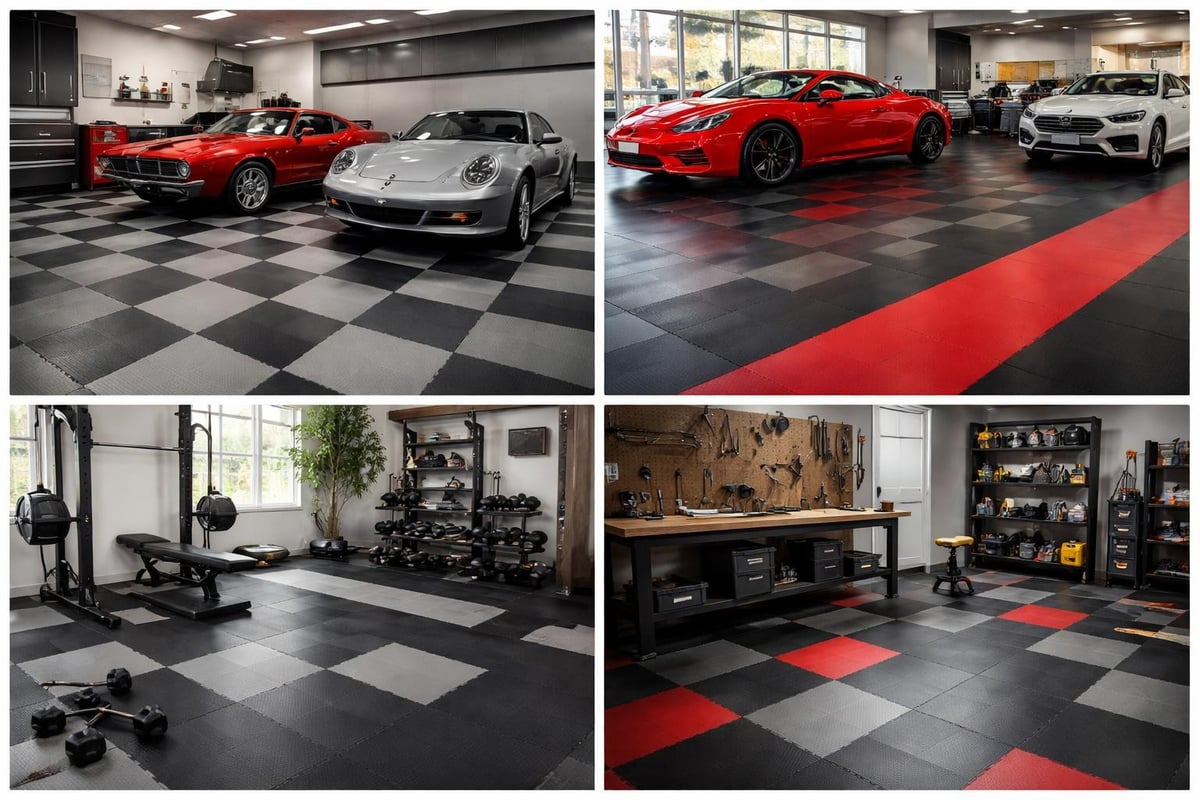
Beyond garages, polypropylene tiles excel in home workshops, basement recreation rooms, home gyms, and mudrooms. The versatility makes them ideal for gym flooring for garage conversion projects where equipment protection and comfort matter.
Home gym applications benefit from impact absorption, noise reduction, and equipment protection characteristics. The tiles prevent floor damage from dropped weights while providing stable, non-slip surfaces for various exercises. Easy cleaning maintains sanitary conditions essential in fitness environments.
Basement installations address moisture concerns inherent in below-grade spaces. The elevated surface allows air circulation beneath tiles, preventing moisture accumulation and mold growth. This drainage characteristic makes polypropylene tiles superior to carpet or rigid flooring options in potentially damp locations.
Selecting the Right Tile Configuration
Within premium polypropylene garage floor tiles, multiple design variations address specific priorities balancing aesthetics, functionality, and performance requirements.
Surface Pattern Options
Ribbed surfaces provide excellent traction while incorporating drainage channels directing liquids away from walking surfaces. This design prevents standing water and reduces slip hazards in wet conditions. The channels also capture debris preventing it from spreading across the floor, simplifying cleanup.
Smooth surface tiles deliver sleek contemporary aesthetics preferred in showroom and residential applications where visual appeal takes priority over aggressive traction. These designs still maintain adequate slip resistance for normal traffic while presenting refined appearance.
Coin and diamond surface patterns offer intermediate options combining visual interest with functional traction. These versatile designs suit applications where both aesthetics and utility matter equally.
Color Selection and Design Psychology
Color choices significantly impact perceived space characteristics and user psychology. Lighter colors reflect light brightening spaces and creating open, spacious feelings. Darker colors hide dirt and tire marks more effectively while creating dramatic visual impact.
Strategic color application:
- Light base colors with dark accent stripes create racing-inspired aesthetics
- Checkerboard patterns deliver classic vintage appeal
- Solid color installations project modern minimalist sophistication
- Custom logos and patterns reinforce brand identity in commercial spaces
- Contrasting borders define space boundaries and guide traffic flow
The swisstrax garage floor tiles collection offers extensive color palettes enabling precise aesthetic realization without compromising performance specifications.
Maintenance and Long-Term Care
Proper maintenance extends polypropylene garage floor tile lifespan while preserving appearance and performance characteristics throughout decades of service.
Routine Cleaning Protocols
Daily or weekly maintenance involves simple sweeping or dust mopping removing loose debris before it becomes embedded. The open-grid designs in quality tiles naturally shed dirt and small particles, preventing accumulation common with solid surfaces.
Periodic washing with standard garden hoses or pressure washers removes accumulated grime and restores original appearance. The tiles withstand pressure washing up to 3,000 PSI without damage, though 1,500 PSI proves sufficient for typical cleaning. No special cleaners or treatments are required, though degreasing agents effectively remove oil residues when necessary.
Addressing Damage and Tile Replacement
Individual tile damage occurs occasionally despite robust construction. Dropped heavy objects, sharp impacts, or vehicle incidents may crack or break tiles. The modular design's primary advantage becomes apparent during repairs, as single damaged tiles can be removed and replaced within minutes without affecting surrounding tiles.
Replacement tiles snap into place maintaining pattern integrity and connection strength. Keeping several spare tiles from original installation ensures perfect color matching, as minor shade variations can occur between production batches over years.
Future Developments and Industry Trends
The polypropylene garage floor tile industry continues evolving with innovations addressing emerging customer priorities and technological capabilities.
Material Science Advancements
Ongoing research develops enhanced polypropylene formulations offering improved UV resistance, greater temperature tolerances, and increased impact strength. Nanotechnology integration creates self-cleaning surface properties and antimicrobial characteristics valuable in health-conscious applications.
Color technology advances enable more vibrant hues, metallic finishes, and special effects previously impossible in polypropylene materials. These aesthetic enhancements expand design possibilities without compromising the material's fundamental performance advantages.
Smart Integration Possibilities
Emerging concepts explore integrating sensors, LED lighting, and heating elements within tile systems. These smart floors could provide illuminated pathways, temperature control, and even vehicle weight monitoring for maintenance tracking. While currently experimental, these technologies may become mainstream features in premium installations within coming years.
Polypropylene garage floor tiles represent the pinnacle of garage flooring technology when manufactured to genuine quality standards using advanced production methods like Swisstrax's four-point injection molding process. The combination of material science, precision engineering, and proven real-world performance delivers unmatched value across decades of service. As the original authorized Swisstrax dealer in the UK, Elite Modular Flooring provides expert guidance, professional installation, and comprehensive support ensuring your investment delivers maximum performance and satisfaction for years to come.

