

New Garage Floor Guide: Transform Your Space in 2026

Imagine stepping into your garage in 2026 and seeing a space that feels fresh, organised, and tailored to your needs. Whether you want a workshop, gym, or showroom, the right new garage floor lays the foundation for a truly modern transformation.
This guide is your blueprint for success. Discover the latest trends, materials, and expert advice to help you choose the best new garage floor for your home or property.
You will learn why a new garage floor matters, how to select top flooring options, and the steps for flawless installation. Get inspired by design ideas, learn essential maintenance tips, and see how a new garage floor adds value and durability.
Ready to reimagine your garage? Let’s unlock the full potential of your space together.
Why Upgrade Your Garage Floor in 2026?
Upgrading your garage is more than a cosmetic change. A new garage floor can transform your space, improve daily living, and add measurable value to your property. Let’s explore why 2026 is the ideal time to invest in this essential home improvement.
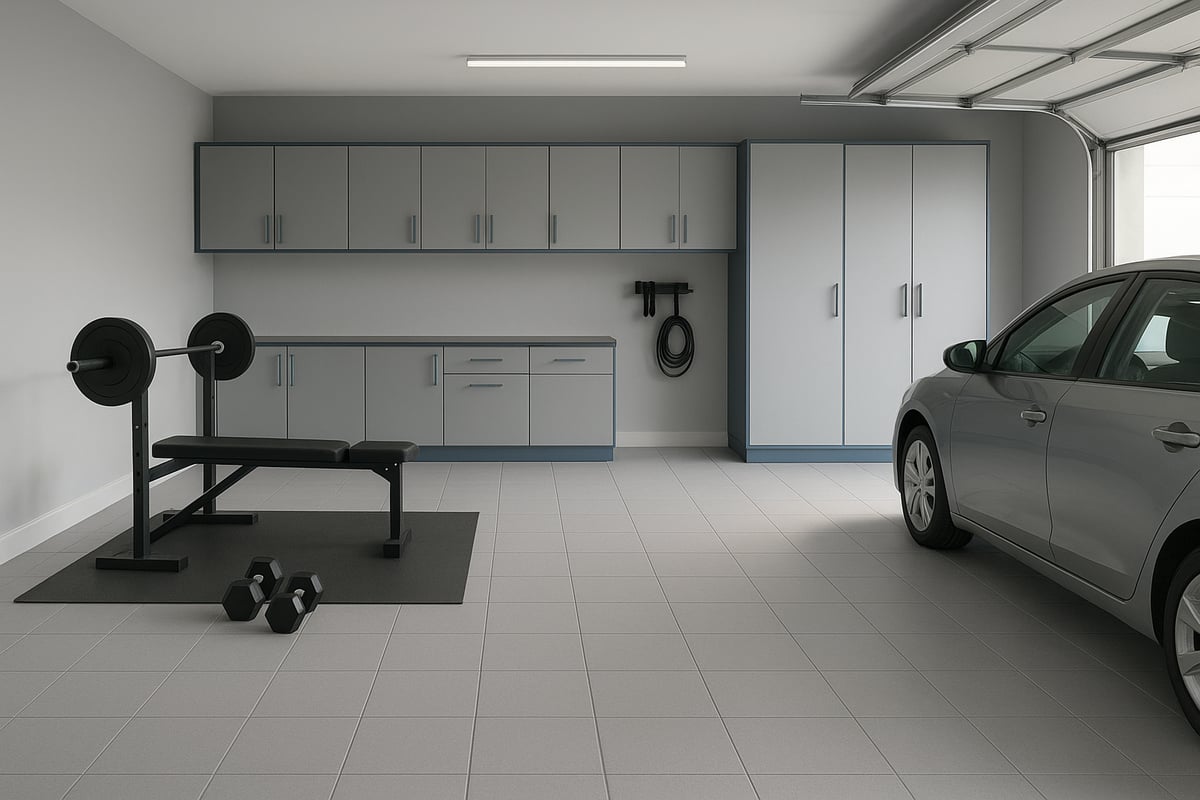
The Evolving Role of the Garage
The garage is no longer just a place to park cars. In 2026, it often doubles as a gym, workshop, home office, or even a showroom. Homeowners are spending more time at home and demand spaces that adapt to their needs. Industry surveys reveal over 60% plan to upgrade their garages within the next two years.
This shift is highlighted in Garage design trends for 2026, which shows how garages are becoming extensions of living areas. A new garage floor is the foundation for this transformation, providing the versatility required for modern lifestyles.
Benefits of Modern Garage Flooring
A new garage floor offers substantial benefits beyond aesthetics. Advanced materials protect against wear, stains, and chemical spills, keeping your space looking sharp. Modern flooring also provides slip resistance, making your garage safer for everyone.
Property value receives a boost as well. Homeowners often see up to a 10% increase in resale value after installing a new garage floor. Maintenance becomes easier, with smooth surfaces that resist dust and grime.
Common Garage Floor Problems
Traditional garage floors face several persistent issues. Bare concrete is prone to cracks, dust, oil stains, and moisture, all of which can lead to safety hazards and a worn appearance. Seasonal changes in weather and temperature can further damage untreated surfaces.
A new garage floor addresses these concerns by sealing out moisture, reducing dust, and offering resistance to oil and chemicals. The result is a safer, more attractive, and longer-lasting foundation for your garage.
Environmental and Health Considerations
Sustainability is a growing priority for homeowners in 2026. Eco-friendly options for a new garage floor are widely available, featuring recycled materials and low-VOC finishes. These choices help reduce the environmental footprint of your renovation.
Sealed and modular flooring systems also minimize dust and allergens, improving indoor air quality. Choosing safe, certified materials for your new garage floor ensures a healthier environment for your family and pets.
Cost vs. Value Analysis
Investing in a new garage floor is a balance between upfront cost and long-term value. While the initial expense varies by material, the savings on repairs and cleaning add up over time. For example, modular and epoxy floors often deliver up to 70% ROI in home improvement projects.
Below is a comparison of average costs and expected returns for popular options:
| Flooring Type | Average Cost | ROI (%) |
|---|---|---|
| Modular Tiles | £6.99/tile | 65–70 |
| Epoxy | from £30/m² | 70–75 |
| Rubber | from £20/m² | 60–65 |
Choosing the right new garage floor means making a smart investment that pays off with lasting performance and increased home value.
Top Garage Floor Options for 2026: Materials, Pros & Cons
Selecting the right new garage floor is essential for homeowners aiming to blend durability, style, and long-term value. In 2026, flooring technology has advanced to offer more choices than ever, each with unique benefits. Let us explore the leading solutions shaping the future of garage spaces.
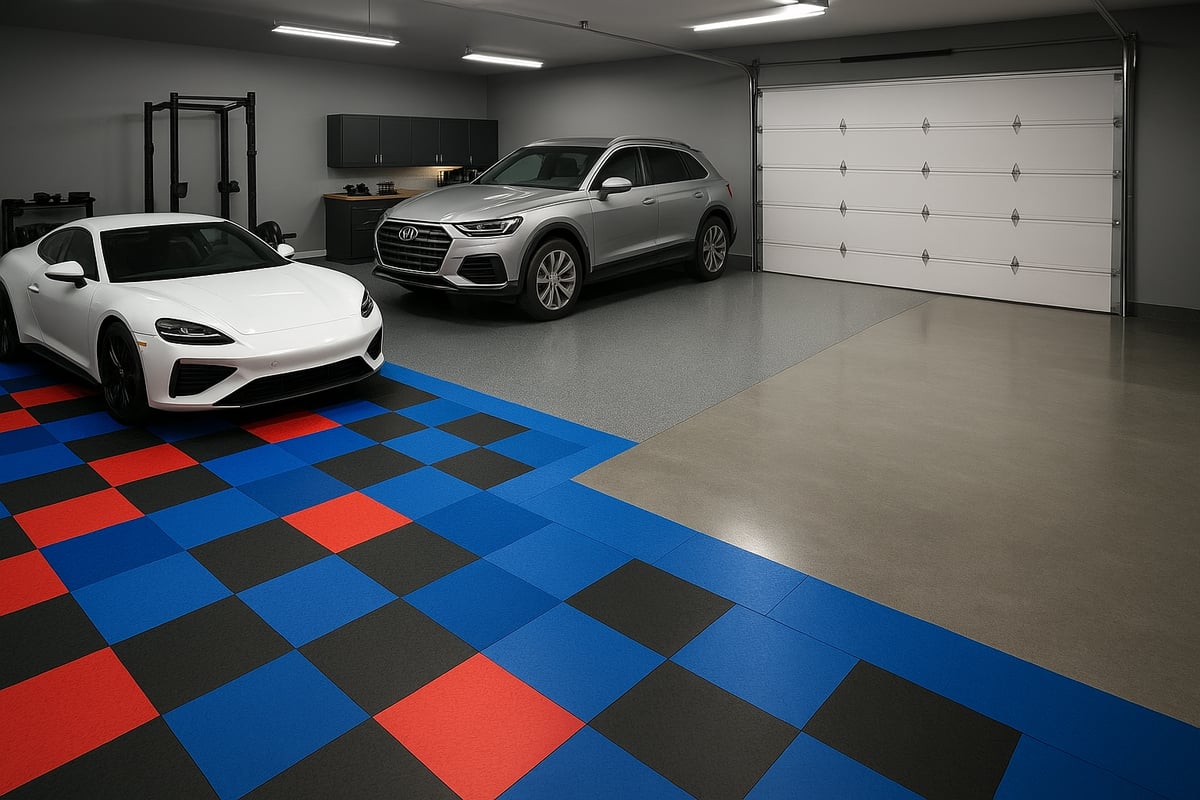
Modular Interlocking Tiles
Modular interlocking tiles have surged in popularity for new garage floor upgrades. These tiles are typically made from polypropylene, PVC, or advanced composite materials. Their snap-together design makes installation quick and DIY-friendly, minimizing downtime.
A key benefit is customisation. Homeowners can mix colors, patterns, and textures to achieve a personalized look. Leading brands like Swisstrax Ribtrax Pro offer robust tiles that withstand the weight of vehicles and heavy equipment. Market projections indicate modular tiles will grow by 15 percent in market share by 2026, making them a top choice for flexible, stylish garage floors.
Epoxy Coatings
Epoxy coatings remain a staple option for a new garage floor, valued for their seamless finish and impressive chemical resistance. Available in a wide array of colors and even metallic effects, epoxy creates a high-gloss, professional appearance.
While DIY kits are available, professional installation ensures better surface preparation and longevity. Maintenance is straightforward, but the floor may need recoating every five to ten years, depending on traffic. Notably, epoxy is the most popular coating, with 40 percent of garage upgrades opting for it in 2025. For a deeper dive into the pros and cons of each system, see Garage Flooring Options Explained.
Polyaspartic and Polyurea Coatings
Polyaspartic and polyurea coatings are innovative solutions for a new garage floor, prized for their rapid curing times and UV stability. These coatings are ideal in climates with temperature fluctuations, as they resist yellowing and cracking from sunlight or cold.
Installation can be completed in a single day by professionals, minimizing disruption. The cost is higher than standard epoxy, but the extreme durability and fast turnaround often justify the investment. Polyaspartic floors are also highly resistant to chemicals, stains, and abrasions, ensuring a long-lasting finish.
Polished Concrete
Polished concrete delivers a sleek, industrial look for a new garage floor that appeals to minimalist design preferences. This option involves grinding and sealing the existing concrete slab to create a reflective, low-maintenance surface.
While polished concrete is durable and easy to clean, it is not suitable for all garages. Floors with significant cracks, moisture issues, or uneven surfaces may require extensive preparation. Professional installation is essential to achieve the desired sheen and durability, making this a premium but limited option.
Rubber Flooring
Rubber flooring is a versatile solution for homeowners seeking comfort and safety in a new garage floor. Available in rolls or tiles, rubber provides a cushioned surface ideal for home gyms, workshops, or play areas within the garage.
This material is water-resistant, slip-protective, and easy to clean. Rubber flooring stands out for multi-use garages, offering both practicality and protection. While not as customizable as tiles or coatings, it excels in environments where impact absorption and noise reduction are priorities.
Comparison Table: Features, Lifespan, and Costs
To help you choose the best new garage floor, here is a side-by-side comparison of the leading materials:
| Flooring Type | Durability | Maintenance | Lifespan | Avg Cost |
|---|---|---|---|---|
| Modular Tiles | High | Low | 15+ years | £6.99/tile |
| Epoxy Coating | Medium-High | Moderate | 5–10 years | from £30/m² |
| Polyaspartic | Very High | Low | 10+ years | from £50/m² |
| Polished Concrete | High | Low | 15+ years | from £40/m² |
| Rubber Flooring | Medium | Low | 10+ years | from £20/m² |
This table highlights the strengths and costs of each new garage floor option, guiding your decision based on budget and performance.
Sustainability and Innovation in 2026
Sustainability is a growing factor in new garage floor choices. Many brands now offer tiles and coatings made from recycled materials and low-VOC (volatile organic compound) formulas. Eco-friendly solutions reduce emissions and improve indoor air quality.
Innovative features like underfloor heating compatibility and embedded LED lighting are becoming mainstream in 2026. Smart flooring technologies allow integration with home automation systems, providing both convenience and modern appeal. These trends ensure your new garage floor is future-ready and environmentally conscious.
Step-by-Step Guide: How to Install Your New Garage Floor
Upgrading to a new garage floor can seem daunting, but with a clear plan, the process is manageable for most homeowners. This step-by-step guide ensures your investment leads to a durable, attractive, and functional surface.
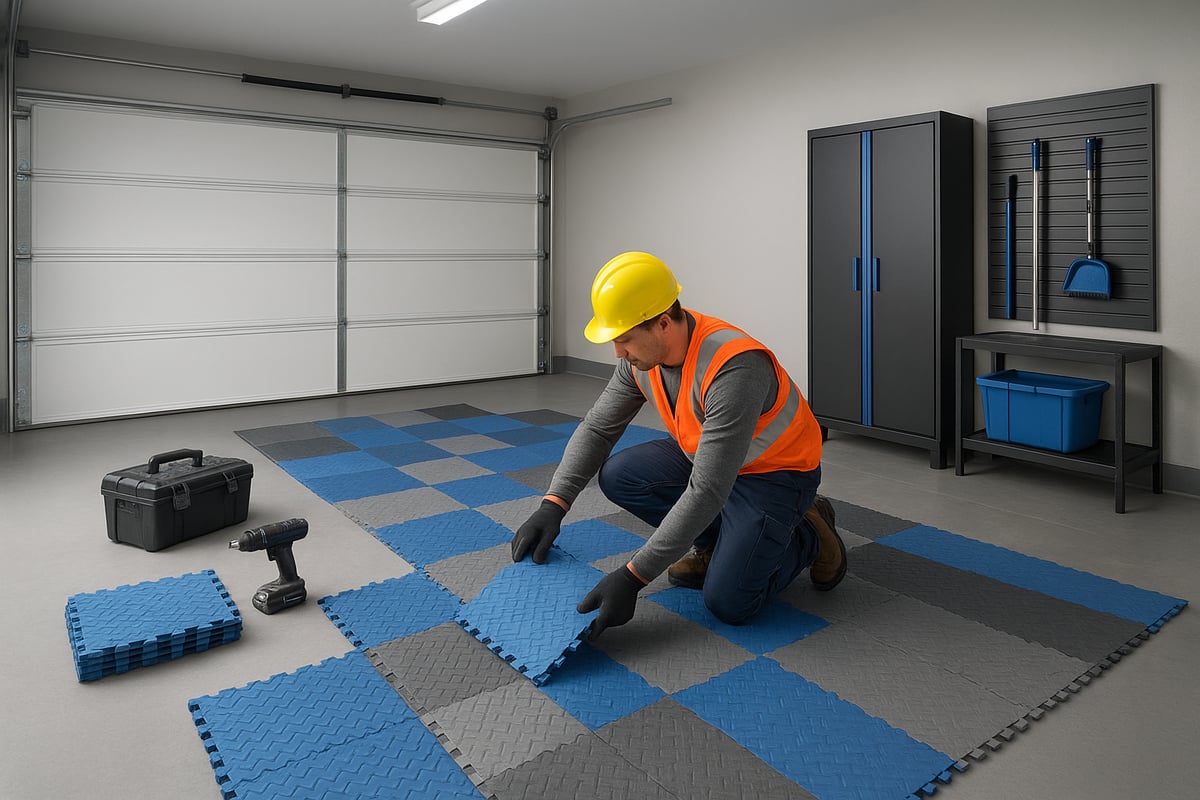
Step 1: Assess and Prepare Your Garage
Begin your new garage floor project by clearing out the entire space. Remove all vehicles, tools, and storage items for a blank canvas.
Inspect the existing floor for cracks, moisture, and oil stains. Address any damage with concrete filler or patch kits. Check for moisture by taping plastic sheets to the floor and looking for condensation after 24 hours.
Once repairs are complete, thoroughly clean the floor. Sweep away debris and use a degreaser for stubborn stains. Let the surface dry completely before proceeding.
Prepare a checklist for essential tools and materials:
- Broom, mop, vacuum
- Concrete repair kit
- Degreaser and cleaning supplies
- Protective gloves and eyewear
Proper preparation is vital for a long-lasting new garage floor.
Step 2: Choose the Right Flooring System
Selecting the ideal solution for your new garage floor depends on usage, climate, and budget.
Think about how you use your garage: Is it a gym, workshop, or car storage? Modular tiles are great for versatility, while epoxy suits showrooms. For areas with temperature swings, polyaspartic coatings are highly durable.
Budget is also crucial. Compare costs and maintenance needs between options like rubber, epoxy, and modular tiles. Review product warranties and consult manufacturer guides or local professionals for tailored recommendations.
Design preferences matter too. Consider color schemes and patterns that match your vision for a new garage floor.
Step 3: Plan Your Layout and Design
Measure your garage precisely, including length, width, and any irregularities. Sketch a layout to account for edge pieces, transitions, and door clearances.
Use design tools or templates to visualize your new garage floor. For modular systems, online planners can help customize color patterns and borders. The Swisstrax 3D Floor Designer Tool is one example that makes planning straightforward.
A well-thought-out layout ensures efficient installation and a polished finish for your new garage floor.
Step 4: Installation Process by Flooring Type
Installation steps vary based on your chosen new garage floor material. For modular interlocking tiles, start at the garage entry and snap tiles together, working methodically toward the back. Use a rubber mallet for tight fits.
For epoxy or coatings, begin with surface prep: grind rough spots, vacuum dust, and tape off edges. Apply primer, mix components, and roll on the first coat. Allow drying time before adding a second layer.
For rubber flooring, roll out the material, cut to fit, and secure edges with adhesive or tape.
For detailed, step-by-step instructions, consult the DIY Garage Floor Installation Guide.
DIY installation can be rewarding, but professional help is recommended for coatings to ensure proper curing and finish.
Step 5: Finishing Touches
After the main installation, add finishing elements to complete your new garage floor. Install ramp edges and corner pieces for safety and accessibility.
If using coatings, respect curing times—24 to 72 hours depending on the product. Avoid moving vehicles or heavy items onto the surface until fully cured.
Clean up tools and materials, and dispose of waste responsibly. Perform an initial sweep to remove dust and debris, leaving your new garage floor spotless and ready for use.
Step 6: Post-Installation Inspection
Inspect your new garage floor for alignment, secure edges, and overall surface quality. Walk the perimeter, checking for loose tiles, uneven sections, or bubbles in coatings.
If you spot issues, address them immediately. Realign misfit tiles or consult product guides for troubleshooting coating imperfections.
A careful inspection ensures your new garage floor looks professional and performs reliably from day one.
Safety and Best Practices
Safety is crucial throughout your new garage floor installation. Always wear personal protective equipment such as gloves, safety glasses, and masks—especially when handling chemicals or cutting tiles.
Ensure good ventilation in the garage, particularly with epoxy or polyaspartic coatings, to reduce fumes. Follow manufacturer guidelines for all materials and tools.
Professional installers can reduce risk, ensure compliance with warranties, and deliver a flawless new garage floor.
Timeline and Cost Breakdown
Understanding the timeline and costs helps you plan your new garage floor project efficiently.
| Flooring Type | Avg. Install Time | Material Cost (per m²) | Labour Cost (est.) |
|---|---|---|---|
| Modular Tiles | 1 day | £30–£50 | £300–£600 |
| Epoxy Coating | 2–3 days | £30–£60 | £400–£900 |
| Rubber Flooring | 0.5 day | £20–£40 | £200–£400 |
DIY can lower costs, but factor in tool rentals and time. Modular tiles offer the fastest turnaround, while coatings require more time for surface prep and curing. Accurate budgeting ensures your new garage floor is a valuable, long-lasting upgrade.
Garage Floor Design Trends & Inspiration for 2026
Step into 2026, where your new garage floor is more than a surface—it is the foundation for a modern, multi-functional space. This year brings bold innovations in design, smart features, and personal touches that turn the garage into a true extension of your home.
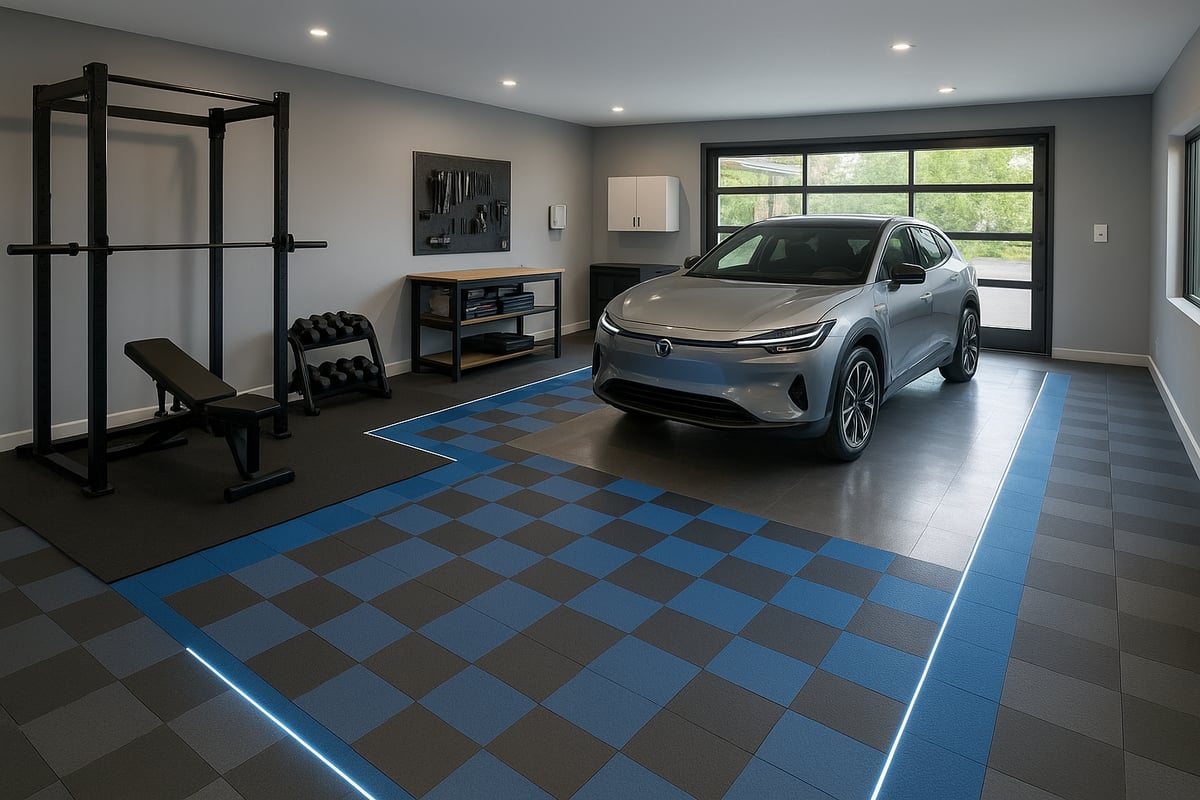
Colour and Pattern Innovations
Designers are pushing boundaries with the new garage floor, introducing grey, blue, and metallic finishes for a contemporary vibe. Checkerboard layouts and geometric patterns are increasingly popular, offering a dynamic look that complements both vehicles and décor. Homeowners are also adding custom logos and contrasting tile borders for a showroom effect. According to 2026 home design trends and epoxy flooring, epoxy coatings now come in a wider spectrum of colours and finishes, making it easier than ever to match your garage to your personal style.
Personalisation and Zoning
A new garage floor is the ideal canvas for creating distinct zones within your garage. Use contrasting colours or materials to define spaces for vehicles, fitness, or hobbies. Many opt for modular tiles in one area and rubber flooring in another, ensuring each zone is optimised for its function. Personalisation extends to floor graphics, embedded lighting, and even smart sensors, helping you tailor your garage to your unique needs and daily routines.
Smart Garage Integration
Smart features are transforming the new garage floor into a high-tech hub. LED lighting embedded in flooring enhances both safety and ambience, while integration with smart home systems enables convenient climate and lighting control. Some flooring solutions even support underfloor heating, ensuring comfort year-round. These advancements not only improve usability but also add a futuristic touch, making the garage feel like a seamless extension of your living space.
Real-Life Makeovers
Homeowners across the UK are sharing inspiring new garage floor transformations. In one case, a cluttered single-car garage became a multi-use studio with modular tiles in a two-tone pattern, dramatically improving both aesthetics and function. Another renovation featured an epoxy-coated floor with a custom logo, turning a basic parking area into a personal showroom. These real-world examples highlight how a thoughtfully chosen new garage floor can elevate the entire home environment.
Maximising Small Spaces
For compact garages, the right new garage floor can create the illusion of space. Lighter colours and reflective finishes brighten up the area, while modular tiles make it easy to reconfigure layouts as needs change. Pairing vertical storage solutions with sleek flooring maximises both storage and style. For more tips on optimising small garages, see the Floor Tiles for Garage Blog, which covers design strategies and practical installation advice.
Commercial Garage Inspiration
The new garage floor is not just for homes—car showrooms, detailing studios, and workshops are embracing advanced flooring too. Durable, professional-grade tiles or coatings withstand heavy traffic and equipment, while bold colour choices and custom patterns create a standout look. Investing in a high-performance new garage floor ensures your commercial space is both inviting and built to last.
Maintenance & Longevity: Keeping Your Garage Floor Looking New
Caring for your new garage floor is essential if you want it to look sharp and perform well for years. With the right maintenance habits, you can protect your investment and ensure your garage remains a standout space.
Routine Cleaning and Care
A clean new garage floor is easier to maintain than bare concrete. Regular sweeping or vacuuming prevents dust and debris from scratching surfaces. For modular tiles, you can lift sections for deep cleaning beneath. Epoxy and coatings require simple mopping with mild detergent to remove stains or spills.
- Sweep or vacuum weekly
- Mop with pH-neutral cleaner as needed
- Remove oil or chemical spills promptly
By following these steps, your new garage floor will keep its shine and resist everyday grime.
Protecting Against Damage
Prevention is key for your new garage floor. Place mats at entry points to catch grit and moisture. Use protective pads under heavy equipment and avoid dragging sharp objects. For coatings, consider a topcoat to resist chemicals and tire marks.
- Install mats or runners in high-traffic zones
- Use furniture pads and avoid metal-on-floor contact
- Reapply protective coatings as recommended
Taking these precautions helps your new garage floor stay free from scratches, stains, and moisture intrusion.
Seasonal Maintenance Tips
Each season brings unique challenges for your new garage floor. In winter, salt and water can cause damage, so clean up slush and use absorbent mats. During summer, increased humidity can affect certain materials, making ventilation important.
- Sweep up salt and mud regularly in winter
- Inspect for moisture buildup after rain
- Adjust cleaning frequency based on seasonal use
Adapting your care routine ensures your new garage floor withstands changing weather conditions year-round.
Repair and Replacement
Even the most durable new garage floor may need occasional repairs. For modular tiles, damaged sections can be replaced individually. Epoxy or polyaspartic floors may require touch-ups if chips or bubbles appear. If you notice persistent issues, consult a professional.
- Replace cracked or warped tiles promptly
- Address coating chips with repair kits
- Watch for signs of moisture or lifting
Timely repairs help preserve both the look and function of your new garage floor.
Lifespan Expectations by Material
The longevity of your new garage floor depends on the material and maintenance. Here is a summary:
| Flooring Type | Expected Lifespan |
|---|---|
| Modular Tiles | 15+ years |
| Epoxy/Polyaspartic | 5–10 years |
| Rubber Flooring | 10+ years |
With consistent care, your new garage floor will look great and perform well for many years.
Warranty and Support
Many new garage floor systems come with warranties. Modular tiles and professional coatings typically offer warranties of 5–15 years. Professional installation is often required to maintain coverage. Always keep documentation and follow the manufacturer’s care guidelines.
- Register your warranty after installation
- Schedule annual inspections to support claims
- Consult installers for any warranty-related concerns
Proper support ensures your new garage floor investment is protected.
Cost of Maintenance vs. Replacement
Annual maintenance for a new garage floor is generally low, especially compared to the expense of full replacement. Modular tiles may only require occasional deep cleaning, while coatings might need touch-ups every few years. Investing in quality materials and installation pays off over time.
| Flooring Type | Annual Maintenance Cost | Replacement Cost |
|---|---|---|
| Modular Tiles | £20–£40 | £1,200–£2,500 |
| Epoxy Coating | £30–£50 | £900–£2,000 |
| Rubber Flooring | £25–£45 | £1,000–£2,200 |
For a detailed analysis of returns, see the ROI of investing in garage floor coatings, which highlights up to 85% ROI at resale.
By prioritizing care, you extend the life and value of your new garage floor, making it a worthwhile long-term investment.
Now that you’ve explored the latest trends, practical installation steps, and design inspirations for upgrading your garage floor in 2026, you’re well-equipped to turn your vision into reality. Whether you want a sleek, durable surface for your vehicles or a space that reflects your style and supports daily life, choosing the right flooring is key. If you’re ready to see how Elite Modular Flooring’s Swisstrax tile solutions can transform your own space—quickly, efficiently, and with lasting value—it’s easy to get started. Simply request a Quick Quote and take the next step toward your new garage transformation.

