

The Ultimate Guide to Modular Floor Tiles in 2026

Discover why modular floor tiles are becoming the top choice for transforming both homes and businesses in 2026. These innovative solutions offer unmatched versatility, easy installation, and endless design possibilities.
This guide gives you a complete overview of modular floor tiles, highlighting the latest trends, advanced materials, and top brands. You will find practical insights on installation, maintenance, and sustainable options.
Get ready to explore how modular floor tiles can improve your space, boost indoor air quality, and simplify your next renovation. Dive in to see why these tiles are shaping the future of flooring.
What Are Modular Floor Tiles?
Modular floor tiles are reshaping how spaces are updated, customized, and maintained in 2026. Unlike traditional flooring, these tiles are designed as individual units that interlock, allowing for flexible layouts and easy modification. The core appeal lies in their versatility: you can create unique patterns, cover any size of space, and even adjust the design as needs change. Materials like PVC, polypropylene, linoleum, rubber, and foam are common, each offering distinct benefits. The selection of sizes, thicknesses, and surface finishes has expanded significantly, making modular floor tiles suitable for both demanding and creative environments.
Definition and Core Features
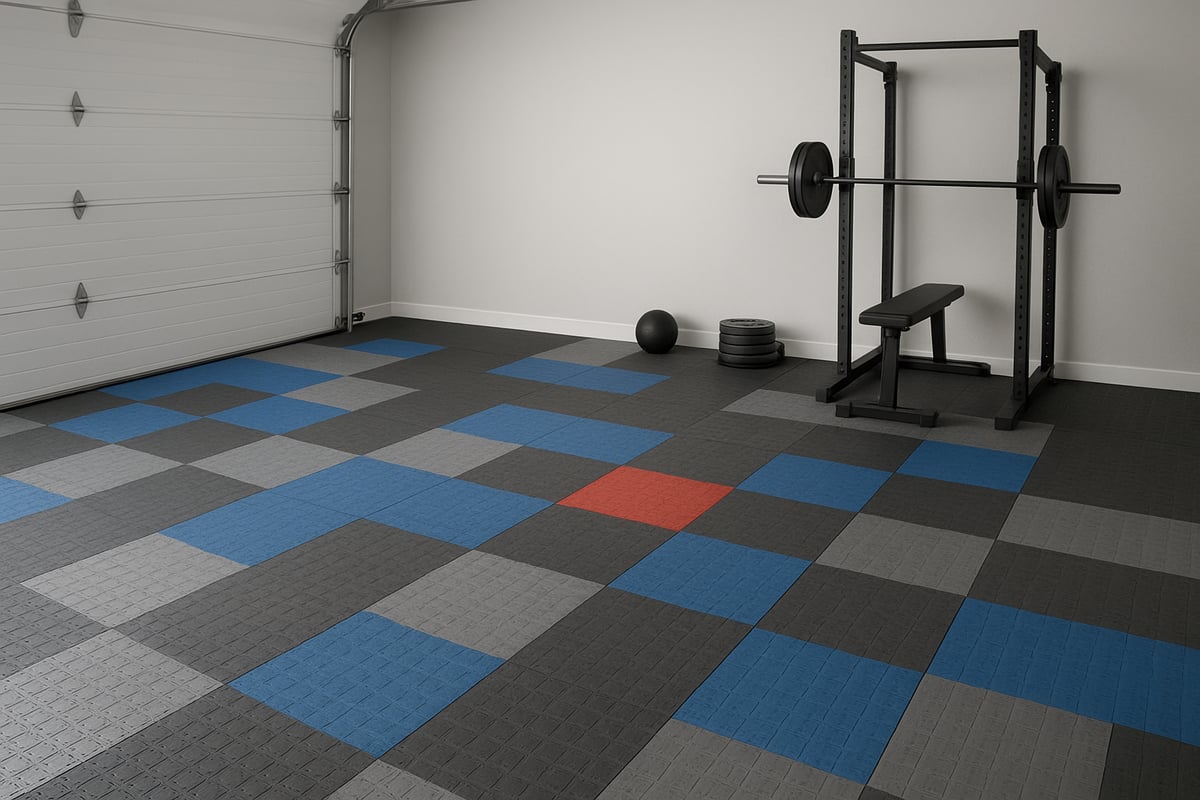
Modular floor tiles are engineered flooring units that snap or lock together, forming a seamless surface without adhesives. This interlocking mechanism is what distinguishes them from traditional rolls or planks. Each tile can be easily removed or replaced, offering exceptional flexibility. Common materials include durable PVC for heavy-duty use, lightweight polypropylene for indoor and outdoor versatility, natural linoleum for eco-friendly spaces, resilient rubber for impact absorption, and soft foam for comfort. In 2026, modular floor tiles come in a wide range of sizes, from small squares to large rectangles, with thicknesses tailored for specific applications. Customization options extend to color, finish, and even printed graphics, empowering users to match any aesthetic or functional requirement.
Types of Modular Floor Tiles
The modular floor tiles market encompasses several categories, each tailored for specific settings:
- Garage tiles: Built for heavy loads and chemical resistance, ideal for automotive spaces.
- Gym tiles: Focused on shock absorption and anti-slip properties for safe workouts.
- Commercial and retail tiles: Durable and attractive, designed for high-traffic areas.
- Residential tiles: Versatile for kitchens, playrooms, and basements.
- Specialty tiles: Acoustic, drainage, or accent tiles for unique needs.
For garages, Swisstrax Ribtrax Pro stands out, offering load-bearing strength and a wide color palette. For eco-conscious interiors, Marmoleum Modular is a leading choice due to its sustainable composition. To explore more about garage applications, see the Garage modular floor tile guide. Each type addresses specific needs, ensuring optimal performance and style.
Advantages Over Traditional Flooring
Modular floor tiles offer several compelling advantages over conventional flooring options:
- Rapid installation: Most systems require no glue or nails, reducing downtime and labor.
- Easy maintenance: Damaged tiles can be swapped individually, minimizing repair costs.
- Design flexibility: Users can mix colors, patterns, and textures to create custom layouts.
- Improved air quality: Many tiles are low-emission and available in phthalate or PVC-free versions.
- Sustainability: For example, Marmoleum Modular is crafted from 98% natural materials and is climate positive from production to delivery.
These benefits make modular floor tiles a top choice for both renovations and new builds.
Common Use Cases in 2026
The versatility of modular floor tiles has fueled their adoption across a wide range of environments:
- Residential garages: Withstand heavy vehicles and resist oil stains.
- Home gyms and playrooms: Provide comfort, safety, and easy cleaning.
- Offices and retail spaces: Enable quick rebranding or layout changes.
- Healthcare facilities: Prioritize hygiene and air quality.
- Event and exhibition flooring: Allow for temporary, reusable installations.
- Sustainable building projects: Meet LEED, BREEAM, and WELL standards.
This diversity in application highlights why modular floor tiles are a future-focused solution for modern spaces.
Market Growth and Trends
Demand for modular floor tiles continues to rise, driven by the surge in DIY renovations and the global shift toward sustainability. In 2026, manufacturers are offering broader color palettes, innovative textures, and digital design tools that let users visualize and customize their floors with ease. The market is projected to grow significantly by 2026, reflecting strong interest from both residential and commercial sectors. Enhanced eco-friendly materials and smart manufacturing practices are also shaping the industry, ensuring modular floor tiles remain at the forefront of flooring innovation.
2026 Trends in Modular Flooring: Innovation & Sustainability
The modular floor tiles market is experiencing a wave of transformative trends in 2026. Innovations in materials, design, and technology are reshaping what consumers and professionals can expect from modern flooring solutions. Let us explore the key developments driving this exciting evolution.
Eco-Friendly Materials and Manufacturing
Sustainability is at the core of modular floor tiles innovation in 2026. Manufacturers are increasingly turning to recycled, renewable, and biobased materials such as linoleum, recycled rubber, and cork. These materials offer excellent durability while reducing environmental impact.
- Linoleum modular floor tiles, like Forbo Marmoleum Modular, use linseed oil, wood flour, and jute for a climate positive footprint.
- The industry is shifting away from PVC and phthalates, prioritizing healthier indoor air quality.
- Production processes now rely on green electricity and closed-loop systems to minimize waste.
This focus on eco-friendly manufacturing ensures modular floor tiles meet the demands of both sustainability certifications and conscious consumers.
Design and Customization Advances
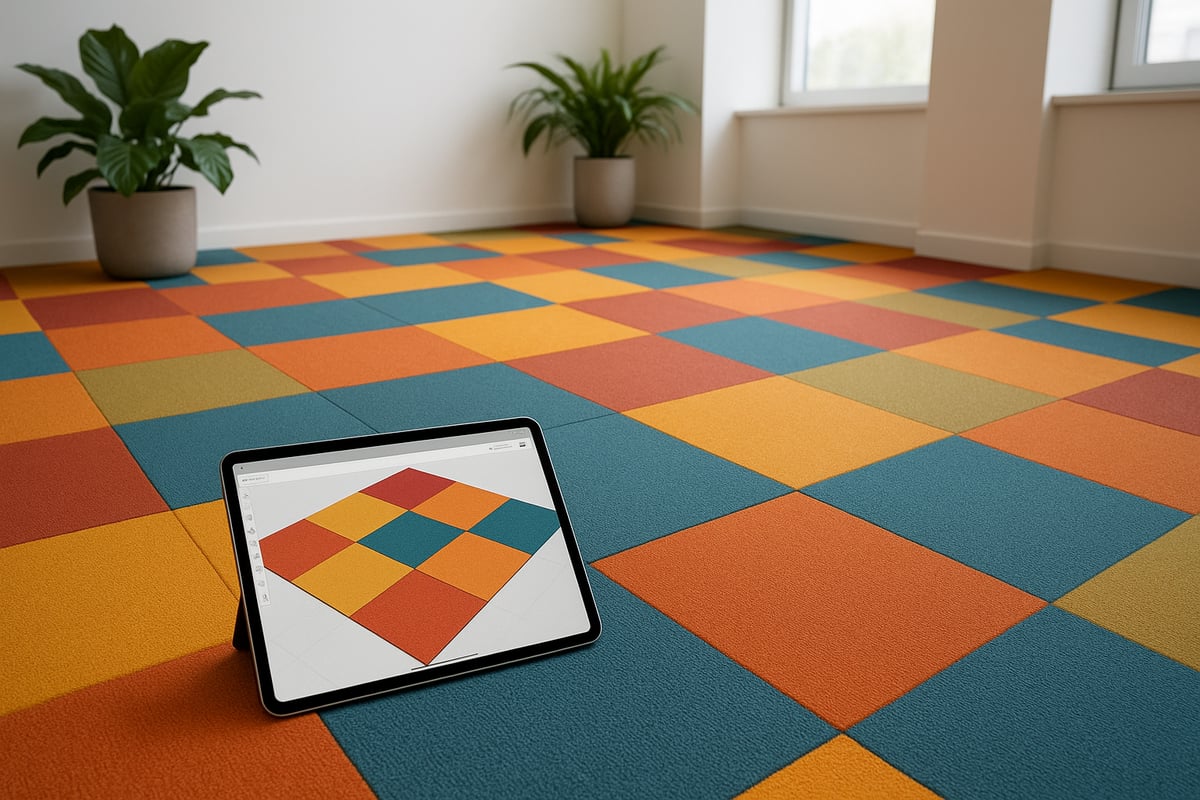
Personalization is a major trend for modular floor tiles in 2026. Digital floor visualizers and 3D design tools empower users to create unique layouts, mixing colors, textures, and finishes. These advancements make design more interactive and accessible.
- Expanded color gradients and surface textures are available for creative expression.
- Modular accent tiles help define zones or add branding to commercial spaces.
With tools like the 3D modular floor designer tool, planning your modular floor tiles layout is more intuitive than ever, blending technology and creativity for standout results.
Performance and Durability Upgrades
Technological progress has greatly improved the performance of modular floor tiles. Enhanced wear layers now offer superior resistance against scratches, stains, and fading. UV protection is built in to maintain vibrant colors, even in sunlit spaces.
- Anti-slip technologies provide added safety in gyms, playrooms, and commercial environments.
- Tiles are engineered for heavy loads, making them suitable for garages and industrial applications.
- Integrated drainage and ventilation features address moisture challenges in wet areas.
These upgrades extend the lifespan of modular floor tiles, ensuring both functionality and aesthetics are preserved.
Smart and Connected Flooring
2026 marks the rise of smart modular floor tiles. Sensors are now embedded within tile systems, capable of monitoring occupancy, temperature, and maintenance needs. This technology is especially valuable in commercial and healthcare settings.
- Occupancy sensors optimize energy usage and space management.
- Maintenance alerts notify users when tiles require cleaning or replacement.
Smart flooring transforms modular floor tiles into an active component of building management, supporting efficiency and safety.
Sustainability Certifications and Ratings
Transparency and certification are top priorities for modular floor tiles manufacturers. Environmental Product Declarations (EPD), LEED, and BREEAM certifications are widely pursued, offering assurance of a product's environmental impact.
| Certification | Focus Area | Example Product |
|---|---|---|
| EPD | Life cycle | Marmoleum Modular |
| LEED | Green bldg | Multiple brands |
| BREEAM | Wellness | Sustainable tiles |
Manufacturers also provide detailed life cycle assessments for modular floor tiles, helping consumers make informed, responsible choices.
Market Data and Consumer Preferences
Demand for modular floor tiles continues to surge, fueled by the DIY movement, sustainability, and customization. Both residential and commercial sectors are embracing these solutions for easy maintenance and improved indoor air quality.
- Modular floor tiles adoption is projected to rise significantly by 2026.
- Consumers value products that are eco-friendly and simple to install.
- With people spending 85% of their time indoors, health and well-being are central considerations.
The market outlook for modular floor tiles remains strong, with innovation driving ongoing growth and widespread adoption.
Comparing Modular Floor Tile Materials & Applications
Selecting the right modular floor tiles can transform your space, but choosing the correct material is essential for performance, style, and longevity. Each tile type brings unique strengths and ideal use cases, making it important to understand your options before making a decision.
PVC and Polypropylene Tiles
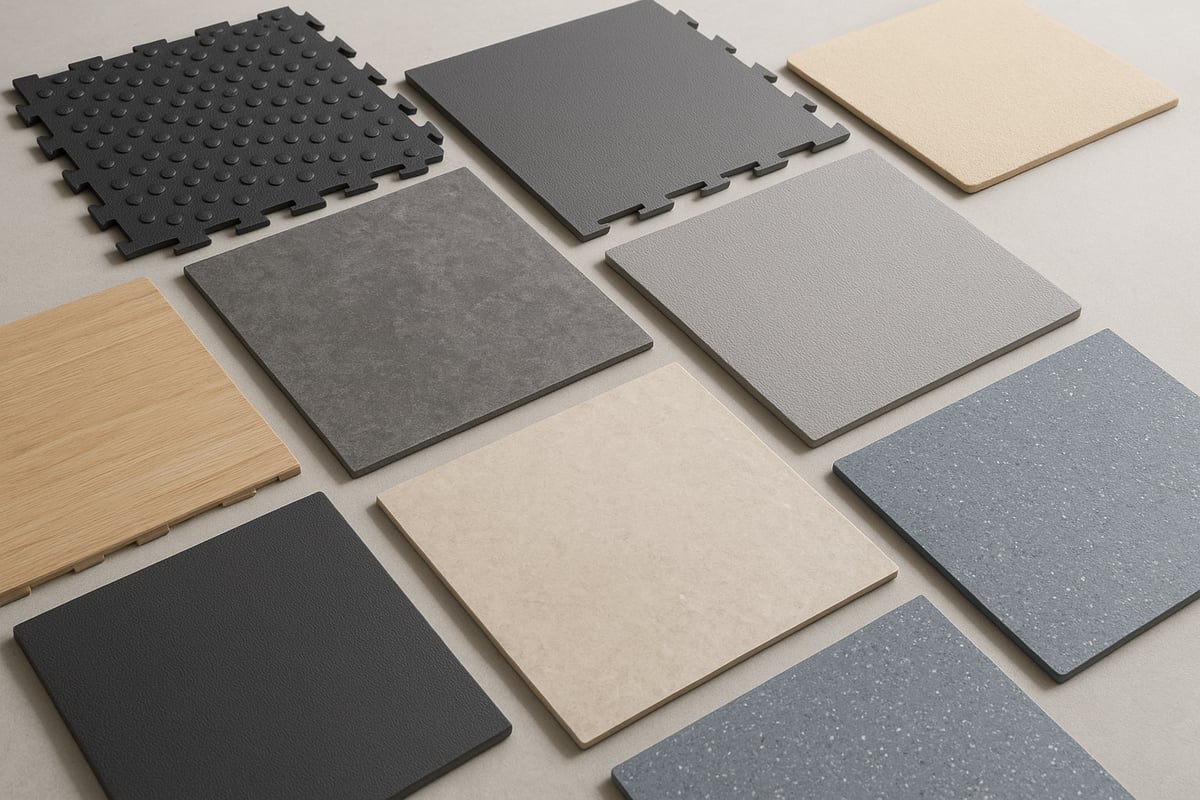
PVC and polypropylene modular floor tiles are industry leaders for heavy-duty environments. These tiles are engineered for strength, chemical resistance, and simple cleaning, making them the top choice for garages, workshops, and commercial spaces.
Swisstrax Ribtrax Pro, for example, supports heavy vehicles and comes in a broad color palette. The interlocking design of these modular floor tiles allows for quick installation and easy replacement. For a closer look at available options, explore the Swisstrax modular tile collection, which demonstrates the versatility and premium features that set these tiles apart.
Rubber and Foam Tiles
Rubber and foam modular floor tiles provide outstanding shock absorption and anti-fatigue properties. These qualities make them ideal for gyms, playrooms, and multi-purpose areas where comfort and safety are top priorities.
EZ Flex Interlocking Recycled Rubber Floor Tiles are highly rated for their durability and ease of installation. Foam tiles are lightweight and simple to handle, making them popular for temporary setups or spaces needing frequent reconfiguration. Both options excel in environments requiring noise reduction and impact resistance.
Linoleum and Biobased Tiles
Linoleum and biobased modular floor tiles are the preferred solution for sustainable interiors. Made from renewable resources such as linseed oil, wood flour, and jute, these tiles offer low emissions and allergy-friendly surfaces.
Marmoleum Modular is a standout, providing climate-positive performance and a wide array of colors and patterns. These modular floor tiles are especially well-suited for eco-friendly homes, schools, and healthcare facilities thanks to their natural composition and impressive durability.
Vinyl Modular Tiles
Vinyl modular floor tiles deliver high-end aesthetics with the practicality of easy maintenance. These tiles are designed to mimic natural wood, stone, and marble finishes, making them a popular choice for showrooms, offices, and event spaces.
Swisstrax Vinyltrax Pro combines premium appearance with the straightforward installation benefits of modular floor tiles. Vinyl tiles resist stains and scratches while offering flexibility for creative layouts and branding.
Specialty and Hybrid Tiles
Specialty and hybrid modular floor tiles address unique requirements, from wet area drainage to sound absorption. Self-draining tiles are perfect for garages, patios, or pool surrounds, ensuring water does not accumulate.
Acoustic modular floor tiles are engineered for noise-sensitive environments like libraries and offices. Modular accent tiles can be used to create visual interest or designate zones, supporting both function and design flexibility.
Application Matrix
Below is a table summarizing recommended applications for each modular floor tile material:
| Material | Garage | Gym | Playroom | Retail | Healthcare | Outdoor | Office | Event Space |
|---|---|---|---|---|---|---|---|---|
| PVC/Polypropylene | ✔ | ✔ | ✔ | ✔ | ✔ | |||
| Rubber | ✔ | ✔ | ✔ | ✔ | ||||
| Foam | ✔ | ✔ | ✔ | |||||
| Linoleum/Biobased | ✔ | ✔ | ✔ | ✔ | ✔ | |||
| Vinyl | ✔ | ✔ | ✔ | |||||
| Specialty/Hybrid | ✔ | ✔ | ✔ | ✔ | ✔ | ✔ | ✔ | ✔ |
Key Considerations for Selection
When choosing modular floor tiles, assess load requirements, moisture exposure, and slip resistance. Consider your design goals, such as color and branding, and factor in maintenance needs and life expectancy.
Evaluate each material’s strengths in relation to your specific environment. With a clear understanding of the available options, you can confidently select modular floor tiles that deliver the performance, style, and value your project demands.
Step-by-Step Guide: Planning & Installing Modular Floor Tiles
Embarking on a modular floor tiles project brings flexibility and style to your space. With careful planning and the right approach, you can achieve a professional finish whether you’re updating a garage, gym, or commercial area. This guide breaks down each step, ensuring your installation is smooth, efficient, and durable.
Step 1: Assessing Your Space and Needs
Begin by measuring the entire area where you plan to install modular floor tiles. Accurate dimensions are vital for ordering the correct quantity and minimizing waste.
Identify the main traffic patterns and note any high-use zones. Examine your subfloor, checking for stability and type—concrete, wood, or another material.
Consider the functional demands of your space. Will the modular floor tiles need to support heavy vehicles, resist moisture, or offer extra cushioning? Determining these factors early sets the foundation for a successful installation of modular floor tiles.
Step 2: Choosing the Right Tile Type and Design
Select the most suitable modular floor tiles by evaluating your space’s unique requirements. For garages, prioritize durability and chemical resistance. Gyms or playrooms benefit from shock-absorbing, anti-slip options.
Leverage digital floor planners to visualize color schemes and patterns before purchasing. Modular floor tiles offer a wide variety of colors, textures, and edge finishes, allowing you to tailor the look to your taste.
Consider the room’s lighting and intended use when choosing tile finishes or accent tiles. The right modular floor tiles blend form, function, and personal style.
Step 3: Preparing the Subfloor
A clean, level subfloor ensures modular floor tiles lay flat and interlock securely. Remove dirt, dust, and debris using a vacuum or broom.
Inspect for cracks, dips, or moisture issues. Fill cracks with a suitable patching compound and sand uneven spots for a smooth surface. Address any signs of dampness, and allow the area to dry thoroughly.
Ensuring the subfloor is in optimal condition prevents shifting or warping of modular floor tiles over time. This preparation step is crucial for achieving professional results.
Step 4: Laying Out and Installing Tiles
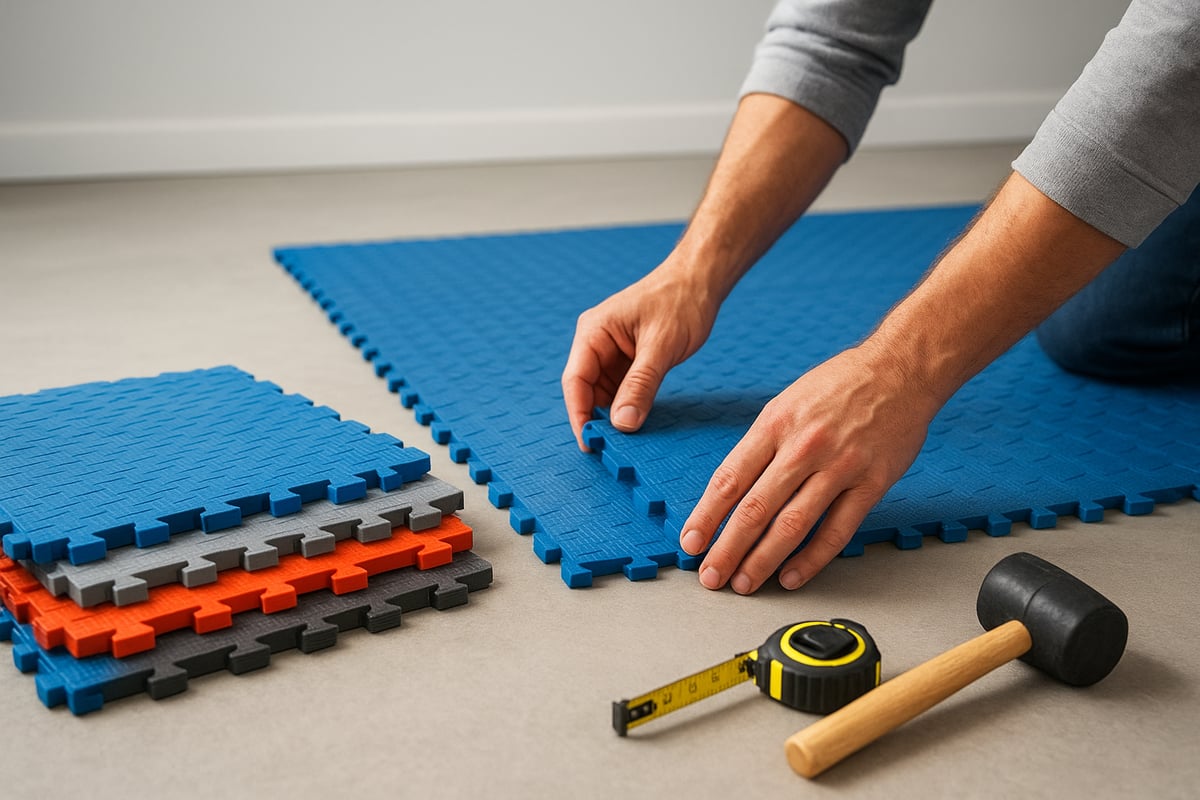
Dry-lay your modular floor tiles to confirm your design and check for fit. Start from the center or a strategic corner, depending on the space’s shape and your chosen pattern.
Follow manufacturer guidelines for the interlocking process. Align tiles carefully, pressing them together until you hear a click or feel them lock in place.
For large areas, periodically step back to review alignment and adjust as necessary. Modular floor tiles can often be installed in a single day, making them ideal for fast renovations.
Step 5: Trimming and Finishing
Once most modular floor tiles are in place, you’ll need to trim tiles around walls, pillars, or fixtures. Use a utility knife or jigsaw for precise cuts and always measure twice before cutting.
Install edge ramps and corner pieces to create smooth transitions and prevent tripping hazards. Inspect the entire floor for gaps or misaligned tiles, making adjustments as needed.
Taking the time to finish edges and corners properly enhances both the look and safety of your modular floor tiles installation.
Step 6: Post-Installation Care and Inspection
After installing modular floor tiles, clean the entire surface with manufacturer-recommended cleaners. This helps remove any dust or debris from installation.
Check each tile to ensure it is securely interlocked and there are no raised edges. Address any loose or uneven tiles right away.
Finally, review warranty information and maintenance guidelines to keep your modular floor tiles in top condition for years to come.
Tips for DIY vs. Professional Installation
For most residential spaces, DIY installation of modular floor tiles is straightforward, thanks to user-friendly interlocking designs. However, larger commercial areas or complex layouts may benefit from professional expertise.
Consider the following:
- DIY is cost-effective and flexible for simple rooms.
- Professional installers offer speed, precision, and custom design support.
- Complex spaces or heavy-duty applications may require specialized tools.
If you’re considering a self-install, consult DIY modular tile installation tips for expert guidance and troubleshooting. Whether you choose DIY or professional help, modular floor tiles deliver impressive results with minimal disruption.
Maintenance, Cleaning & Longevity of Modular Floor Tiles
Keeping modular floor tiles looking their best is simple with the right routine. Whether you have them in a residential or commercial setting, a few proactive steps can maximize both appearance and performance. This section covers maintenance, cleaning, and longevity, ensuring your investment stands the test of time.
Routine Cleaning and Upkeep
Regular maintenance of modular floor tiles is straightforward. Sweep or vacuum the surface to remove dust and debris, then mop with a mild detergent and warm water. For tougher messes, use a soft brush or non-abrasive pad. Always avoid harsh chemicals, as they can damage finishes or reduce slip resistance.
Different materials may require slight variations in care. For example, Marmoleum Modular tiles feature a Topshield pro finish that repels stains and makes cleaning easier. Consistent upkeep helps preserve the look and function of modular floor tiles for years.
Stain and Damage Prevention
Protecting modular floor tiles from stains and damage starts with prompt action. Clean up spills immediately, especially oils, chemicals, or food, to prevent staining or surface wear. Place mats or runners in entryways and high-traffic zones for added protection.
For garages and workshops, consider using drip trays under vehicles or equipment. In playrooms and gyms, regularly inspect tiles for scuffs or dents. Damaged tiles can be replaced individually, making modular floor tiles a cost-effective choice for long-term use.
Long-Term Durability and Wear
The durability of modular floor tiles depends on material, installation, and environment. PVC and polypropylene tiles are known for handling heavy loads and resisting chemicals, while rubber and foam offer excellent shock absorption. Linoleum and vinyl options provide resilience and longevity in residential and commercial spaces.
Advances in manufacturing, such as improved wear layers and UV resistance, boost tile lifespan even more. For recent developments in eco-friendly and durable flooring, see Sustainable Flooring Innovations 2024. Manufacturer warranties often range from 5 to 20 years, reflecting confidence in product performance.
Seasonal and Special Care
Seasonal changes can affect modular floor tiles, especially in garages or outdoor settings. In winter, keep salt and moisture from accumulating by using absorbent mats. During summer, ensure proper ventilation to prevent warping or mold growth.
For gyms and playrooms, regularly sanitize tiles to maintain hygiene and preserve anti-slip properties. If tiles are installed in wet or humid environments, make sure any drainage systems function as intended. These practices help modular floor tiles withstand diverse conditions.
Repair and Replacement
One of the main advantages of modular floor tiles is their replaceability. If a tile becomes stained or damaged, simply lift and swap it out for a new one. No need to disrupt the entire floor. Start by removing the affected tile with a flat tool, then click a replacement into place.
This process minimizes repair costs and downtime. Keep a few spare tiles on hand for quick fixes. Modular floor tiles are designed for easy, hassle-free maintenance in both homes and businesses.
Troubleshooting Common Issues
Occasionally, modular floor tiles may develop loose edges, warping, or discoloration. To fix loose tiles, ensure the interlocking tabs are fully engaged. For warping, check for moisture issues or temperature fluctuations, then address the root cause.
Discoloration can result from UV exposure or harsh cleaners. Use manufacturer-recommended products and consider UV-resistant tiles for sunlit spaces. Address noise by adding underlayment or choosing acoustic tile options.
Sustainability and End-of-Life Options
Sustainability is a growing priority for modular floor tiles. Many brands now offer recycling programs or take-back initiatives for worn-out tiles. When your flooring reaches the end of its life, contact the manufacturer for guidance on responsible disposal or repurposing.
Some products, such as iD Revolution: Eco-Friendly Floor Tiles, are made from recycled and bio-based materials, supporting circular economy goals. Choosing sustainable modular floor tiles reduces environmental impact while maintaining performance and style.
Top Brands, Buying Tips & Future Outlook for Modular Floor Tiles
Choosing the right modular floor tiles in 2026 means navigating a landscape filled with innovative products, reputable brands, and rapidly evolving technology. Understanding which brands lead the market, how to compare options, and where to buy can ensure you make a smart, future-ready investment.
Leading Brands and Product Lines in 2026
Several brands stand out in the modular floor tiles market for their innovation, durability, and design. Swisstrax is renowned for its Ribtrax Pro series, ideal for garages and commercial spaces. Forbo’s Marmoleum Modular line is celebrated for sustainability, offering natural, climate-positive tiles for interiors. MotoFloor and EZ Flex both deliver specialized solutions, from heavy-duty workshop tiles to shock-absorbing gym surfaces.
Each brand brings unique features, such as expanded color palettes, slip resistance, and eco-friendly materials. Choosing among these leaders ensures access to tested quality and long-term warranties.
How to Evaluate and Compare Products
When comparing modular floor tiles, prioritize material quality, warranty coverage, and safety certifications. Look for independent reviews and industry ratings to gauge real-world performance.
Requesting samples or visiting showrooms allows hands-on evaluation of texture, color, and interlocking fit. Compare design options, such as custom patterns or accent tiles, to ensure your chosen tiles align with your space’s needs.
Where to Buy Modular Floor Tiles
You can purchase modular floor tiles through authorized dealers, online specialty retailers, or big-box stores. Buying from specialists often provides access to design support and professional installation services.
Major brands like Swisstrax and Marmoleum have networks of certified resellers offering guidance and after-sales support. For hands-on buyers, direct-from-manufacturer websites and local flooring centers remain popular options.
Cost Considerations and Value
Modular floor tiles come in a range of price points, influenced by material, thickness, and intended application. Entry-level PVC tiles for garages are typically more affordable, while high-end vinyl or biobased tiles for offices and showrooms command a premium.
Consider the balance between upfront investment and long-term durability. Modular designs allow for replacing individual tiles, reducing maintenance costs over time and enhancing value.
Future Innovations and Market Outlook
The modular floor tiles market is poised for significant growth, driven by demand for customization, sustainability, and smart technology. Digital design tools, eco-friendly materials, and connected flooring solutions are reshaping consumer preferences.
For a detailed look at projected industry growth and trends through 2034, consult the Modular Flooring Market Growth Report 2034. As adoption rises across residential, commercial, and public sectors, expect further advancements in both performance and environmental impact.
Expert Tips for Buyers in 2026
Before purchasing, create a checklist covering load requirements, moisture exposure, and desired aesthetics. Always verify certifications and warranty terms, and avoid common pitfalls like underestimating installation complexity or skipping subfloor preparation.
Stay informed by following industry reports, attending flooring expos, and exploring new product launches. Investing time in research ensures your modular floor tiles selection will meet both current needs and future expectations.
As you explore the innovative trends, eco-friendly materials, and practical installation tips for modular floor tiles in 2026, you’ll see how much potential these solutions offer for transforming your garage, gym, or commercial space. Whether you’re inspired by cutting-edge designs or seeking durability and easy maintenance, finding the right partner is key to making your project a success. If you’re ready to bring your vision to life or want expert advice tailored to your space, you can get started with a Quick Quote today.

