

The Expert Guide to Gym and Garage Flooring in 2026

In 2026, the demand for advanced gym and garage flooring is rising as more homeowners and businesses convert spaces for fitness, hobbies, and work. Modern flooring is no longer just a surface, it is a key factor in safety, durability, and design.
The right choice in gym and garage flooring can help prevent injuries, ease maintenance, and boost property value. Selecting the best solution means your space will look great and perform at its best.
This comprehensive guide covers the latest trends, top materials, installation methods, and expert tips. Get ready to make a smart investment for your gym and garage flooring project.
The 2026 Landscape: Trends and Innovations in Gym & Garage Flooring
The landscape of gym and garage flooring is rapidly transforming in 2026. As more people convert garages and spare rooms into functional spaces, flooring requirements are evolving. Homeowners and businesses now demand solutions that deliver not only durability but also aesthetic appeal, eco-friendliness, and smart features.
Evolving User Needs and Space Utilization
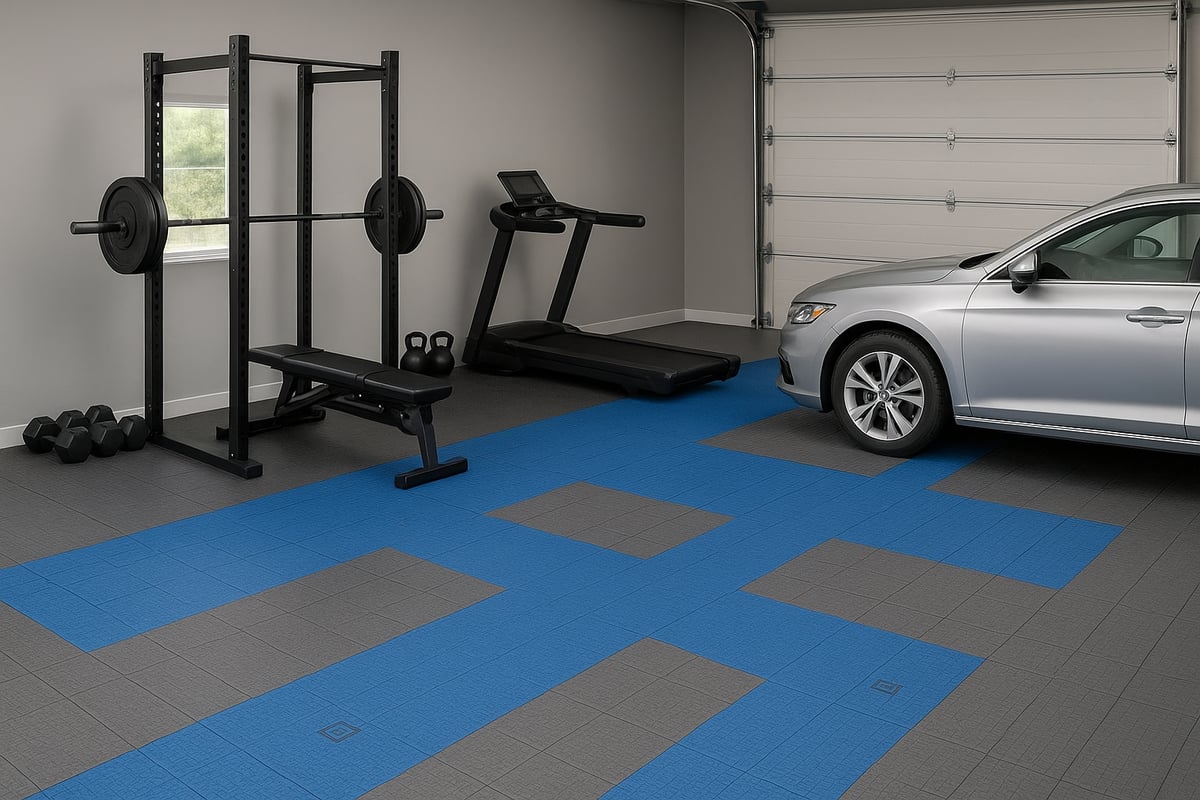
Multipurpose spaces are now the norm. Home gyms, hybrid garages, and hobby zones are increasingly popular. People want gym and garage flooring that can handle both intense workouts and the weight of vehicles.
Recent surveys show that 42% of homeowners plan to upgrade garages for dual use. This shift means flooring must meet varied performance standards while maximizing versatility.
- Support for fitness and automotive tasks
- Easy transitions between different activities
- Enhanced comfort for daily use
The keyword gym and garage flooring is central to these needs, as users expect surfaces to withstand impact, resist stains, and look visually appealing.
Sustainability and Eco-Friendly Materials
Sustainability is now a top priority in gym and garage flooring. Manufacturers are using recycled polymers and low-VOC materials to reduce environmental impact. Eco-certifications are influencing purchase decisions more than ever before.
Sales of eco-certified flooring have risen by 30%, reflecting a consumer shift toward greener options. Brands are also adopting sustainable manufacturing practices and closed-loop recycling.
Key sustainable features include:
- Recycled content in tiles and mats
- Low-emission adhesives and coatings
- Take-back and recycling programs
As a result, eco-friendly gym and garage flooring options are widely available and more advanced each year.
Smart and Connected Flooring Solutions
Technology is redefining gym and garage flooring in 2026. Smart sensors embedded in floors can now monitor impact absorption, temperature, and moisture levels. These insights help users maintain optimal conditions for workouts and vehicle storage.
App-connected systems send maintenance alerts or usage reports directly to your phone. This proactive approach minimizes the risk of damage and extends the lifespan of flooring materials.
- Real-time data for safety and performance
- Customizable alerts for cleaning or repairs
- Integration with smart home systems
Smart flooring transforms spaces into interactive environments, making gym and garage flooring more intelligent and user-friendly.
Design and Customization Trends
Personalization is driving design trends in gym and garage flooring. Consumers want custom colors, patterns, and even branded surfaces for both home and commercial spaces. Modular systems allow rapid reconfiguration to match changing needs or styles.
According to Top 8 Flooring Trends for 2026, modularity, bold patterns, and unique finishes are among the most sought-after features this year. These trends make it easy to create visually striking, functional spaces.
- Custom logos and graphics for commercial gyms
- Mix-and-match tiles for unique layouts
- Quick swaps for seasonal or event-based changes
Design flexibility ensures gym and garage flooring can adapt to any vision.
Enhanced Safety and Comfort Features
Safety is at the forefront of gym and garage flooring innovation. New anti-slip coatings and ergonomic cushioning reduce the risk of accidents and fatigue. Surfaces are engineered to resist temperature extremes, ensuring comfort year-round.
Data from Safety Floors UK indicates an 18% reduction in slip-related accidents with next-generation anti-slip surfaces. These advances are crucial for both fitness and automotive environments.
- Non-slip finishes for wet or oily conditions
- Shock-absorbing layers for high-impact activities
- Temperature-resistant materials for all climates
With these features, gym and garage flooring delivers peace of mind and lasting comfort.
Durability and Maintenance Innovations
Durability is essential for gym and garage flooring. UV-resistant and antimicrobial coatings protect surfaces from fading, stains, and bacteria. These innovations extend the usable life of flooring, reducing long-term costs.
Commercial gyms report a 40% increase in flooring lifespan thanks to advanced surface treatments. Maintenance is also simplified, with easy-to-clean materials and modular designs that make repairs quick and cost-effective.
- Stain-resistant finishes for heavy-duty use
- Simple cleaning routines for busy spaces
- Replaceable sections for targeted repairs
Modern gym and garage flooring solutions are built to withstand years of rigorous activity.
Market Leaders and Emerging Brands
Several brands are leading the way in gym and garage flooring innovation. Swisstrax, RubberFlooringInc, and a wave of smart tile startups are driving new technology and design standards.
Established names offer industry-leading warranties and proven performance, while emerging brands introduce fresh ideas and smart features. This competitive landscape results in more choices and better value for consumers.
- Trusted brands with robust product lines
- Startups focusing on smart and sustainable tiles
- Ongoing innovation in both materials and design
With so many options, finding the right gym and garage flooring is easier and more rewarding than ever.
Key Flooring Types for Gyms and Garages: Pros, Cons, and Best Uses
Choosing the right gym and garage flooring is essential for both functionality and style. Each flooring type offers unique benefits, limitations, and ideal applications. Explore the main options below to find the best fit for your space.
Modular Interlocking Tiles
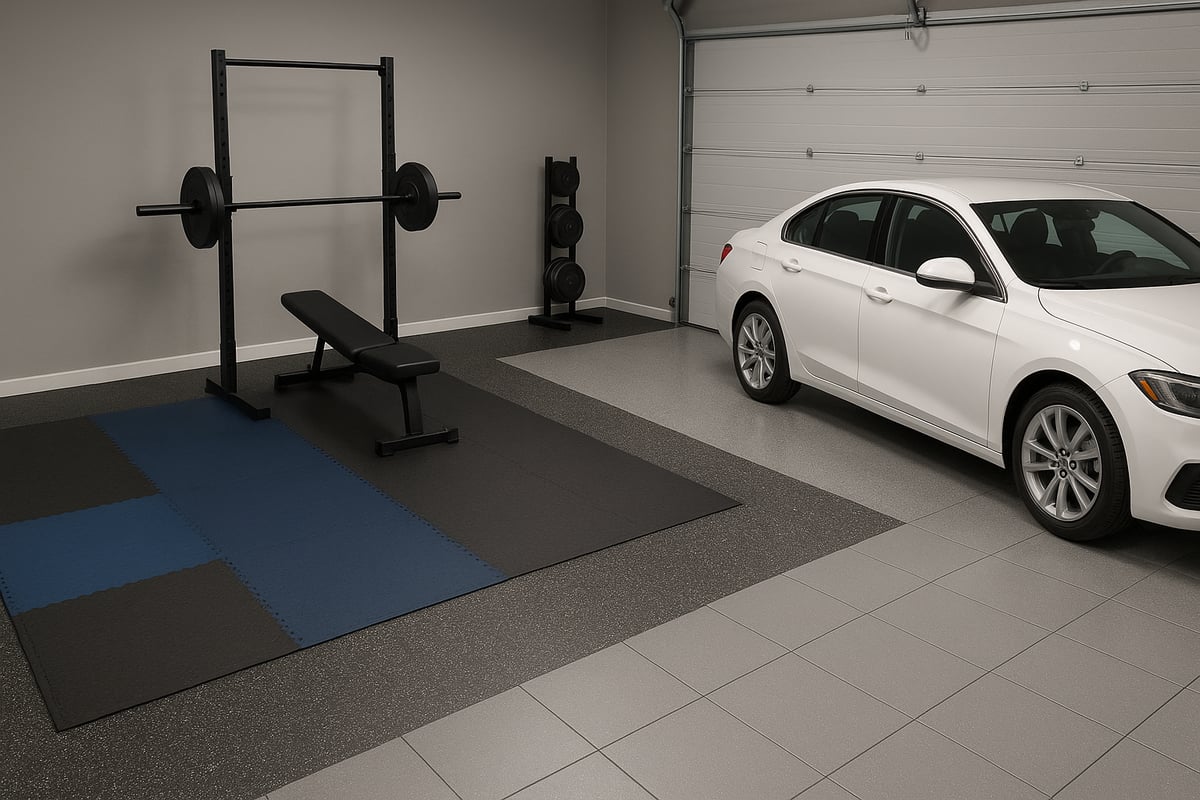
Modular interlocking tiles have become a leading choice for gym and garage flooring thanks to their versatility. These tiles are made from polypropylene, PVC, or rubber, and feature a snap-together design for quick installation.
Pros:
- Simple DIY installation
- Customizable patterns and colors
- Individual tiles are easily replaced if damaged
Cons:
- May require a smooth, prepared subfloor
- Costs vary based on material and design
Their durability supports heavy vehicles, gym equipment, and high foot traffic. For example, Swisstrax Ribtrax Pro tiles are engineered for intensive garage and gym use, offering advanced drainage and robust construction.
Modular interlocking tiles are ideal for those seeking a flexible, long-lasting gym and garage flooring solution.
Rubber Flooring Rolls and Tiles
Rubber flooring rolls and tiles are the gold standard for impact absorption in gym and garage flooring. They provide excellent shock absorption, reduce noise, and enhance slip resistance.
Best for:
- High-impact gym zones
- Weightlifting and cardio areas
- Spaces needing noise reduction
Cons:
- Can be heavy and challenging to move
- Seams may be visible, especially with tiles
Data shows that 60% of commercial gyms use rubber flooring due to its resilience and safety. This type of gym and garage flooring is perfect for users prioritizing comfort and protection.
Epoxy and Polyaspartic Coatings
Epoxy and polyaspartic coatings offer seamless, chemical-resistant finishes for gym and garage flooring. These coatings bond directly to concrete, creating a hard, glossy surface that resists oil, chemicals, and stains.
Pros:
- Highly customizable colors and patterns
- Ideal for garages with frequent automotive work
- Easy to clean spills and debris
Cons:
- Professional installation is usually required
- May crack if the subfloor shifts or is improperly prepared
Polyaspartic coatings are especially popular for their rapid curing times, making them a top pick for busy garages needing a fast turnaround. This option is best for those seeking low-maintenance gym and garage flooring with a sleek look.
Foam Tiles and Mats
Foam tiles and mats are a budget-friendly gym and garage flooring choice. Lightweight and portable, they are easy to install and rearrange.
Pros:
- Soft underfoot, providing ergonomic support
- Quick to install and relocate
- Affordable for temporary or light-use areas
Best for:
- Home gyms focused on floor exercises or yoga
- Play areas or low-impact zones
Cons:
- Less durable under heavy equipment or vehicles
- May compress over time
Foam tiles suit spaces where comfort is key and heavy loads are not expected in gym and garage flooring.
Vinyl and Luxury Vinyl Tiles (LVT)
Vinyl and luxury vinyl tiles (LVT) bring style and practicality to gym and garage flooring. They are water-resistant and come in a wide range of designs, from wood-look planks to bold patterns.
Pros:
- Simple to clean, resists moisture and staining
- Numerous design options for matching interior themes
- Comfortable for walking and light exercise
Cons:
- Can be slippery when wet
- Not suited for heavy-duty automotive work
Vinyl is a smart choice for gym and garage flooring in spaces where aesthetics and easy maintenance are priorities. In some cases, it can be used in both gym and garage zones to maintain visual consistency.
Concrete Sealers and Paints
Concrete sealers and paints provide a cost-effective solution for basic gym and garage flooring. They protect against dust, minor spills, and wear, while allowing for color customization.
Pros:
- Economical for large areas
- Quick application and drying times
- Customizable with paints or stains
Cons:
- Limited cushioning and comfort
- May require frequent reapplication in high-traffic spaces
Best for low-traffic garages or budget-conscious projects, this flooring type serves as an entry-level option for gym and garage flooring needs.
Specialty Hybrid Solutions
Specialty hybrid solutions combine materials like cork-rubber blends, antimicrobial surfaces, or smart tiles. These innovative options target specific challenges in gym and garage flooring.
Popular examples:
- Cork-rubber for natural comfort and sustainability
- Antimicrobial tiles for hygiene-focused spaces
- Smart tiles with embedded sensors for performance tracking
These niche products are ideal for users with unique requirements, such as eco-friendliness or advanced monitoring in their gym and garage flooring.
Step-by-Step Guide to Selecting the Perfect Flooring in 2026
Choosing the right gym and garage flooring requires a clear, methodical approach. Each space is unique, and a well-planned process ensures safety, durability, and satisfaction for years to come. This step-by-step guide will help you evaluate your needs, compare materials, and make a confident investment in flooring that aligns with your lifestyle and property goals.
Step 1: Assessing Your Usage and Needs
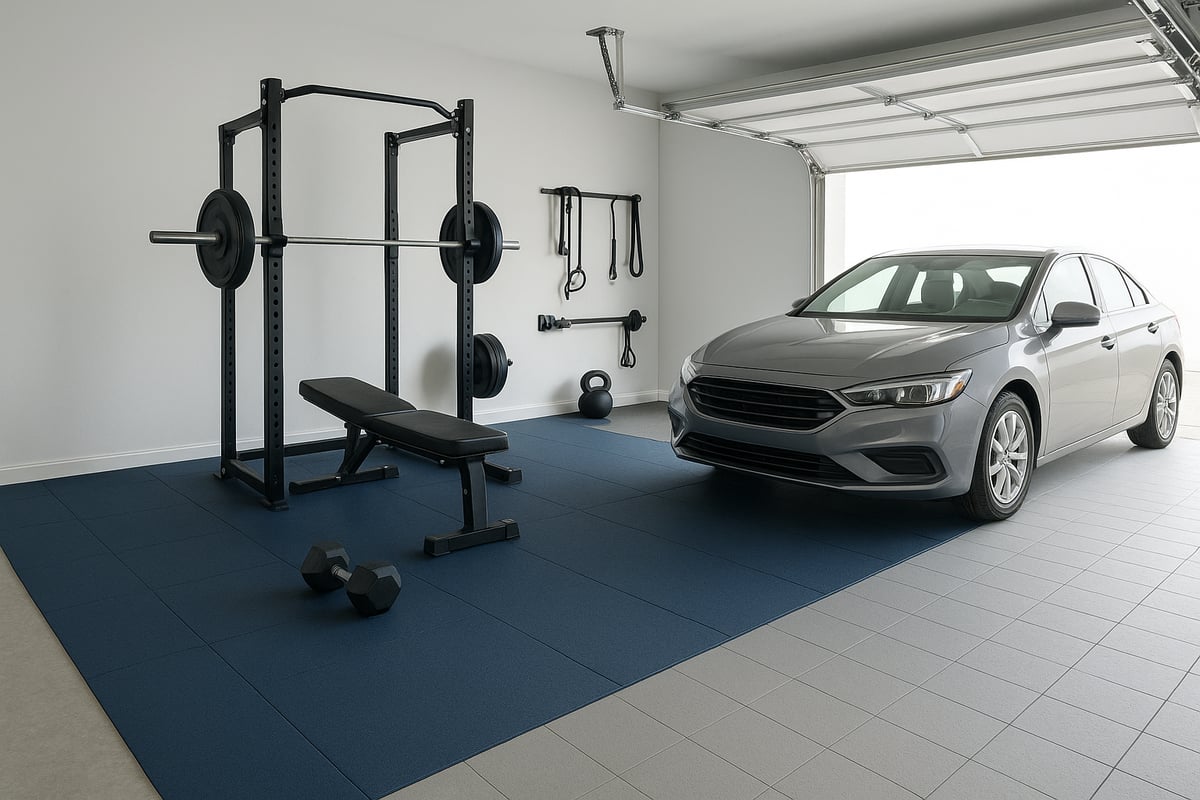
Begin by identifying how you will use your gym and garage flooring. Are you planning high-impact workouts, automotive repairs, or a mix of both? Consider the types of activities, frequency of use, and equipment involved. For example, a home gym with free weights needs superior shock absorption, while a garage with vehicle storage demands chemical resistance.
List your priorities:
- Weightlifting or cardio routines
- Automotive work or storage
- Hobby or multipurpose space
- Expected foot and equipment traffic
Aligning your flooring to these activities reduces injury risk and ensures lasting performance.
Step 2: Evaluating Your Space and Subfloor
Next, evaluate the physical condition of your space. Measure the area accurately, noting any irregularities like cracks, moisture, or unevenness. The success of gym and garage flooring often depends on the quality of the subfloor.
Check for:
- Moisture levels, especially in basements or ground-level garages
- Surface flatness and integrity
- Insulation, temperature, and humidity fluctuations
A well-prepared subfloor prevents costly issues. In fact, 25% of flooring failures are linked to subfloor problems, so address any concerns before installation.
Step 3: Setting Your Budget and Priorities
Budgeting is essential for a successful gym and garage flooring project. Factor in not only the upfront material costs but also long-term maintenance, installation, and lifespan. Are you seeking premium aesthetics, or is durability your main concern?
Consider:
- Upfront vs. lifetime cost
- DIY vs. professional installation expenses
- Maintenance requirements
- Design preferences and resale value
Balancing priorities ensures you maximize value without sacrificing important features.
Step 4: Comparing Material Options
With your needs and budget defined, compare the main flooring materials. Each type of gym and garage flooring offers unique benefits and drawbacks.
| Material | Pros | Cons | Best Use |
|---|---|---|---|
| Modular Tiles | Easy install, durable | Cost varies, subfloor prep | Heavy-duty, multipurpose |
| Rubber Rolls | Shock absorption | Visible seams, heavy | High-impact gym zones |
| Epoxy/Polyaspartic | Seamless, chemical resistant | Pro install, may crack | Automotive, showrooms |
| Foam Mats | Lightweight, affordable | Less durable | Light-use, play areas |
| Vinyl/LVT | Aesthetic, water-resistant | Can be slippery | Mixed-use, low traffic |
Match the flooring to your space’s purpose and climate for best results.
Step 5: Researching Brands and Warranties
Not all gym and garage flooring brands deliver the same value. Research leading manufacturers, read user reviews, and compare warranty terms. Look for industry certifications or eco-friendly credentials if sustainability matters to you.
Tips:
- Choose brands with proven track records
- Review warranty lengths and coverage details
- Check for certifications like low-VOC or recycled content
For example, Swisstrax offers a limited lifetime warranty on their modular tiles, adding peace of mind for long-term use.
Step 6: Planning for Installation and Maintenance
Installation and upkeep can impact your experience with gym and garage flooring. Decide if you prefer a DIY install or professional service. Modular systems are ideal for DIY, while coatings may need expert handling.
Maintenance checklist:
- Ease of cleaning and repair
- Access to spare parts or tiles
- Future upgrade potential
Modular floors can reduce downtime by up to 50% during repairs, making ongoing care far simpler.
Step 7: Visualizing and Customizing Your Design
Finally, bring your vision to life by customizing your gym and garage flooring. Use online tools to experiment with layouts, colors, and patterns. This step helps you see how your choices will look and function before committing.
For a hands-on approach, the Swisstrax 3D Floor Designer Tool lets you create and visualize custom flooring plans, ensuring every detail matches your needs and style.
A thoughtful design not only boosts aesthetics but can also reflect your brand or personality, creating a truly unique space.
Installation Methods: DIY vs. Professional Approaches
Choosing the right installation method for gym and garage flooring is crucial for achieving long-term durability and performance. Homeowners and businesses must weigh the pros and cons of DIY versus professional approaches based on their space, budget, and project complexity. Each option offers unique advantages, and understanding these can help you make the best investment for your needs.
DIY Installation: When and How
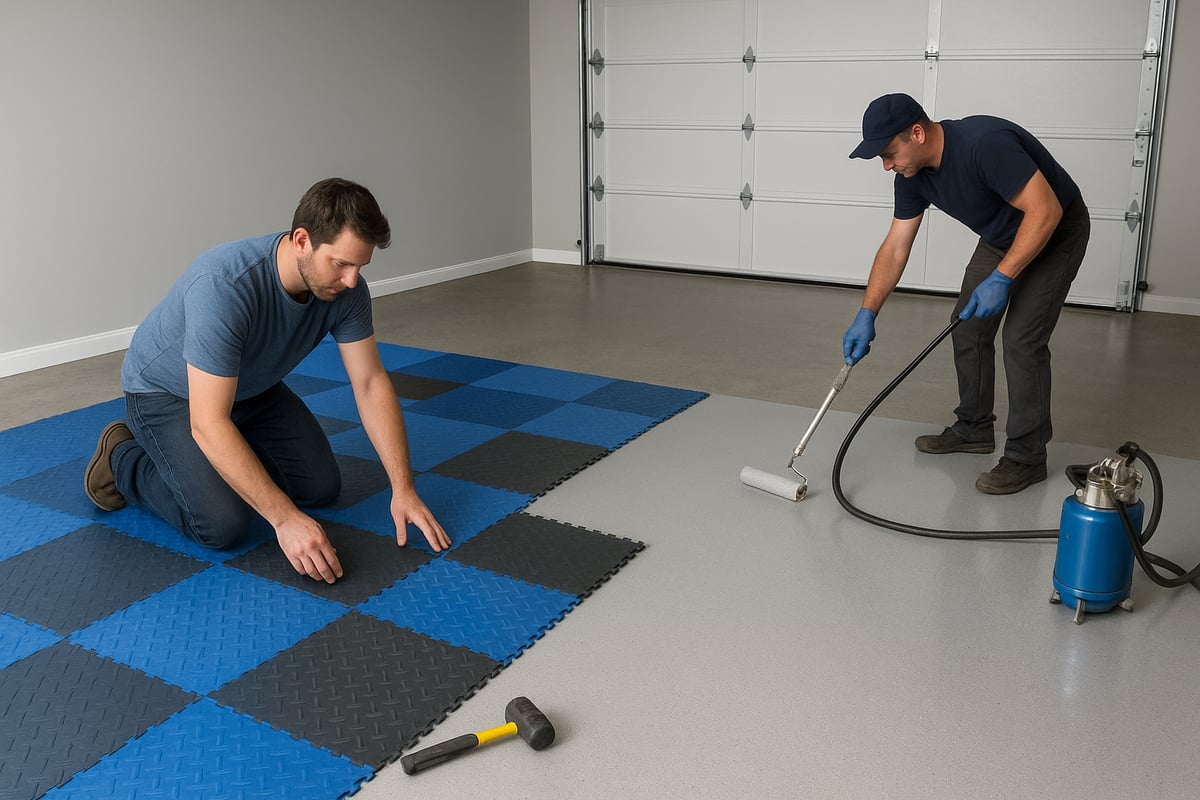
DIY installation is a popular choice for modular tiles, foam mats, and some vinyl flooring options. Many homeowners opt for this route because it offers flexibility, cost savings, and a sense of accomplishment. The process involves prepping the subfloor, snapping tiles together, trimming edges, and adding ramps or corners for a finished look.
Essential tools include a tape measure, utility knife, rubber mallet, and straightedge. While the process is straightforward, attention to detail is key to ensure a seamless finish. Common pitfalls include inadequate subfloor prep and inaccurate measurements, which can impact the longevity of gym and garage flooring.
For a detailed walkthrough, the DIY Installation Instructions page provides step-by-step guidance tailored to modular tile systems. On average, installing modular tiles in a single garage takes about 3 to 5 hours, making it manageable for most DIY enthusiasts.
Professional Installation: Benefits and Scenarios
For projects involving epoxy coatings, large commercial spaces, or complex layouts, professional installation is often required. Professionals bring specialized knowledge, ensuring proper subfloor preparation, flawless finishes, and warranty protection. Their expertise minimizes the risk of installation errors, which can be costly and time-consuming to fix.
Businesses and homeowners with demanding gym and garage flooring needs often choose professional installers for peace of mind and long-term value. For example, commercial gyms that opt for professional installation report 25 percent fewer post-installation issues, highlighting the benefits of expert service.
Professional installers also have access to industrial-grade equipment and materials, which can enhance the durability and appearance of the finished floor. This approach is ideal for those seeking a high-end result or working within tight project timelines.
Cost Comparison and Timeline
Cost and timeline are significant factors when selecting an installation method for gym and garage flooring. DIY installations typically involve lower upfront costs, as you save on labor. The main expenses are materials, tools, and your own time.
Professional installation adds 20 to 40 percent to the overall project cost, but this investment often extends flooring lifespan and reduces future maintenance needs. The table below summarizes typical costs and timelines:
| Installation Method | Cost (Single Garage) | Time Required |
|---|---|---|
| DIY (Modular Tiles) | £400–£1,000 | 3–5 hours |
| Professional (Epoxy) | £1,000–£2,000+ | 1–2 days |
For a comprehensive overview of options and associated costs, the Garage Flooring Solutions Guide offers valuable insights.
Hybrid Approaches and Support Services
Hybrid installation approaches are gaining popularity in gym and garage flooring projects. Homeowners may handle basic prep work, such as cleaning and leveling the subfloor, then bring in professionals for specialized tasks like applying coatings or final detailing.
Many suppliers now offer online design consultations and quick-quote services, allowing you to plan your project efficiently. These support services help bridge the gap between DIY and professional approaches, offering flexibility without sacrificing quality.
By combining both methods, you can control costs while still achieving a professional-grade finish. This approach works especially well for larger or more complex projects where expertise and customization are essential.
Common Installation Mistakes to Avoid
Avoiding common mistakes is essential for maximizing the lifespan of gym and garage flooring. The most frequent errors include inadequate subfloor preparation, poor measurements, and skipping acclimation of materials before installation. These issues can lead to uneven surfaces, premature wear, and costly repairs.
Data from the UK Flooring Association in 2025 reveal that 35 percent of flooring issues are traced directly to installation errors. Taking the time to follow manufacturer instructions and seeking expert advice when needed can help you avoid these pitfalls and ensure your investment stands the test of time.
Careful planning and attention to detail, regardless of the chosen installation method, are the keys to a successful, long-lasting floor.
Maintenance, Cleaning, and Longevity: Maximizing Your Investment
Proper maintenance and cleaning are essential to protect your gym and garage flooring investment. By following best practices, you can extend floor lifespan, preserve appearance, and ensure safety. This section offers expert strategies for daily care, prevention, repairs, and eco-friendly disposal, empowering you to maximize value from your gym and garage flooring.
Routine Cleaning Best Practices
Regular cleaning keeps gym and garage flooring safe and attractive. Sweep or vacuum dust and debris at least twice weekly. For rubber tiles or modular systems, use a mop with mild detergent and warm water. Avoid harsh chemicals, which can damage surface treatments and reduce lifespan.
| Flooring Type | Recommended Cleaning | Frequency |
|---|---|---|
| Modular Tiles | Vacuum + damp mop | Weekly |
| Rubber Rolls | Sweep + neutral cleaner | Weekly |
| Epoxy Coatings | Dust mop + gentle wash | Biweekly |
| Foam Mats | Vacuum + spot clean | As needed |
| Vinyl/LVT | Damp mop + pH-neutral | Weekly |
For stubborn stains on gym and garage flooring, act quickly to prevent permanent marks. Use manufacturer-recommended products and tools, and always dry the surface thoroughly after washing.
Preventative Care and Protection
Preventative measures greatly reduce wear and damage. Place entry mats to capture grit and moisture before it reaches your gym and garage flooring. Use furniture pads under heavy equipment and rotate machines periodically to avoid compression marks.
High-traffic zones benefit from protective coatings or clear runners, especially in garages with vehicle traffic. Address spills immediately, especially oils, to prevent staining. Sustainable options, like recycled-content mats, help protect your investment and the environment. For more ideas on eco-friendly protection, explore Sustainable Gym Flooring Options by Indigo Fitness.
Repairs and Replacement Strategies
Even the most durable gym and garage flooring may require repairs. Modular tiles offer the easiest fix—simply lift and replace damaged sections. Keep a few spare tiles or planks on hand for quick swaps.
For rolled rubber or coatings, patch kits are available for minor damage. However, extensive wear may require professional resurfacing or full replacement. Always follow manufacturer guidance to maintain warranties.
Dealing with Common Issues
Common problems like cracks, warping, fading, or unpleasant odors can affect gym and garage flooring. UV-protected surfaces reduce color fading. Address moisture quickly to prevent warping, and ensure adequate ventilation to control odors.
If cracks develop in coatings or concrete, fill them promptly to stop spreading. For persistent odors, deep clean with approved products and increase airflow. Regular inspections help catch issues early, minimizing costly repairs.
When to Upgrade or Refinish
Knowing when to upgrade gym and garage flooring is crucial for safety and aesthetics. Signs include persistent stains, deep wear, surface delamination, or loss of cushioning. Epoxy coatings often need refinishing every 5–10 years, while modular tiles can last over 20 years with proper care.
If repairs become frequent or the floor no longer meets your needs, consider a full upgrade. New materials offer improved durability, safety features, and design flexibility.
Long-Term Cost of Ownership
Calculating the true cost of gym and garage flooring involves more than just installation. Consider ongoing cleaning, occasional repairs, and the expected lifespan of each flooring type. Warranties and maintenance requirements also impact total ownership costs.
| Flooring Type | Avg. Lifespan | Maintenance Level | Replacement Cost (per m²) |
|---|---|---|---|
| Modular Tiles | 20+ years | Low | Moderate |
| Rubber Rolls | 10–15 years | Medium | Moderate |
| Epoxy Coatings | 5–10 years | Medium | High |
| Foam Mats | 3–5 years | Low | Low |
Investing in higher-quality gym and garage flooring can yield better long-term returns by reducing repair and replacement frequency.
Sustainable Disposal and Recycling
Disposal of old gym and garage flooring is an environmental consideration. Many modular systems are recyclable, and some manufacturers now offer take-back programs. For instance, innovative programs like Ecore's TRUcircularity Program Converts Gym Flooring into Playgrounds transform used flooring into new products, reducing landfill waste.
When replacing your floor, check local recycling guidelines or contact your installer about eco-friendly disposal options. Choosing recyclable materials from the start makes future upgrades more sustainable.
After exploring the latest trends and expert recommendations for gym and garage flooring in 2026, you can see how choosing the right solution impacts everything from safety and durability to style and long term value. If you’re ready to transform your space with premium modular tiles and professional guidance, getting a tailored estimate is the perfect next step. You’ll get clarity on options, pricing, and installation—so you can make the best choice for your home or business. Let us help you bring your vision to life with confidence.
Quick Quote
Article written using RankPill.

