

Garage Flooring Guide: Expert Tips and Trends for 2026

Imagine stepping into a garage where the floor is as sleek and functional as the car it supports. Transforming your space with the right garage flooring not only boosts durability and style, but also adds lasting value to your home. In this comprehensive guide, you’ll discover the latest materials, innovative designs, expert installation advice, and maintenance secrets shaping the future of garage floors. Ready to explore the trends and tips that will help you make the perfect choice for your garage? Let’s get started.
Understanding Garage Flooring: Purpose and Performance
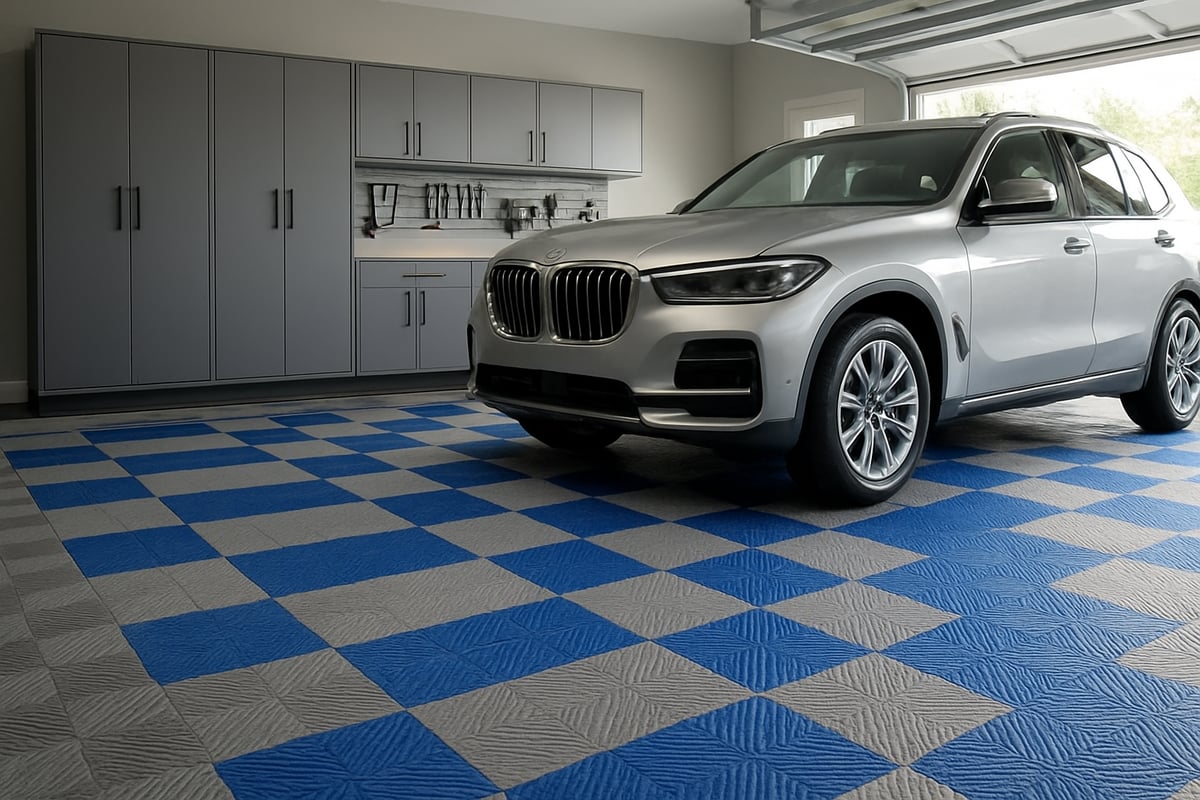
Garage flooring plays a vital role in today’s homes, delivering much more than just a surface to park your car. It shields the underlying concrete from stains, cracks, and moisture, ensuring the longevity of your garage structure. Upgraded garage flooring also enhances the overall look and feel of the space, often boosting a property’s value and curb appeal. A well-chosen floor provides a safer, non-slip area for vehicles and foot traffic, making your garage more versatile. Many homeowners find that a modern garage floor supports a range of activities, from workouts to creative projects. In fact, some report up to a 10% increase in property value after installing premium garage flooring.
The Role of Garage Flooring in Modern Homes
Garage flooring is designed to serve several key purposes. First, it protects the concrete beneath from oil spills, water damage, and cracking. Second, it upgrades the overall appearance of the garage, making it feel like a true extension of your home. Third, it offers a safer walking surface, reducing the risk of slips and falls. Finally, garage flooring makes it possible to use the area for more than just storage or parking. Whether you convert your garage into a gym, workshop, or home office, the right floor can support your needs and add real value.
Key Performance Criteria for Garage Floors
When evaluating garage flooring, homeowners should focus on specific performance criteria. The floor needs to withstand heavy vehicle loads and resist chemicals like oil, gasoline, and cleaning agents. Water and stain resistance are equally important, especially in climates with rain or snow. Easy cleaning and low maintenance are highly valued, as is comfort underfoot for those who spend long hours in the garage. Insulation properties can help maintain a comfortable temperature year-round. According to industry data, 75% of new garage flooring products now feature enhanced chemical resistance, reflecting these evolving needs.
- Durability under heavy loads
- Resistance to chemicals and moisture
- Easy maintenance
- Comfort and insulation
Common Problems with Traditional Garage Floors
Despite their practicality, traditional concrete garage floors often develop several issues over time. Concrete dusting and surface erosion can occur, leading to a messy environment. Oil and fluid stains are common, and these can be difficult to remove. Freeze-thaw cycles may result in unsightly surface cracks, especially in colder regions. Wet conditions can make the floor dangerously slippery, increasing the risk of accidents. In fact, 60% of surveyed homeowners list staining as their primary complaint with standard garage flooring.
- Concrete dusting
- Oil and fluid stains
- Surface cracking
- Slippery when wet
How Garage Flooring Solutions Have Evolved
Garage flooring has advanced significantly, moving away from basic sealers to innovative coatings and modular tile systems. Eco-friendly, low-VOC materials are now widely available, supporting healthier homes and sustainability goals. Customisation is another major trend, with a variety of colours, patterns, and textures on offer. Modern solutions even integrate smart features, such as anti-fatigue properties and built-in drainage. According to market trends, roll-out vinyl and modular tiles now make up 40% of new installations, reflecting a clear shift in consumer preferences. For a deeper dive into the latest options, see this Garage Flooring Options Explained guide.
Garage Flooring Types: Comparing 2026’s Top Solutions
When exploring garage flooring in 2026, homeowners and professionals have more choices than ever before. Each solution offers unique advantages in durability, style, and ease of installation. Let us take a closer look at the leading types of garage flooring shaping the industry this year.
Epoxy and Polyaspartic Coatings
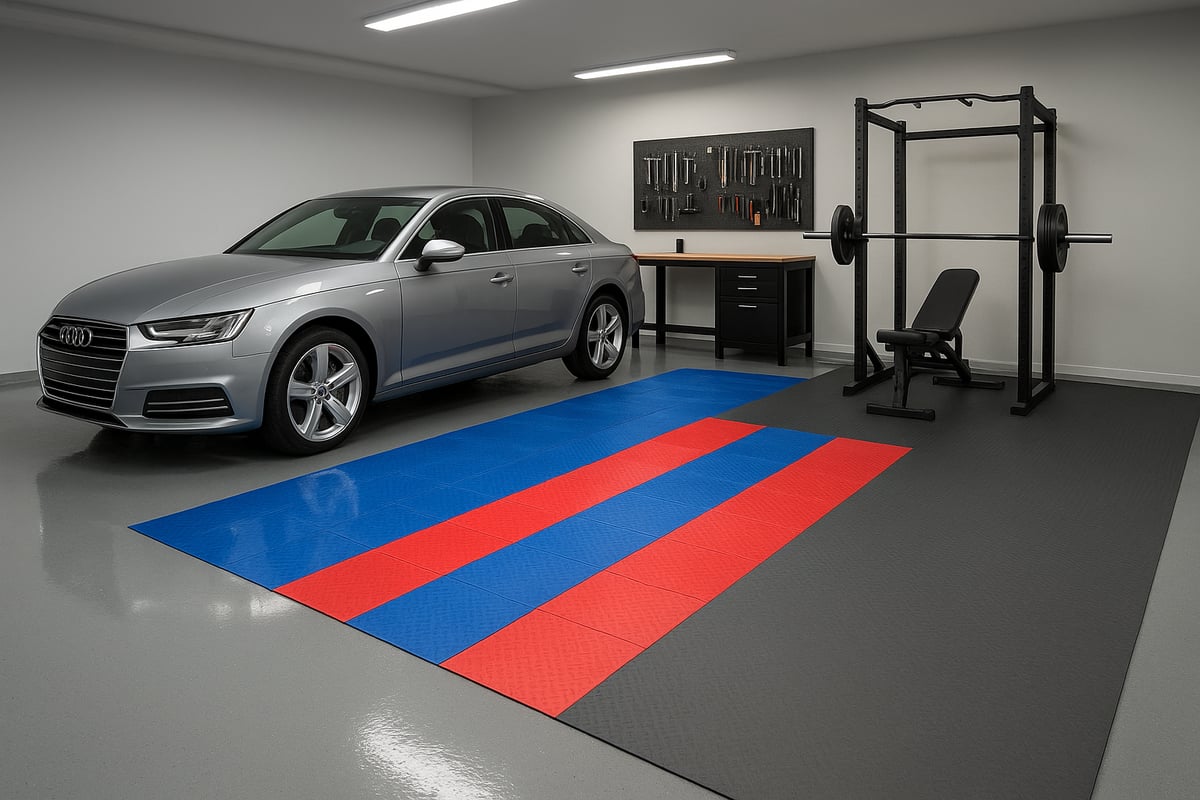
Epoxy and polyaspartic coatings remain the gold standard for seamless, high-performance garage flooring. These coatings provide a striking, high-gloss finish that instantly elevates any space.
Polyaspartic formulas cure quickly, allowing for faster project completion and minimal downtime. Both types deliver exceptional resistance to chemicals, abrasion, and tire marks, making them ideal for garages exposed to oil, salt, and frequent vehicle traffic.
UV-stable options keep colors vivid and prevent yellowing over time. Industry projections show polyaspartic coatings will grow by 12 percent by 2026, reflecting their popularity for demanding environments. For those seeking a modern, showroom-ready garage flooring solution, these coatings are an excellent choice.
Modular Interlocking Tiles
Modular interlocking tiles are revolutionizing garage flooring with their DIY-friendly installation and endless customization. Crafted from PVC, polypropylene, or advanced composites, these tiles snap together without adhesives or special tools.
The range of colors, patterns, and finishes allows homeowners to personalize their garage flooring to match vehicles, cabinetry, or branding. Individual tiles can be swapped out if damaged, ensuring easy long-term maintenance.
Brands like Swisstrax Ribtrax Pro stand out for their durability and design options. For an in-depth look at tile choices, patterns, and expert installation tips, see the Floor Tiles for Garage Floor Guide. Modular tiles are a top pick for custom garage flooring projects in 2026.
Roll-Out Vinyl and Rubber Flooring
Roll-out vinyl and rubber flooring offers a quick, practical solution for covering large garage spaces. These heavy-duty sheets or rolls lay flat over existing concrete, providing instant waterproofing and slip resistance.
Available in coin, diamond, ribbed, and smooth textures, this garage flooring type is easy to clean and ideal for high-moisture environments. Leading brands like G-Floor offer robust options, popular for both residential and commercial garages.
Installation is straightforward, requiring minimal tools and no adhesives for most applications. Roll-out flooring is a favorite for those needing a fast upgrade with reliable performance and style flexibility.
Garage Floor Mats and Carpeting
Garage floor mats and specialized carpeting provide flexible coverage for targeted zones or full garage transformations. Mats come in absorbent or waterproof varieties, making them suitable for wet climates or areas with frequent spills.
They are simple to install and remove, making seasonal changes or deep cleaning easy. Drainage mats help keep workspaces dry, while carpeted options add comfort for home gyms or workshops.
These solutions are perfect for protecting high-traffic areas or creating designated workspaces within the garage. Their portability and versatility make mats and carpeting a practical addition to any garage flooring plan.
Concrete Sealers and Paints
Concrete sealers and paints remain a budget-friendly entry point for garage flooring upgrades. These products protect against moisture, stains, and light wear, offering clear, colored, or decorative finishes.
While not as durable as advanced coatings or tiles, sealers are easy to apply and reapply as needed. They are well suited for rental properties or basic upgrades where cost is a primary concern.
Periodic maintenance is necessary to maintain protection and appearance. Despite their limitations, sealers and paints hold a steady place in the garage flooring market for those seeking simple, affordable solutions.
Specialty and Hybrid Flooring Options
Specialty and hybrid flooring options are gaining ground in 2026, blending aesthetics with heavy-duty performance. Products like vinyl composite tiles, luxury vinyl planks, and hybrid overlays mimic the look of wood or stone while withstanding the rigors of garage use.
Anti-fatigue and cushioned mats enhance comfort for workshops, while smart flooring integrates features like LED lighting or sensors. Demand for hybrid garage flooring is rising 8 percent year over year, driven by growing interest in multi-use spaces.
These advanced solutions meet the evolving needs of homeowners who want style, safety, and innovation in their garage flooring.
Expert Tips for Choosing the Right Garage Flooring
Selecting the best garage flooring is a significant investment that impacts your home's value, safety, and overall functionality. With so many options available, understanding what matters most will help you make a choice that stands the test of time. This expert guide breaks down the key considerations every homeowner should weigh before making a decision.
Assessing Your Garage’s Needs and Usage
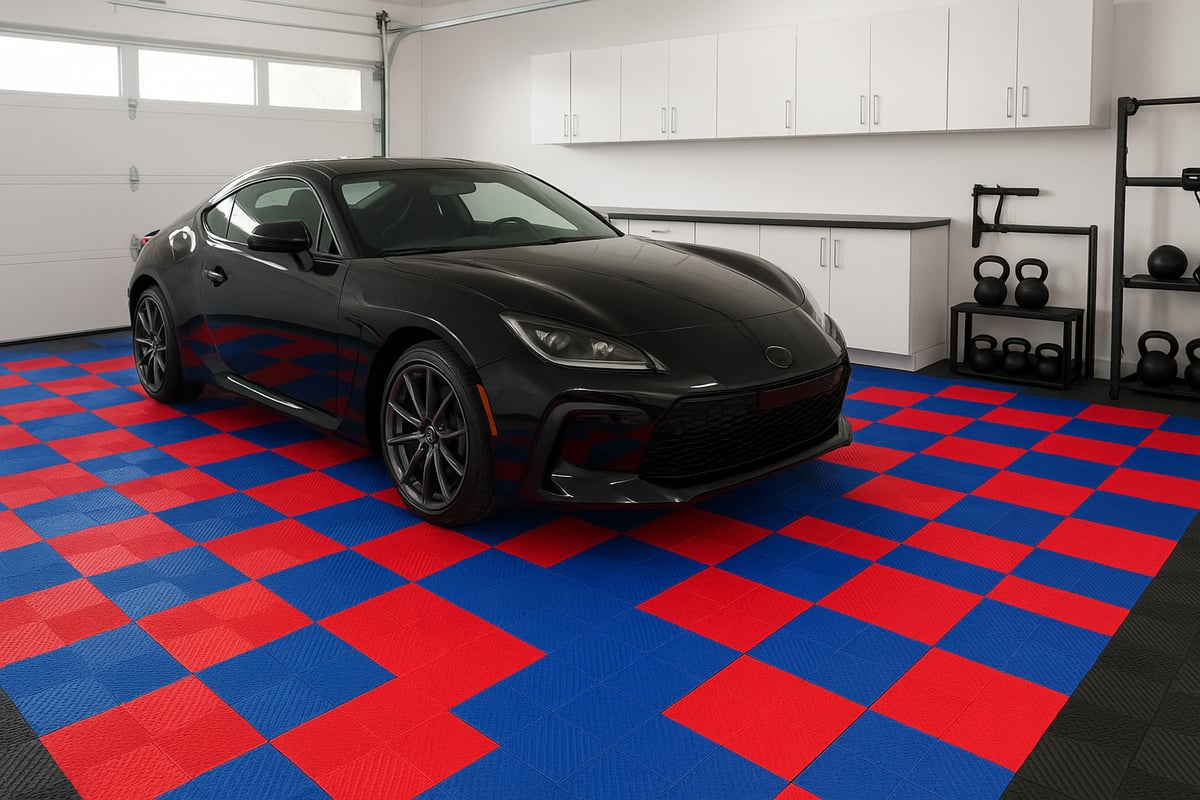
Before choosing garage flooring, assess how you use the space. Do you park heavy vehicles, run a home gym, or use your garage as a workshop? Each purpose impacts your material choice. For example, if your garage experiences frequent temperature changes or moisture, select flooring that resists expansion and mold. Heavy-duty modular tiles work best for commercial garages or areas with high traffic. Always match your garage flooring solution to your unique needs for optimal performance and longevity.
Budgeting and Cost Considerations
Your garage flooring investment should balance upfront expense with long-term value. Compare initial costs for materials and installation with projected maintenance savings. For example, modular tiles range from £6.99 to £13.49 per tile, roll-out vinyl is $2 to $5 per square foot, and coatings cost $3 to $7 per square foot. Remember to factor in professional installation fees if required. Warranties and service agreements can add further peace of mind, especially since 70% of homeowners value durability over price.
| Flooring Type | Material Cost | Installation | Lifespan |
|---|---|---|---|
| Modular Tiles | £6.99–£13.49/tile | DIY/Pro | 20+ years |
| Roll-out Vinyl | $2–$5/sq. ft. | DIY/Pro | 10–15 years |
| Epoxy/Polyaspartic | $3–$7/sq. ft. | Professional | 5–10 years |
Aesthetic and Design Preferences
Garage flooring is no longer just functional—it can be a design statement. Choose colors and patterns that coordinate with your vehicles, walls, or cabinets. Popular choices include diamond plate, coin, ribbed, or smooth textures. For personalization, add custom logos, borders, or inlays. Visualisation is easier than ever with digital tools like the Swisstrax 3D Floor Designer Tool, which lets you preview your layout before installation. This ensures your garage flooring fits your exact style vision.
Installation Methods: DIY vs. Professional
Installation method is a pivotal factor in garage flooring success. Modular and interlocking tile systems are designed for easy DIY projects, requiring minimal tools and time. Roll-out mats and vinyl sheets are also DIY-friendly. However, coatings and sealers demand thorough surface preparation and professional expertise to guarantee durability and warranty protection. According to industry data, 60% of homeowners prefer professional installation for coatings, while DIY options are popular for basic upgrades. Choose the approach that matches your skill level and desired finish.
Durability, Maintenance, and Lifespan
When selecting garage flooring, consider how long each material will last and how much effort maintenance will require. Epoxy coatings typically last 5–10 years, modular tiles can exceed 20 years, and roll-out vinyl lasts 10–15 years. Regular cleaning—such as sweeping and mopping—prolongs the life of your floor. Some systems, like tiles, allow for easy replacement of damaged sections. Products like G-Floor are praised for being low-maintenance and resilient against tire marks, chemicals, and UV exposure, keeping your garage flooring looking new for longer.
Environmental and Health Considerations
Modern garage flooring offers solutions that are both safe and sustainable. Look for low-VOC and non-toxic materials to improve indoor air quality. Many modular tiles are recyclable and produced through environmentally responsible processes. Slip-resistant and anti-microbial surfaces add another layer of safety, while heat and fire resistance are critical for protection. The trend toward green-certified garage flooring is growing, with more homeowners seeking eco-friendly products that align with their values and health priorities.
Elite Modular Flooring: Premium Modular Tile Solutions
Elite Modular Flooring provides Swisstrax modular tiles, recognized for their strength, style, and ease of installation. These tiles are ideal for residential garages, commercial spaces, gyms, and showrooms. With a wide color palette, slip and chemical resistance, and minimal maintenance, Swisstrax tiles deliver high-performance garage flooring. Elite Modular Flooring offers professional nationwide installation and 3D design services, ensuring your project meets exact specifications. Projects across the UK showcase Swisstrax Ribtrax Pro tiles as a benchmark for quality in garage flooring solutions.
Step-By-Step Guide: Installing Garage Flooring Like a Pro
Transforming your garage flooring can elevate your entire space, making it more functional and visually appealing. Whether you’re upgrading for aesthetics, durability, or resale value, a professional approach ensures lasting results. Follow these expert steps to achieve a flawless garage flooring installation.
Step 1: Prepare and Clean the Surface
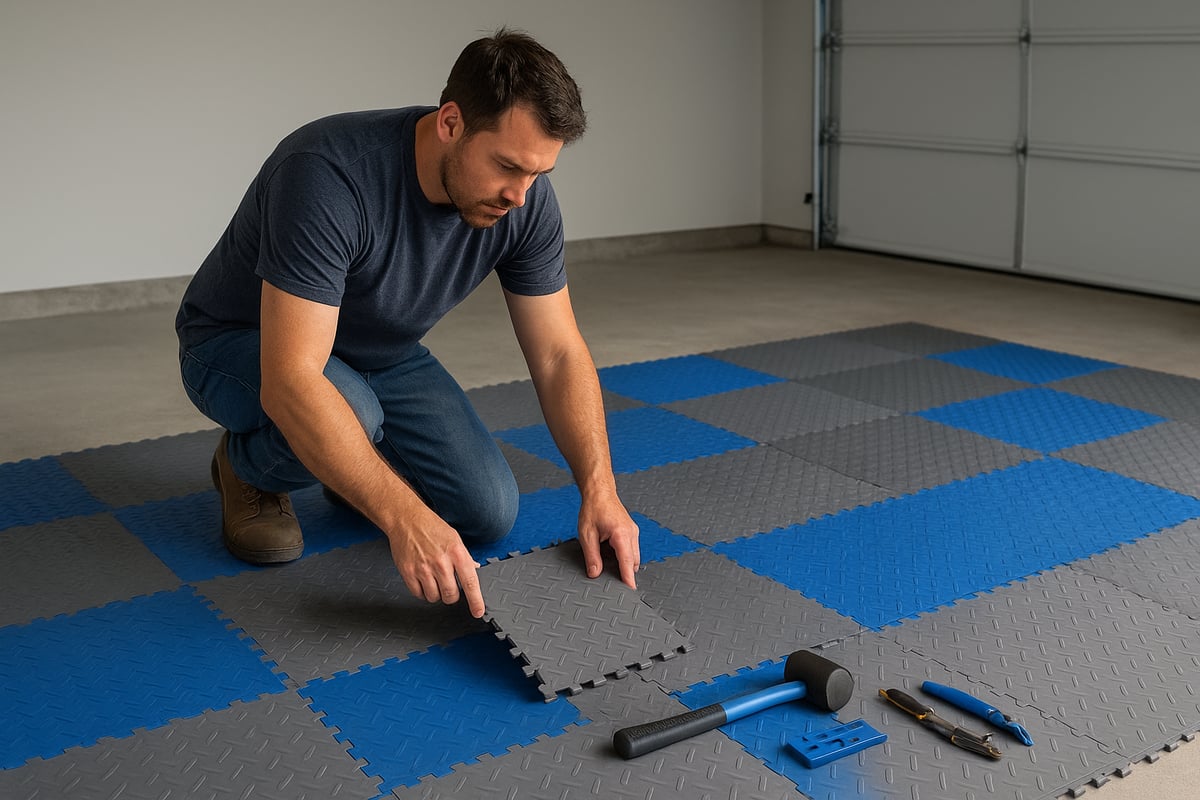
Start by clearing every item from your garage. Sweep thoroughly to remove dust and debris. Next, use a degreaser to eliminate oil stains and residues. Inspect the concrete for cracks or uneven spots, filling and leveling as needed.
Allow the floor to dry completely before proceeding. This preparation step is crucial, as a clean surface ensures garage flooring materials adhere properly and last longer. Proper prep can increase coating adhesion by up to 30 percent, reducing the risk of peeling or bubbling.
Step 2: Measure and Plan Your Layout
Accurate measurement is vital for successful garage flooring installation. Use a tape measure to record the exact dimensions of your garage, including any alcoves or recesses. Identify obstacles like cabinets, drains, or appliances that may affect placement.
Sketch a simple layout or use 3D design software to visualize the finished floor. Planning ahead helps maximize coverage and minimize waste. Modular tiles can be trimmed for a custom fit, ensuring no area is left unprotected by your new garage flooring.
Step 3: Choose and Acquire Materials
Select the best garage flooring solution based on your earlier assessment. Calculate the precise quantity of tiles, rolls, or mats required, factoring in extra material for future repairs.
Order all materials in advance, considering delivery times and warranty policies. If using adhesives or coatings, check compatibility with your existing floor. For brands like Swisstrax, tiles are sold individually, making it easy to purchase exactly what you need for your garage flooring project.
Step 4: Install the Flooring
Follow the manufacturer’s instructions closely for your chosen garage flooring system. For modular tiles, start in one corner and snap pieces together, working your way across the space. For roll-out materials, unroll, cut to fit, and secure edges if needed.
If applying coatings, mix according to instructions, apply with a roller, and allow proper curing time. Always wear protective gear and ventilate the area, especially when working with chemicals. For more advice, review these DIY Garage Floor Installation Tips to ensure a smooth process.
Step 5: Finishing Touches and Maintenance Setup
Install edge ramps or transitions to prevent tripping and enhance the appearance of your garage flooring. If necessary, seal seams or edges for added protection. Establish a cleaning and inspection routine to maintain the floor’s condition.
Store spare tiles or a repair kit for quick fixes. Well-maintained garage flooring can last up to 50 percent longer, providing lasting value and safety for your space.
Garage Flooring Trends for 2026: What’s Next?
The world of garage flooring is evolving rapidly, with 2026 set to bring a wave of innovation, style, and technology to this essential home space. Homeowners are no longer settling for basic surfaces, instead opting for garage flooring that delivers both visual impact and practical benefits. Let us explore the top trends shaping the future of garage flooring.
Bold Colours and Custom Designs
Garage flooring is breaking away from traditional greys and blacks, embracing bold colors such as electric blue, fiery red, and even multi-tone patterns. Homeowners are now seeking to personalize their garages with custom logos, racing stripes, and unique inlays that reflect their style or automotive passion.
According to recent industry insights, approximately 35% of new garage flooring installations now feature custom color selections or artistic layouts. This shift is part of a broader movement toward artistic expression in home design. For more creative inspiration, you can explore the Top Flooring Trends for 2026, which highlights the growing influence of bold design choices in garage flooring.
Sustainable and Eco-Friendly Materials
Sustainability is a driving force behind many garage flooring innovations. Manufacturers are increasingly using recycled plastics and rubber, as well as low-impact production methods, to create environmentally responsible flooring solutions.
Eco-friendly tiles have gained significant traction, now making up about 20% of new garage flooring sales. These products often come with certifications for indoor air quality and sustainability, appealing to homeowners who want to reduce their environmental footprint. The demand for green-certified garage flooring is expected to grow as more people prioritize health and sustainability in their renovation choices.
Smart and Functional Flooring Features
The next generation of garage flooring is all about smart functionality. Features such as anti-fatigue mats improve comfort for workshops, while integrated drainage channels help manage moisture in wet climates. Some advanced systems now offer embedded LED lighting or sensor technology for added convenience and safety.
Garage flooring is no longer just a surface, it is an active part of the workspace. These innovations are highlighted in the 2026 Home Design Trends Report, which discusses how functional upgrades are transforming the way garages are used and enjoyed.
Hybrid and Multi-Use Flooring Systems
Hybrid and multi-use flooring systems are gaining popularity as modern garages become more versatile. Homeowners want garage flooring that can transition smoothly between parking, gym workouts, or even entertaining guests. Modular systems are particularly well-suited for quick reconfiguration and adaptability.
The demand for spaces that serve multiple purposes has increased by 15% since 2023. Hybrid garage flooring solutions allow homeowners to maximize utility without sacrificing style or durability. This trend aligns with the broader movement toward flexible, future-ready home environments.
Enhanced Safety and Performance
Safety and performance remain top priorities in garage flooring design. New materials offer advanced slip resistance, anti-microbial surfaces, and improved fire and chemical resistance. Thicker, cushioned tiles are becoming standard to ensure both comfort and protection.
Market data indicates that 80% of new garage flooring products now highlight enhanced safety features. This focus on performance ensures that garages can handle heavy vehicle loads, resist common spills, and provide a safe environment for every use.
Digital Tools and Visualisation
Digital innovation is making it easier than ever to design the perfect garage flooring. Online 3D planners and augmented reality tools allow homeowners to visualize color schemes, patterns, and layouts before making a purchase. These digital solutions help streamline the decision-making process and ensure a result that matches the homeowner’s vision.
The increasing demand for visualization tools reflects a desire for customization and confidence in garage flooring investments. As technology continues to advance, expect even more interactive and user-friendly design experiences in the garage flooring market.
After exploring the latest materials, design trends, and expert tips for upgrading your garage floor, you might be wondering what the next step looks like for your own space. At Elite Modular Flooring, we understand how important it is to combine durability with style—whether you want a resilient foundation for your vehicles or a standout look for your gym or showroom. If you're ready to see the possibilities or just want a tailored estimate for your project, you can easily get started today. Simply request your Quick Quote and take the first step toward a garage floor that truly stands out.

